
Today we remember Isabella Stewart Gardner (1840–1924) for the museum she founded. In the years before her death, Mary Jane Morgan (1823–1885) was building something similar—a home turned into a place for exhibiting art, carefully arranged for visitors. Might Mary Jane have served as a role model for Isabella?
In March 1886, one of the most impressive art collections in the United States was split apart. More than 2,600 objects—paintings, prints, porcelain, decorative arts, books, and more—belonging to Mary Jane Morgan were sold at auction. Collectors and dealers followed the thirteen-day event and competed for her treasures, while newspapers gave daily updates. Among those paying attention—or even attending—was the then young Boston collector, Isabella.
Ironically, the auction that elevated the collection’s visibility simultaneously dismantled it. The posthumous sale brought in about $1.2 million (approximately $42 million today), setting a New York City record that lasted for almost twenty-five years.
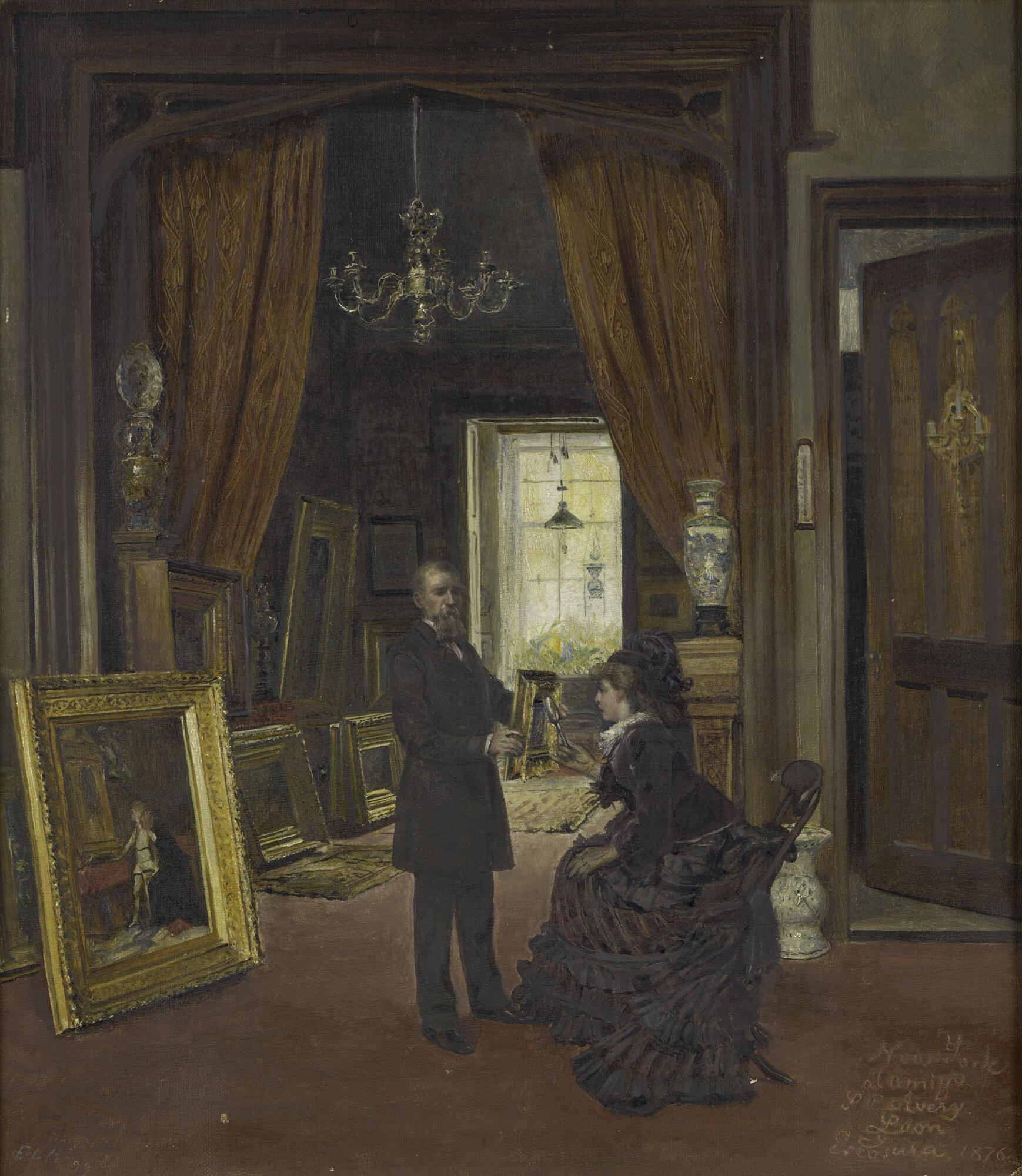
The Miriam and Ira D. Wallach Division of Art, Prints and Photographs: Print Collection, The New York Public Library.
Ignacio León y Escosura (Spanish, 1834-1901), Art Dealer Samuel Putnam Avery in His Gallery [seated figure is believed to be Mary Jane Morgan], 1876. Oil on canvas. Private collection
A House Filled with Art
One of New York City’s wealthiest women, Mary Jane began assembling her collection after the death of her husband, the shipping, iron and railroad industrialist, Charles Morgan (1795–1878). In just seven years, she filled her Madison Square brownstone with what she called her “treasures.” By the early 1880s, her home had become an exclusive destination. Invited guests attended “art receptions,” moving through rooms dense with paintings, decorative arts, and rare objects. To guide them, Morgan commissioned a small, portable catalogue: Mrs. Morgan’s Collection of Paintings, New-York, 1884.
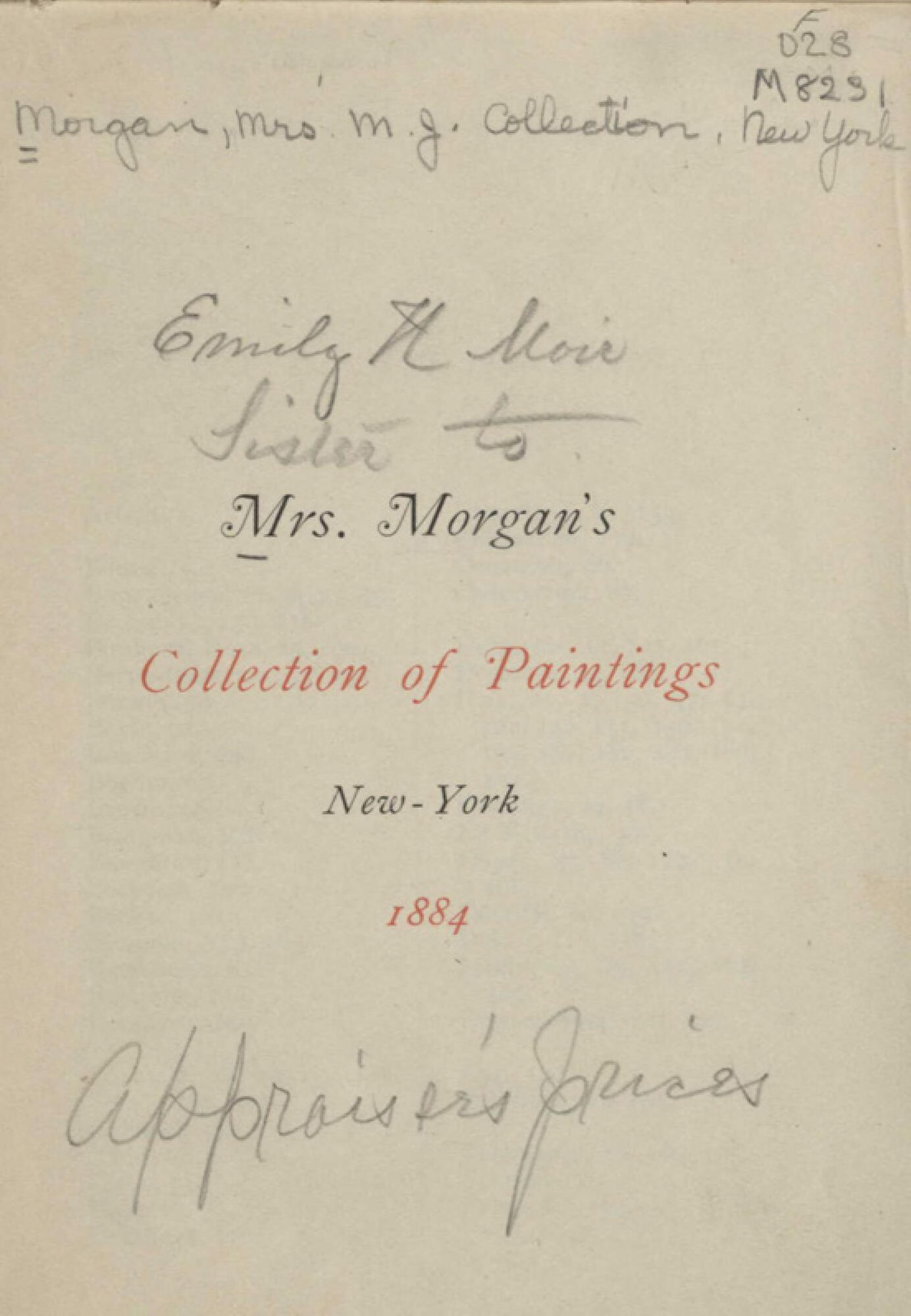
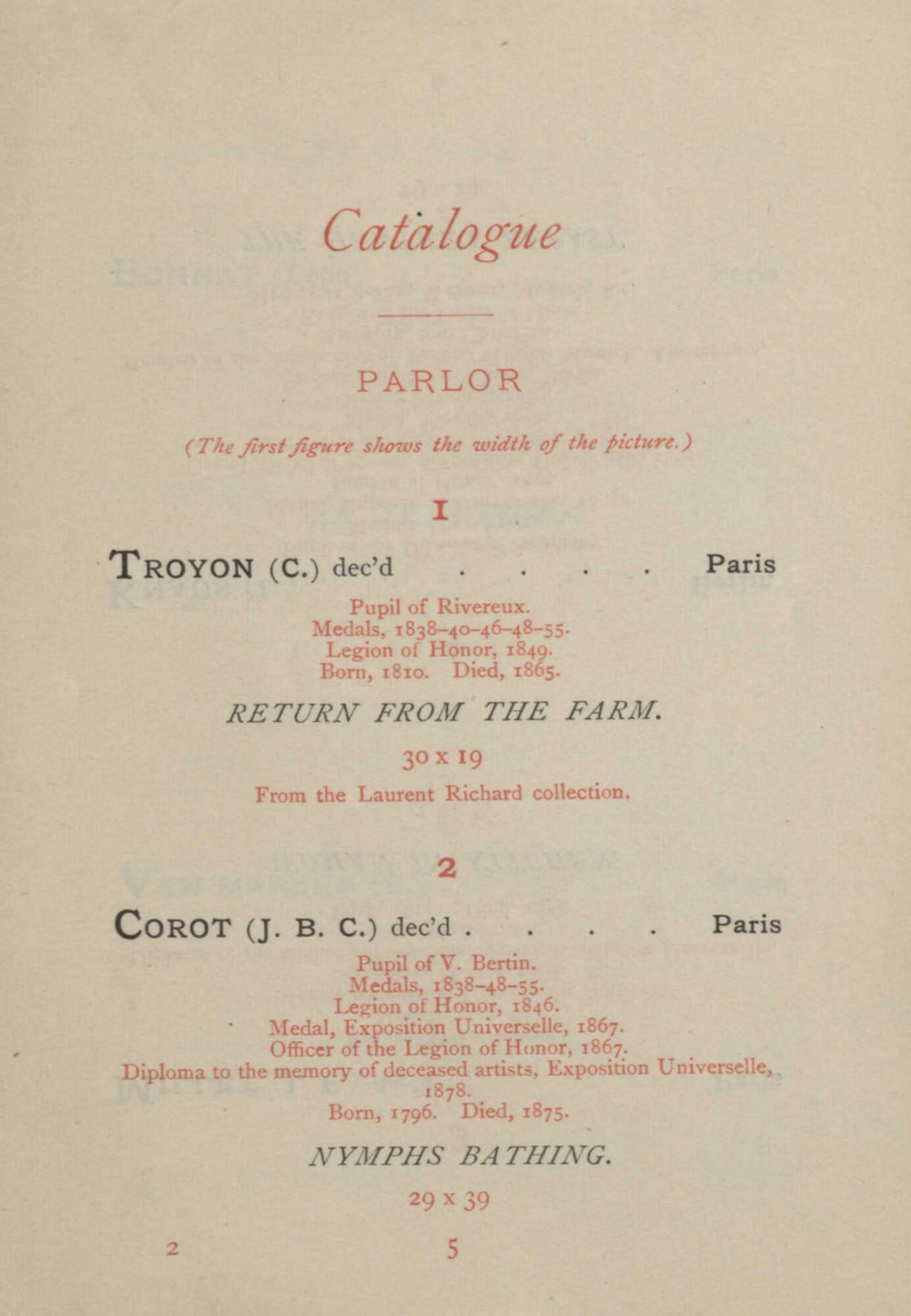
The catalogue was small enough to carry in your hand. It itemized more than 200 paintings and noted exactly where each hung in the house. It was more than an inventory—it mapped an experience. Visitors were meant to move through the collection in a deliberate sequence, encountering objects as Mary Jane intended. Isabella created similar guides to her Museum.
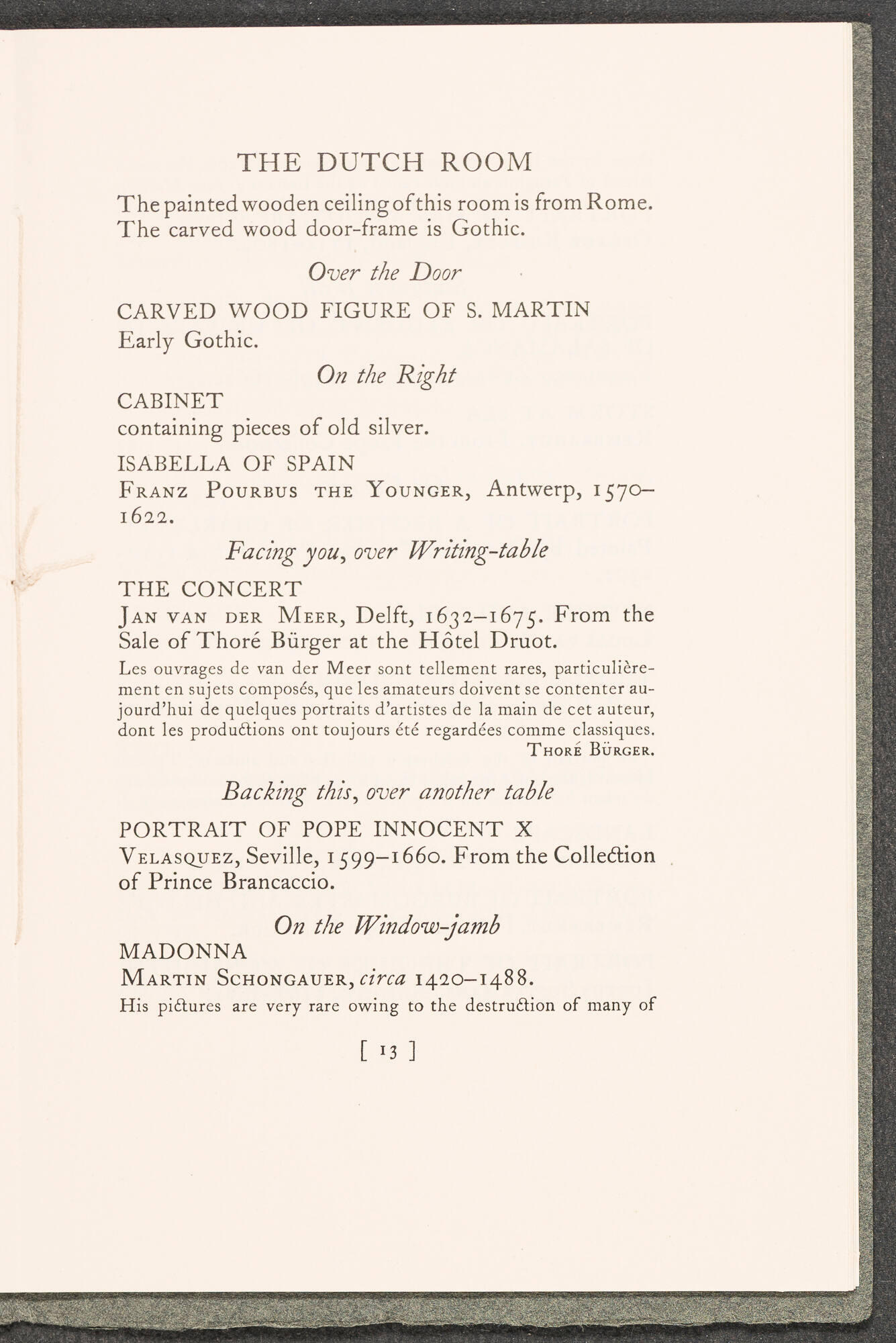
Isabella Stewart Stewart Gardner Museum, Boston (ARC.07894)
Isabella Stewart Gardner (American, 1840–1924, author), Catalogue of Fenway Court, page 13, about 1914
Although she was an avid record keeper, few of Mary Jane’s personal papers and collecting files survive today—a stark contrast to Isabella—which makes her paintings’ catalogue especially revealing. It shows a collector thinking not just about acquisition, but about arrangement, display, and audience. Her home—complete with a skylit gallery—functioned as something like a proto-museum, blurring the boundary between private residence and public space. Contemporaries noticed. Even before her death, some speculated that Morgan was building toward something larger—a museum in the making.
A Rembrandt in New York
One painting in Morgan’s home captured that ambition clearly. At the time of her death in 1885, a portrait attributed to Rembrandt—The Gilder, now known as Herman Doomer—hung in her Madison Square residence. The painting had been sent to her on approval by the dealer William Schaus, suggesting she was seriously considering its purchase. Today, Herman Doomer is recognized as the first uncontested Rembrandt painting to arrive in the United States; chosen by Schaus specifically for Mary Jane. Her temporary possession of the painting places her at a pivotal moment in the history of American art collecting. She was not only acquiring art—she was engaging directly with a painting that would help establish Rembrandt’s presence in this country.
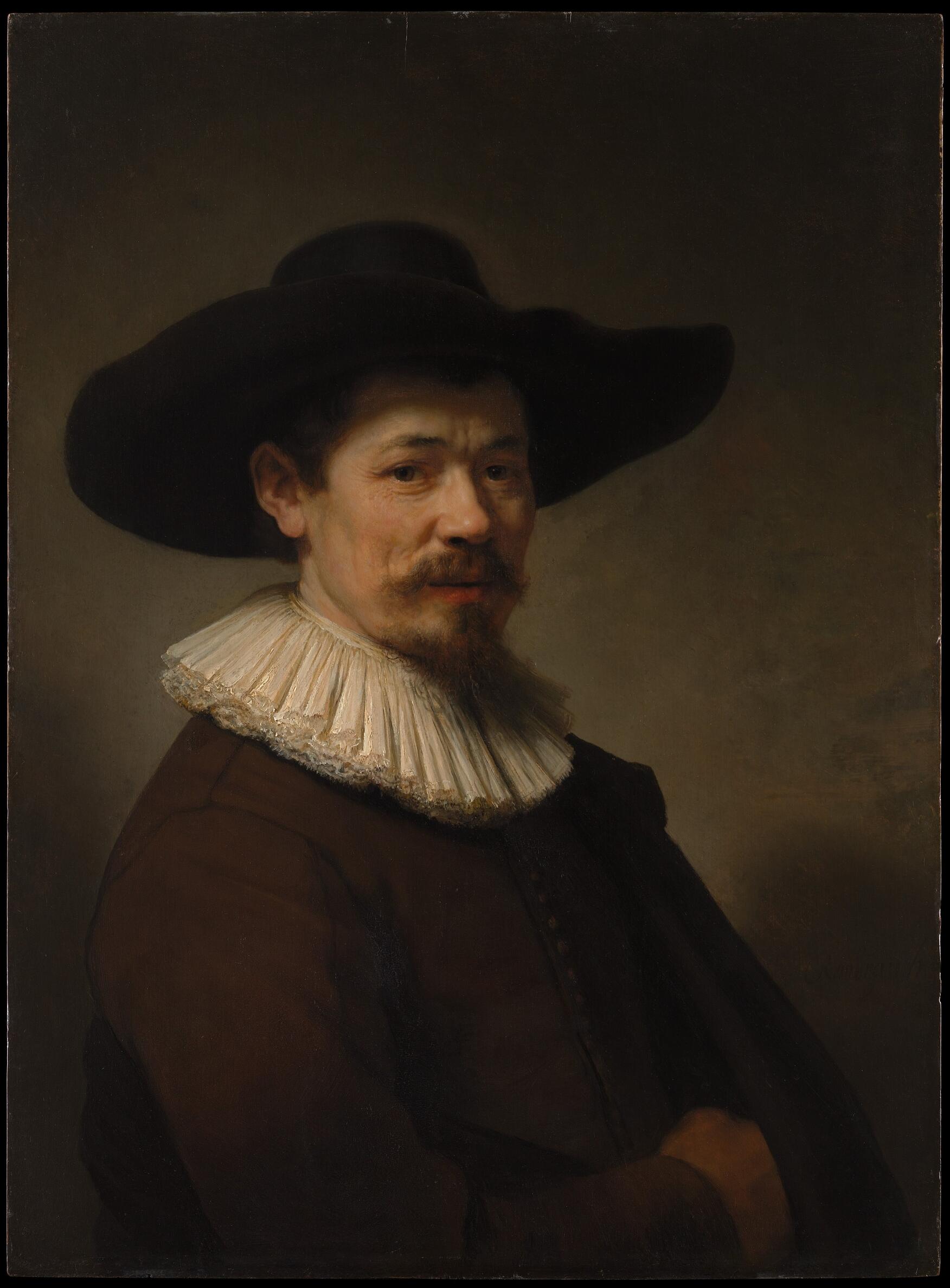
Metropolitan Museum of Art, New York (29.100.1)
Rembrandt van Rijn (Dutch, 1606–1669), Herman Doomer (about 1595–1650), 1640. Oil on wood, 29 5/8 x 21 3/4 in. (75.2 x 55.2 cm)
The purchase would have deepened an already significant interest: Mary Jane owned a substantial group of Rembrandt etchings, including multiple states and catalogues devoted to his work. In the wake of her death, the painting re-entered the market. In 1889, the sugar magnate Henry Osborne Havemeyer and his collecting partner, wife, and feminist, Louisine Waldron Elder Havemeyer, purchased it for a reported $80,000—an extraordinary sum at the time and comparable to $3.1 million in today's money. Morgan’s encounter with the painting belongs to a formative moment, when Rembrandt was becoming an aspirational standard for serious American collectors.
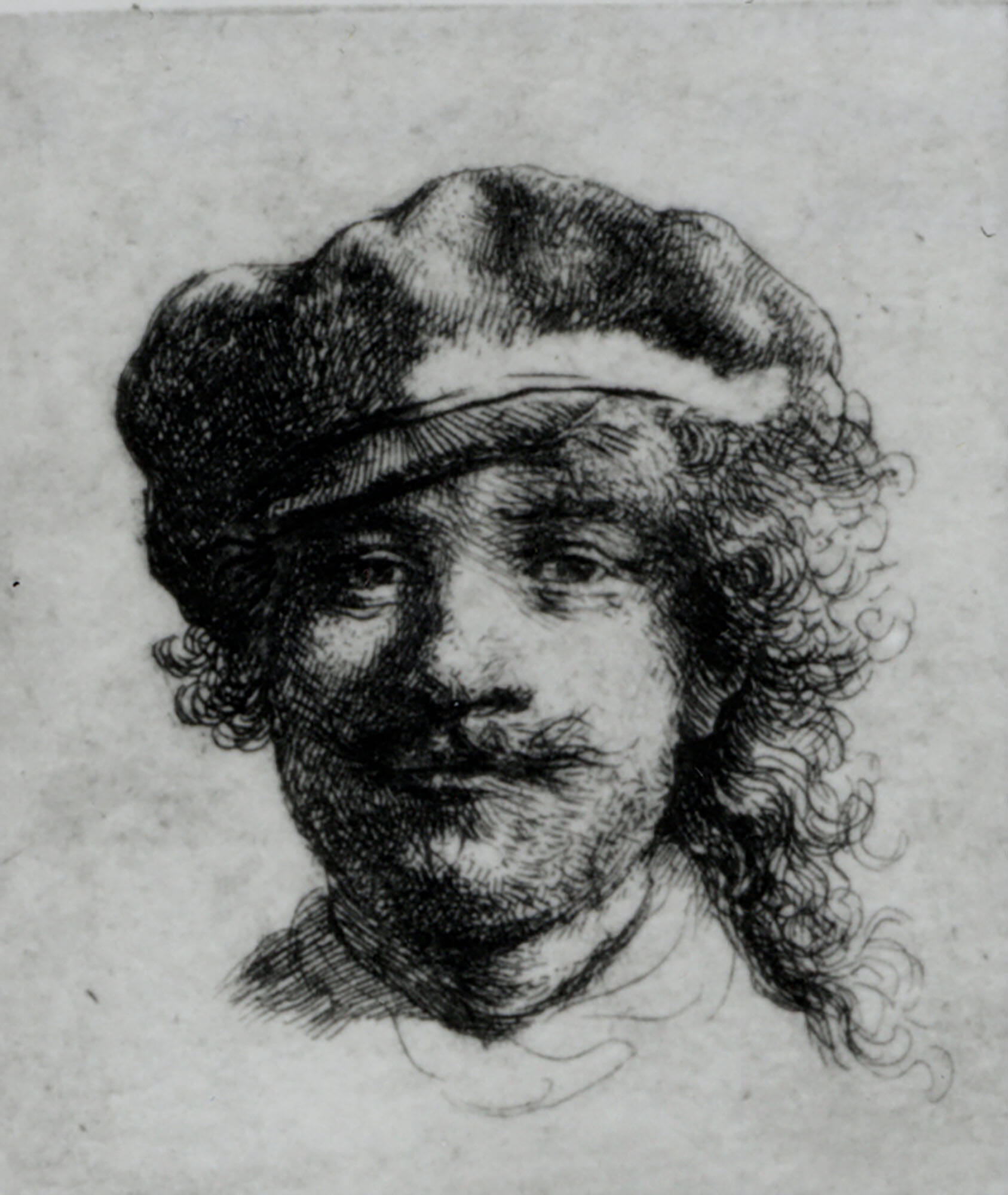
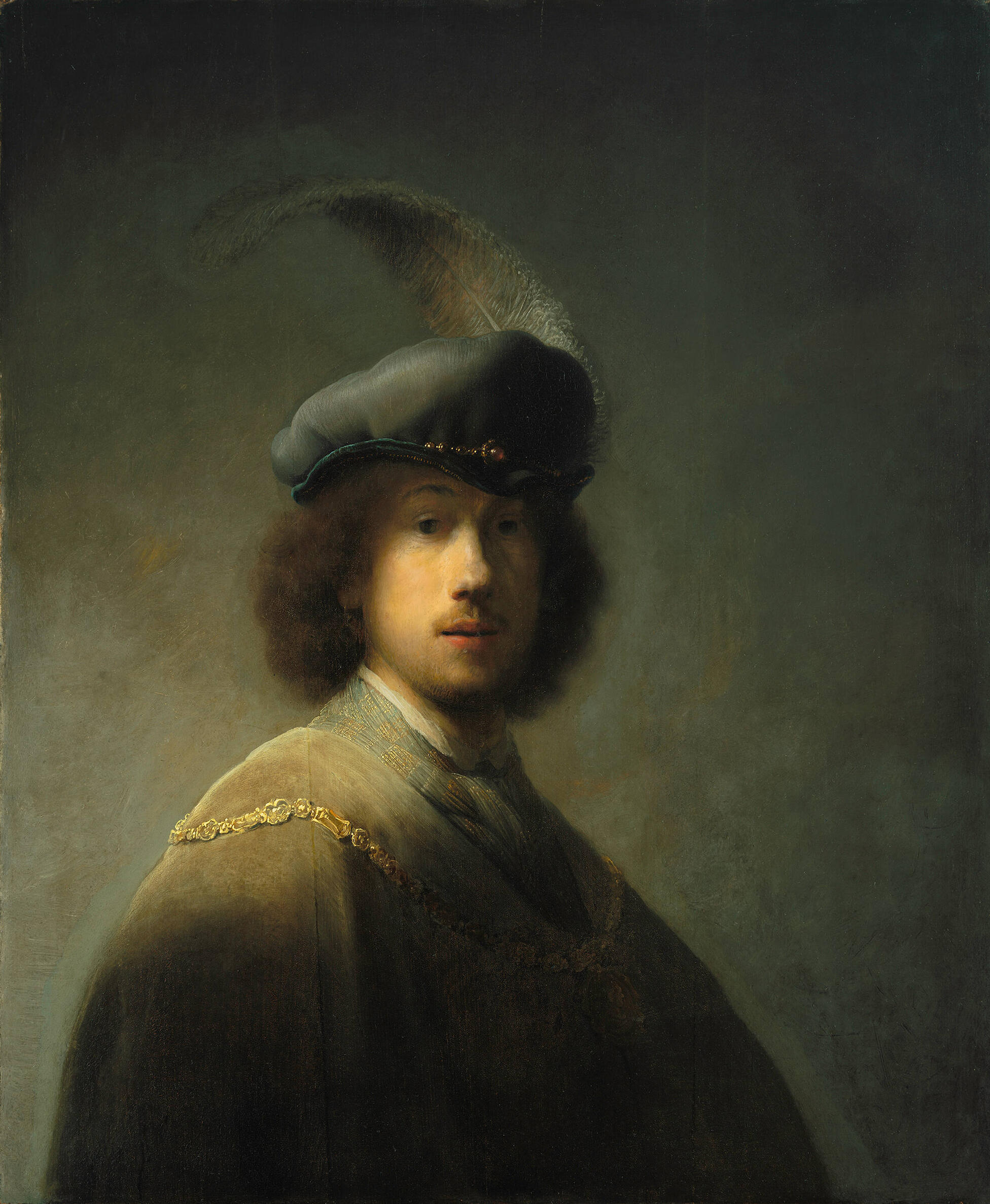
For Isabella, Rembrandt became a cornerstone of her collection taking pride of place in her Dutch Room. At Mary Jane' sale, Isabella acquired a small postage-size etching, a self-portrait now known as Portrait of the Artist as a Young Man. A decade later, in 1896, she purchased her first Rembrandt painting, Self-Portrait, Age 23, with the intention of creating a museum and anchoring her collection within a broader European tradition.
The Auction—and a Budding Collector
Morgan died suddenly in 1885 in Saratoga, bringing to an end any plans she had. Without a will, her estate was sold—home, furnishings, orchids, jewelry—and her art collection was auctioned off. Public interest was clear: thousands went to the previews, and newspapers in the US and Europe reported on the bidding daily. Isabella Stewart Gardner then entered the story. Isabella bought over forty auctioned items—prints, books, porcelain, and decorative arts. These pieces, once part of Mary Jane's carefully curated collection, found new meaning among Isabella's budding collection.
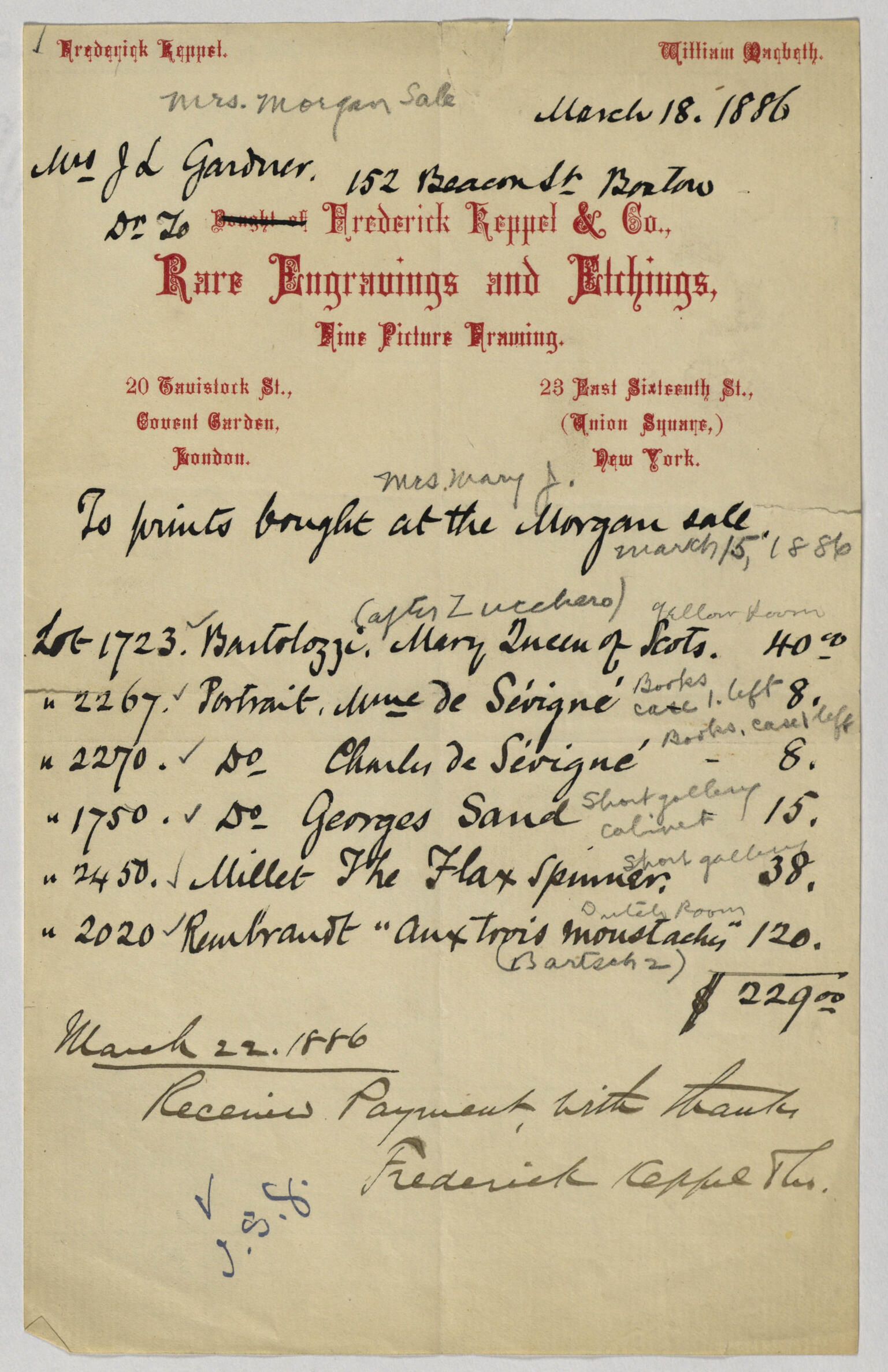
Isabella Stewart Gardner Museum, Boston (DF127.004)
Frederick Keppel & Co. (active New York, 1868-1940), Receipt for prints bought at the Mary Jane Morgan sale, 18 March 1886
In addition to the aforementioned Rembrandt self-portrait, Isabella purchased prints through the dealer Frederick Keppel that linked the two collectors through a shared respect for Rembrandt. Isabella acquired a print, The Flax Spinner by Jean-François Millet, whose vision was highly influenced by old master Dutch paintings. Further, she snatched up eighteen of Mary Jane's Sèvres porcelain plates, long—but less convincingly today—thought to have been once owned by Marie Antoinette.
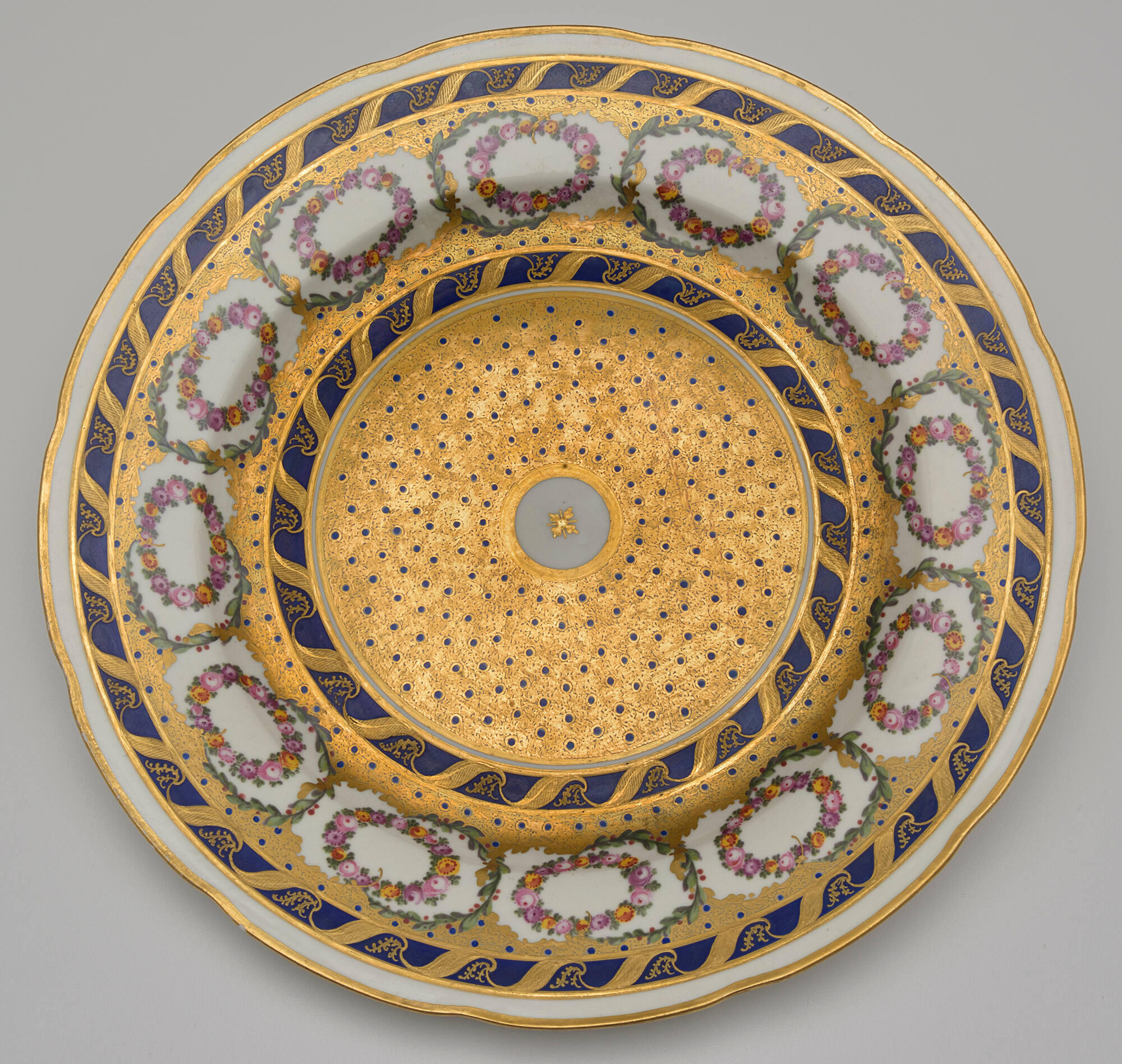
Isabella Stewart Gardner Museum, Boston (C1s16.1-18). See them in the Yellow Room.
Sèvres Porcelain Manufactory (active Sèvres, 1756–present), Set of Eighteen Plates, 1769. Soft-paste porcelain with blue ground underglaze, polychrome enamels, and gilding, diameter 24 cm (9 7/16 in.)
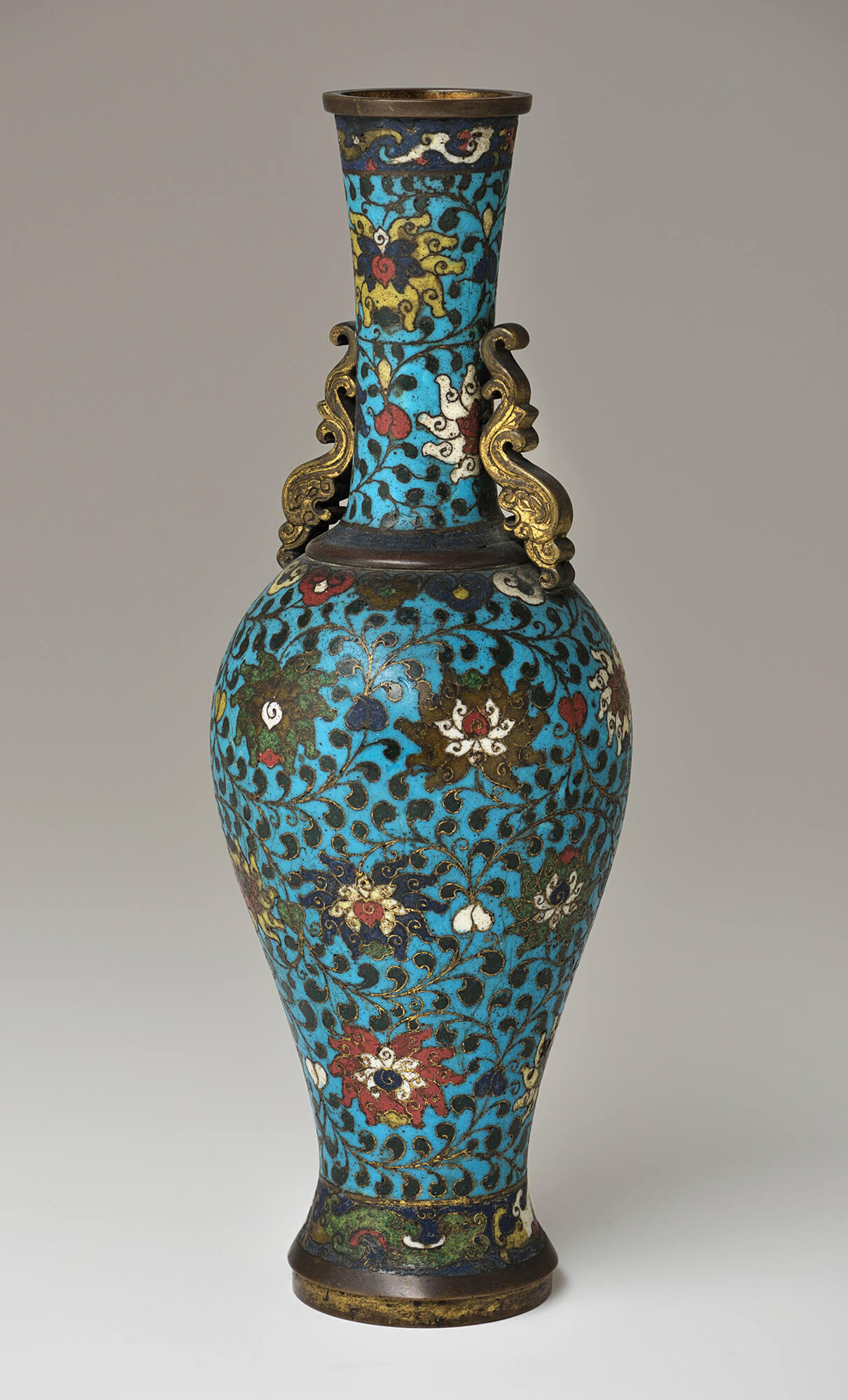
Isabella also secured jade carvings—Frog Figurine (Chinese, late 19th century); Swans (Chinese, about 1800); Horse (Chinese, about 1800)—and a Cloisonné enameled vase (M17e3) from Mary Jane's vast Asian art holdings. Isabella’s selections from Mary Jane’s sale reveal her striking range of interests.
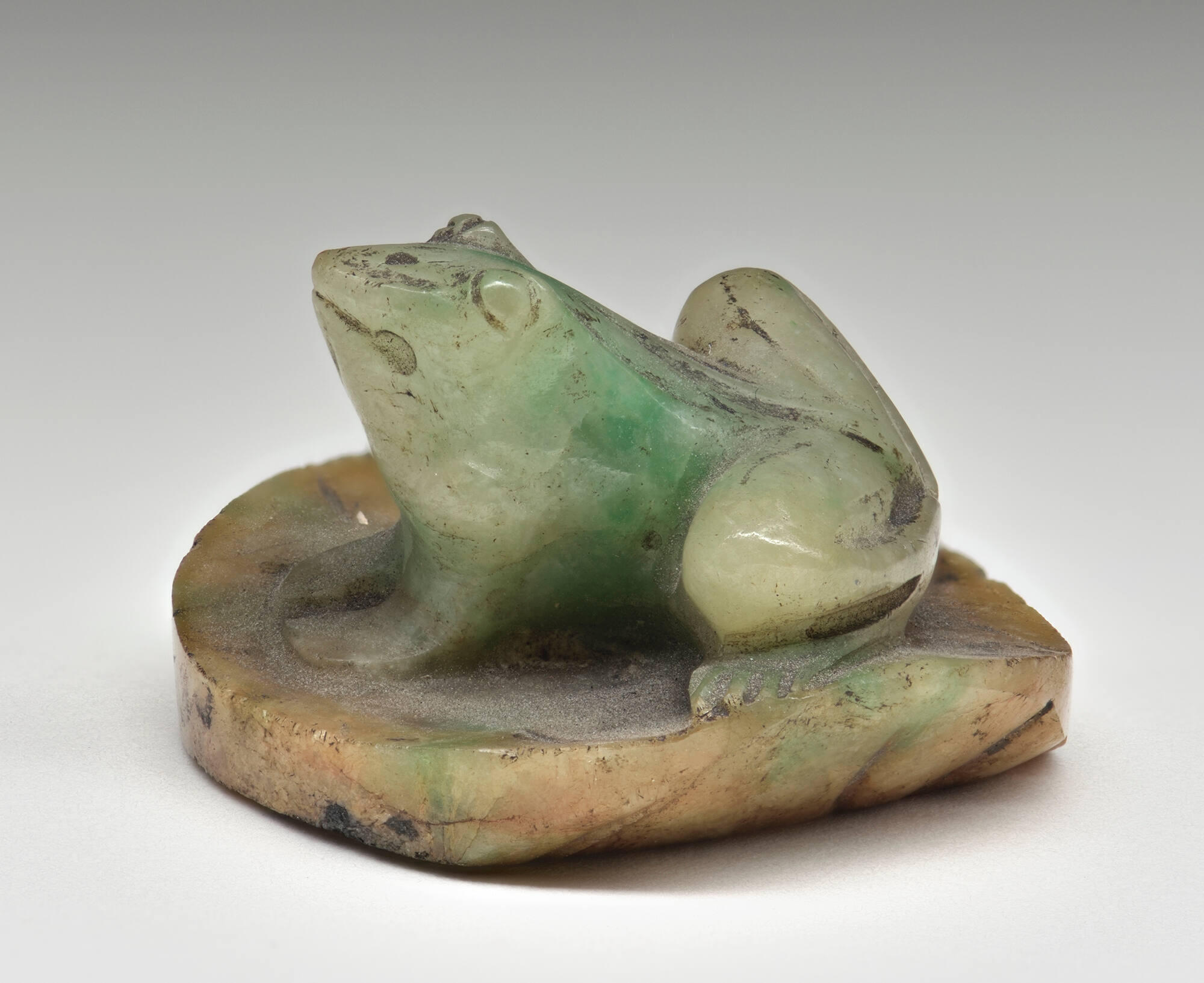
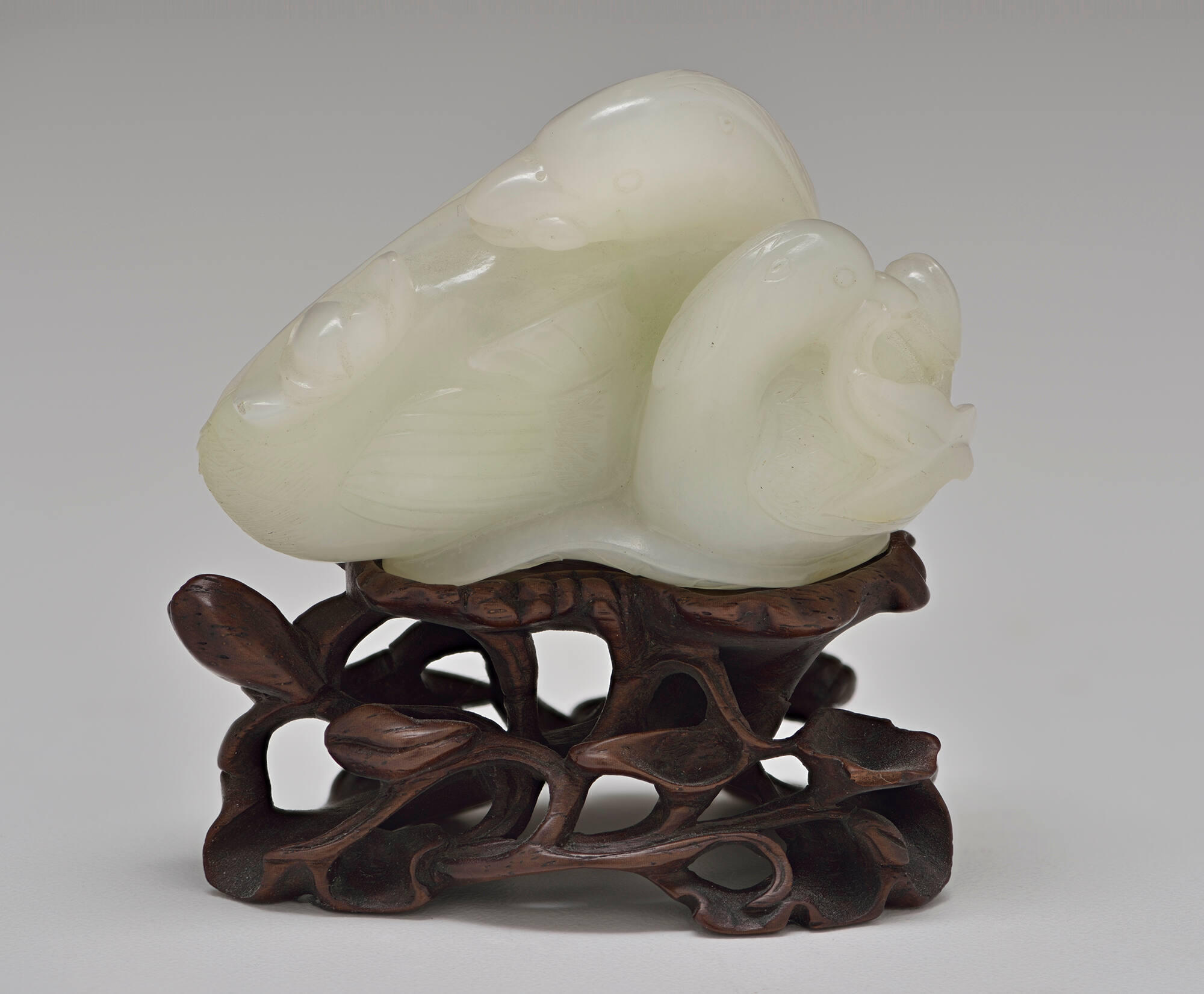
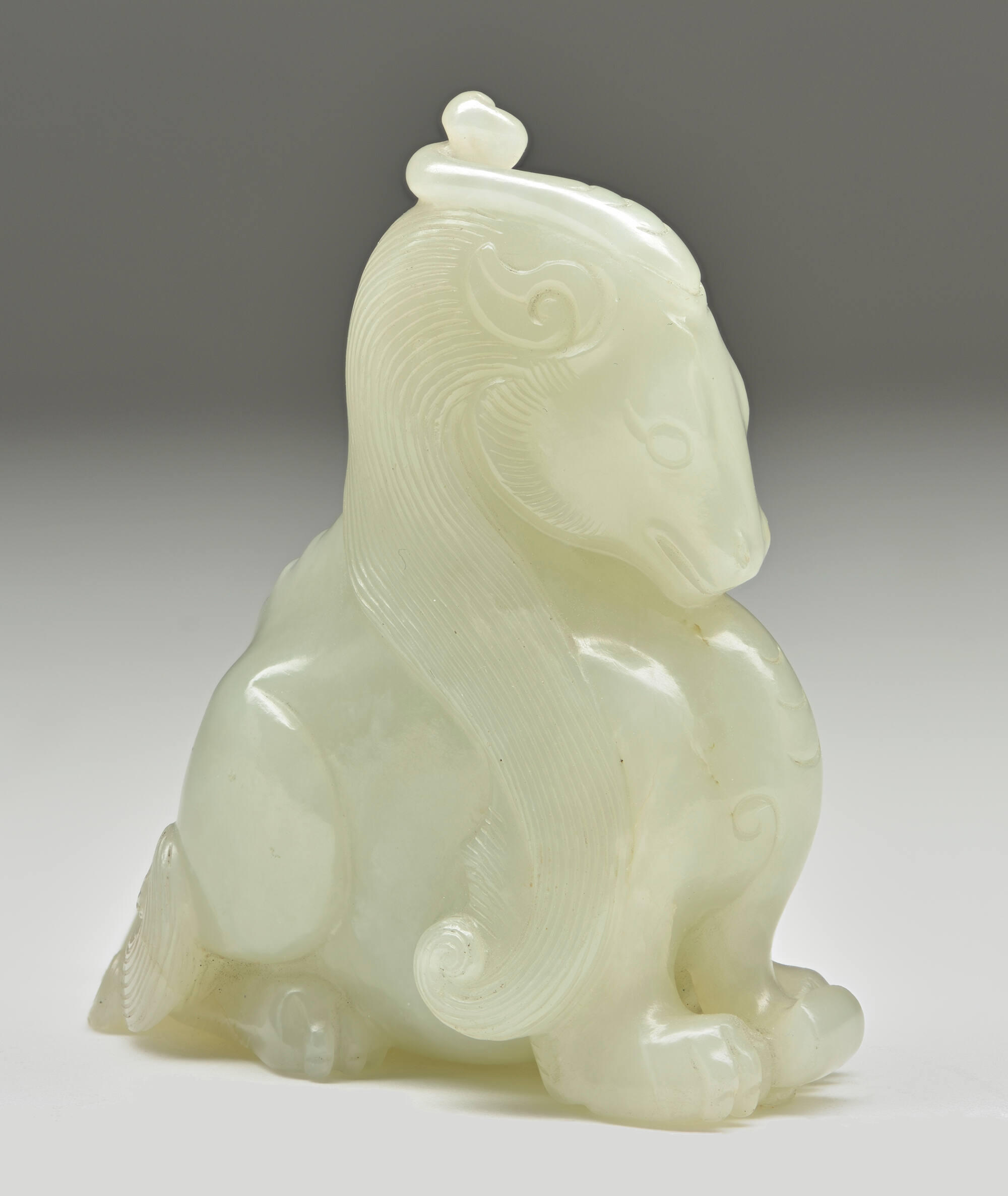
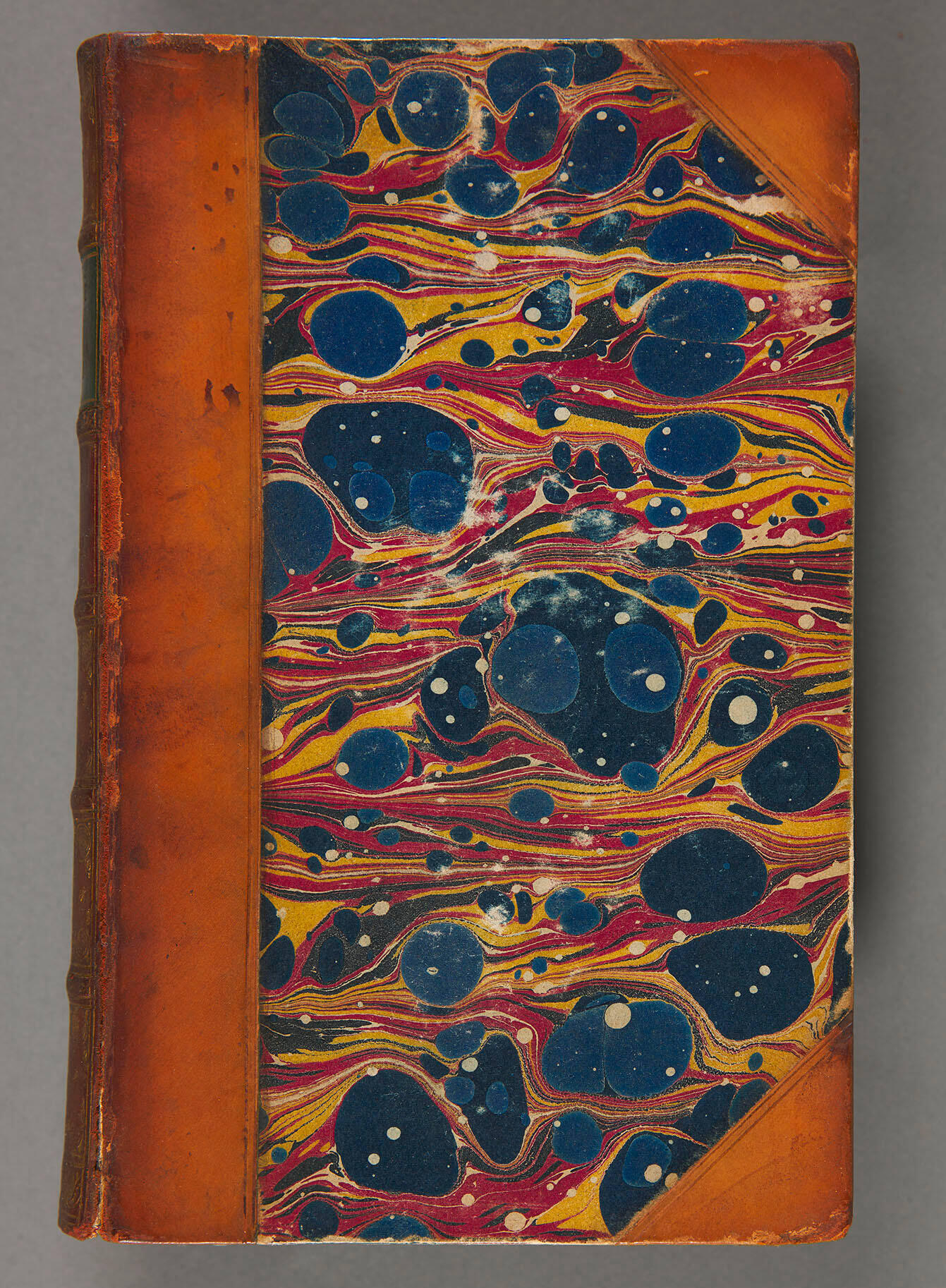
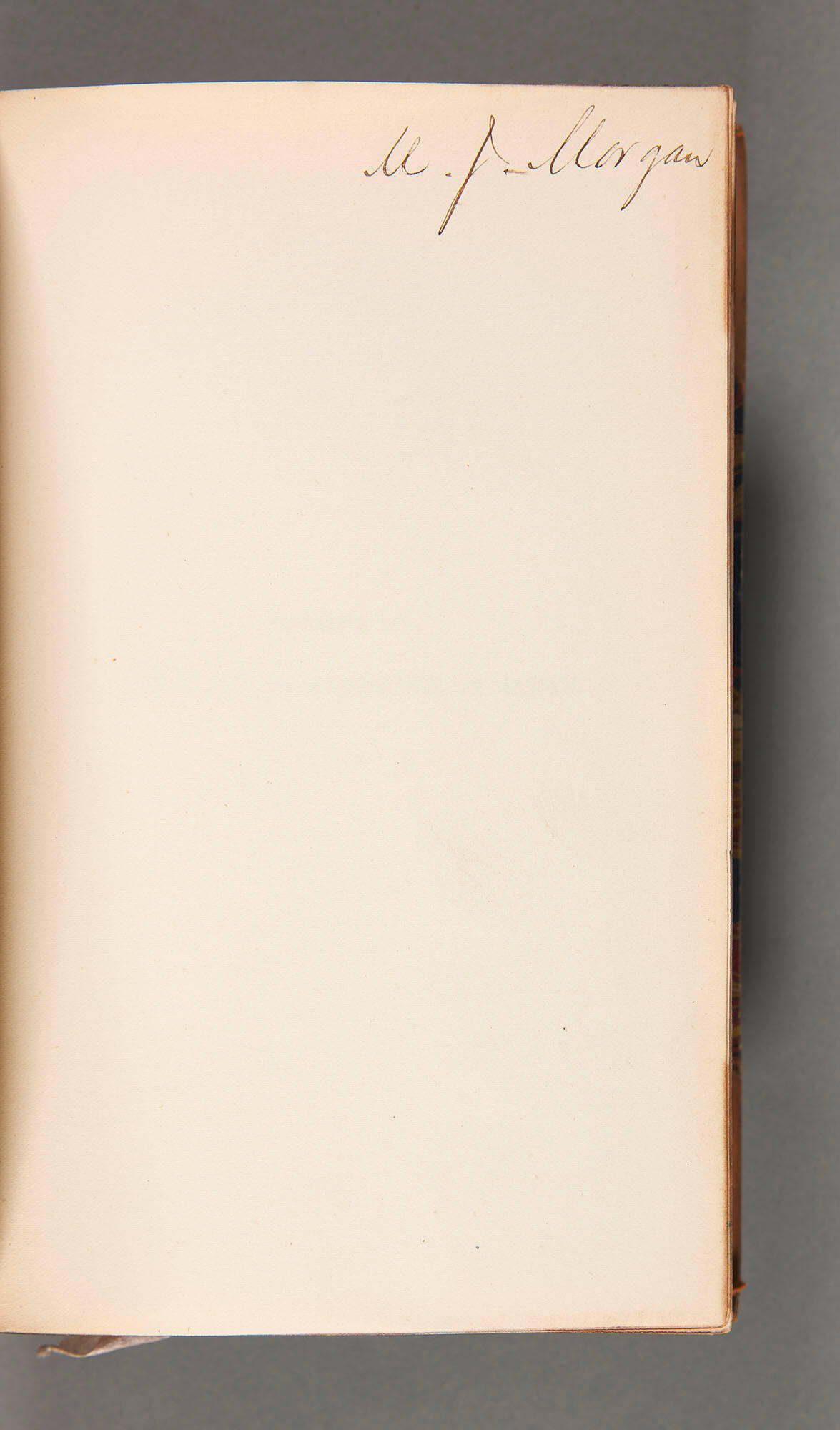
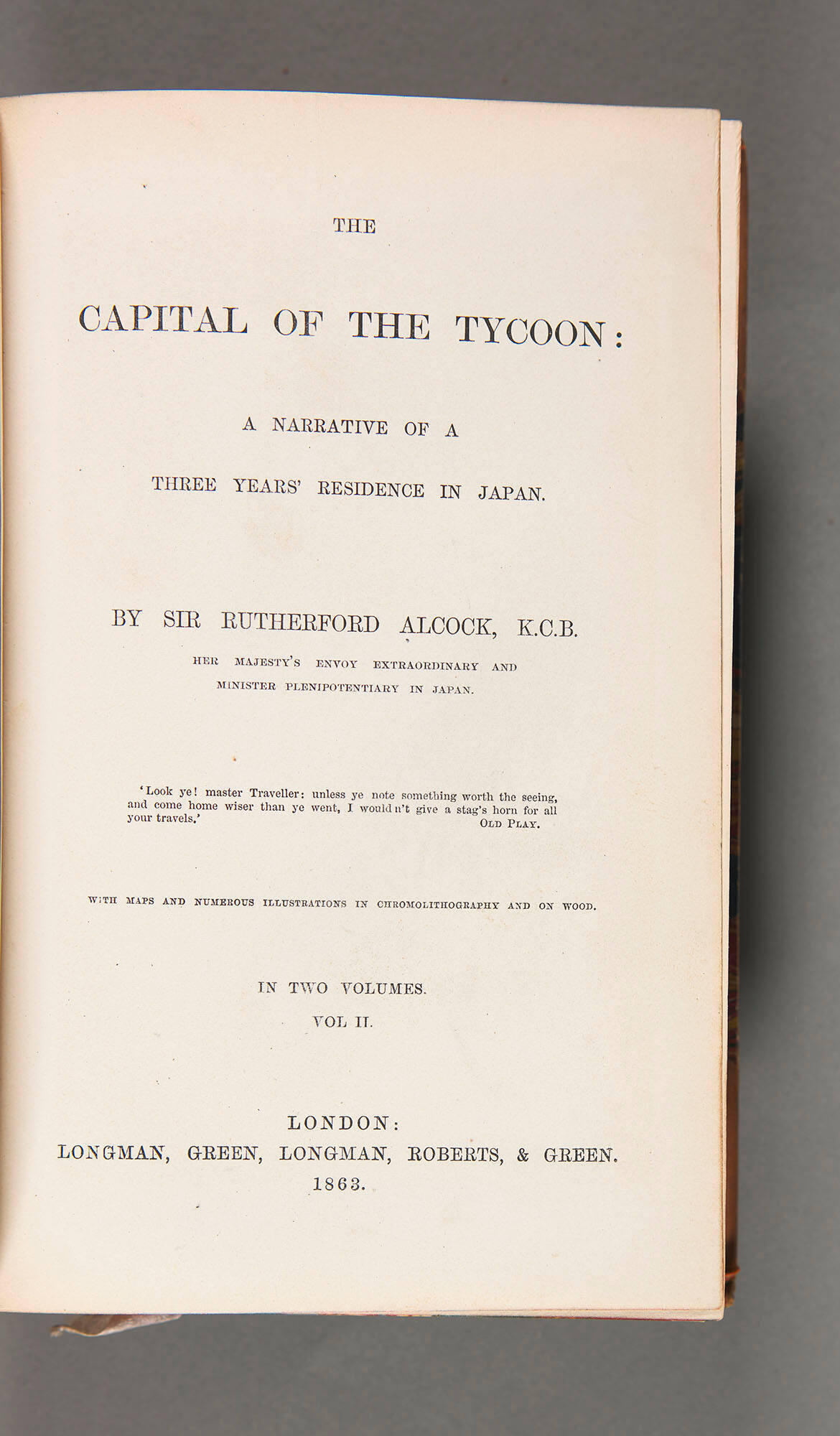
Isabella also bought some of Mary Jane’s books: notably, The Capital of the Tycoon (Volume 1 and Volume 2), a lavishly illustrated account of Japan, still bearing Mary Jane’s signature. Within Isabella’s collection, it served as both a source of information and a material link to Mary Jane's collecting legacy. These objects illustrate that Isabella saw Mary Jane’s collection as a field of possibilities—works to be selected, reinterpreted, and woven into her new vision.
A Collection Remembered
Mary Jane’s collection was dispersed in 1886. Isabella’s, though preserved in form, has been marked by loss. In 1990, thirteen works were stolen from the Isabella Stewart Gardner Museum, including the Rembrandt etching Isabella had purchased from Morgan’s sale. The objects have not been recovered. It also points to a larger truth: even collections intended to last “forever” are vulnerable to disruption, dispersal, and absence.
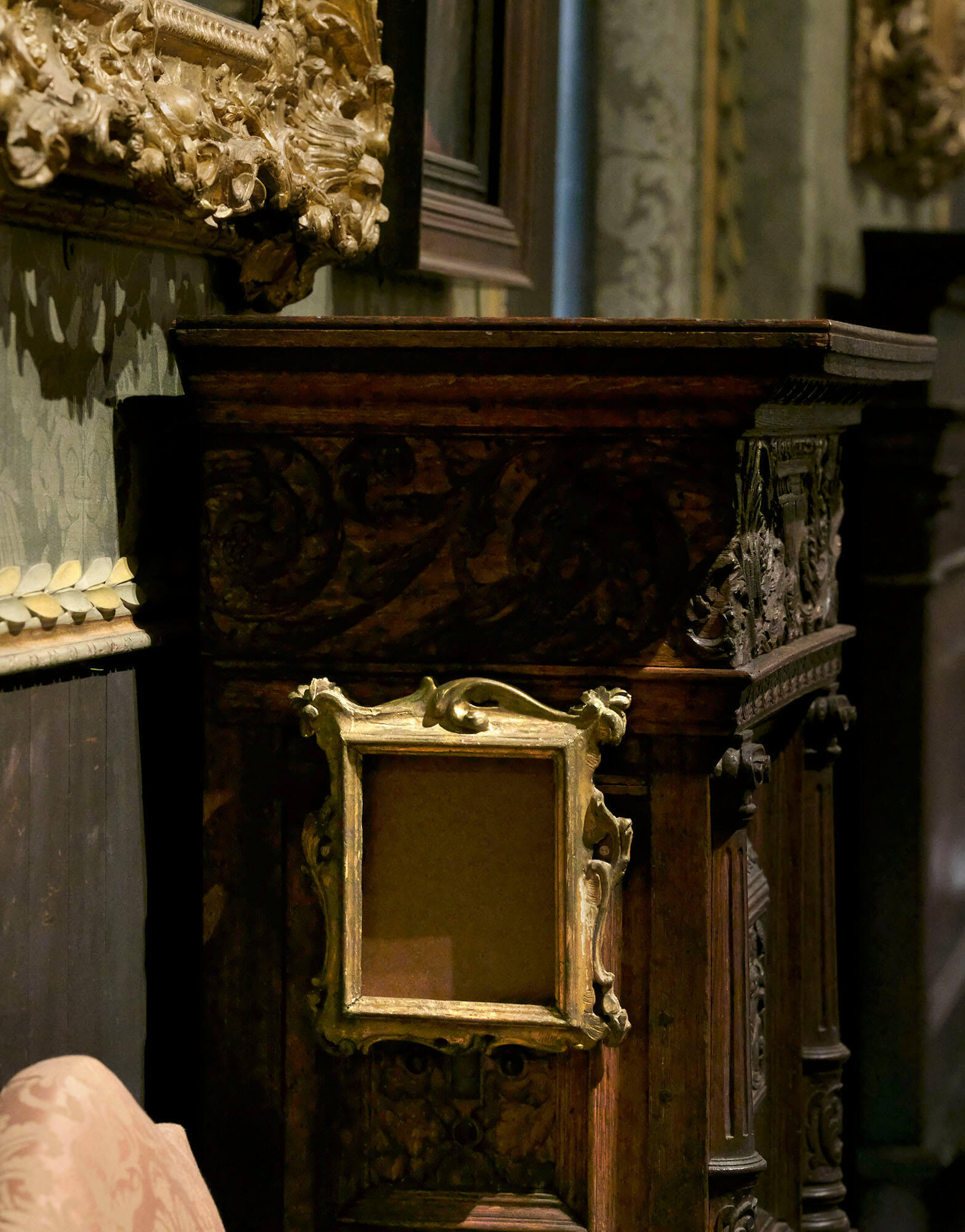
Isabella Stewart Gardner Museum
The empty frame in the Dutch Room that once held Rembrandt’s etching, Portrait of the Artist as a Young Man, stolen from the Museum in 1990
Seen together, Mary Jane’s and Isabella’s stories trace a shared trajectory—one that moves from ambition to realization, and from permanence back toward fragility. What remains are the objects themselves, and the histories they carry. A Rembrandt etching. A porcelain plate. A jade figurine. These works continue to move—between collections, between meanings, between lives. Through them, Mary Jane Morgan’s “treasures” endure, not as a single collection, but as part of a larger story—one that Isabella Stewart Gardner would bring, if only imperfectly, into lasting form.
Learn More About Mary Morgan with these Resources
Samantha Deutch, 2021, "Lost Intentions: Mary J. Morgan’s Art 'Treasures' " in What’s Mine Is Yours. Private Collectors and Public Patronage in the United States. Essays in Honor of Inge Reist, Center for the History of Collecting, Frick Art Reference Library, the CEEH, and the CSA; 2021.
One Hundred Years at the Library: Mary Jane Morgan's Collection of Paintings (5 min video with the author, Samantha Deutch, YouTube)
You May Also Like


