A Chorus of Stitches: Isabella Stewart Gardner’s Historic Lace Collection

Isabella Stewart Gardner once paid the modern equivalent of $114,500 for a single lace flounce. Historian and lacemaker Elena Kanagy-Loux explores what Isabella’s collection reveals about the booming lace market in the 1800s and the extraordinary skill and labor of the women and girls behind the craft.
share this:

If each piece of lace contains the voices of its makers, then Isabella Stewart Gardner assembled these voices into a choir. 

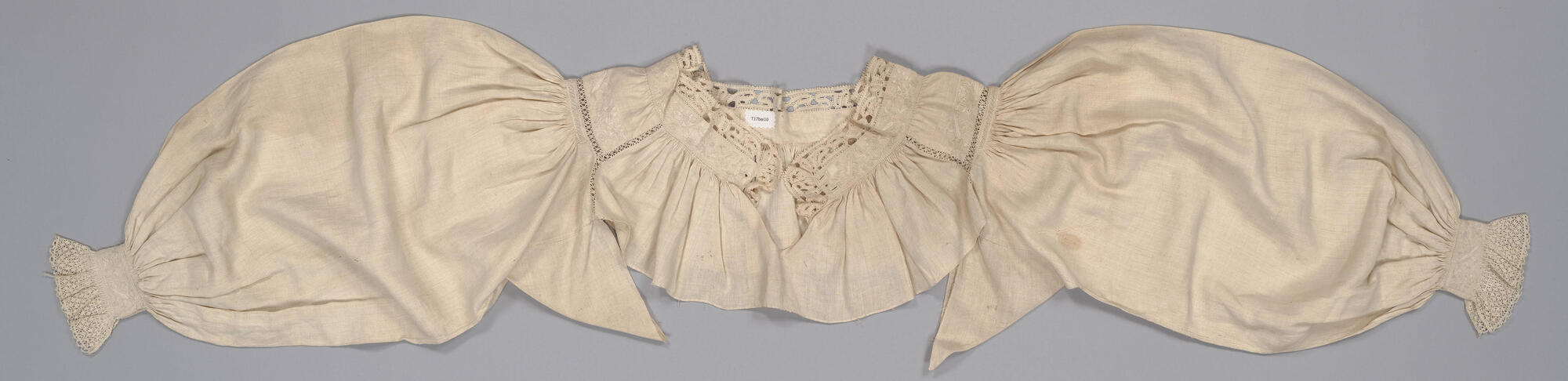
In January 2026, I visited her eponymous museum, long one of my favorite places, to consult on their lace collection. Perusing endless archival boxes of lace treasures, I felt as if I had double vision: looking through Isabella’s eyes and seeing the contours of her taste, and through the eyes of the makers who labored over their minute stitches. This duality is how I approach my research, both as a lacemaker and as a scholar of history. Standing over a 17th-century Italian chemise fragment owned by Isabella, my breath caught at the possibility that the voluminous sleeves had once enclosed her limbs. 

It was as if I was standing in her very presence. Although wearing historical garments goes against modern conservation ethics, in Isabella’s day, no one raised an eyebrow at wearing or even remaking old laces. As a collector, Isabella didn’t acquire objects simply to tick them off a checklist; she lived and breathed with them. I wondered, if Isabella’s collection was a choir, how did she select its members? And what can their voices tell us?

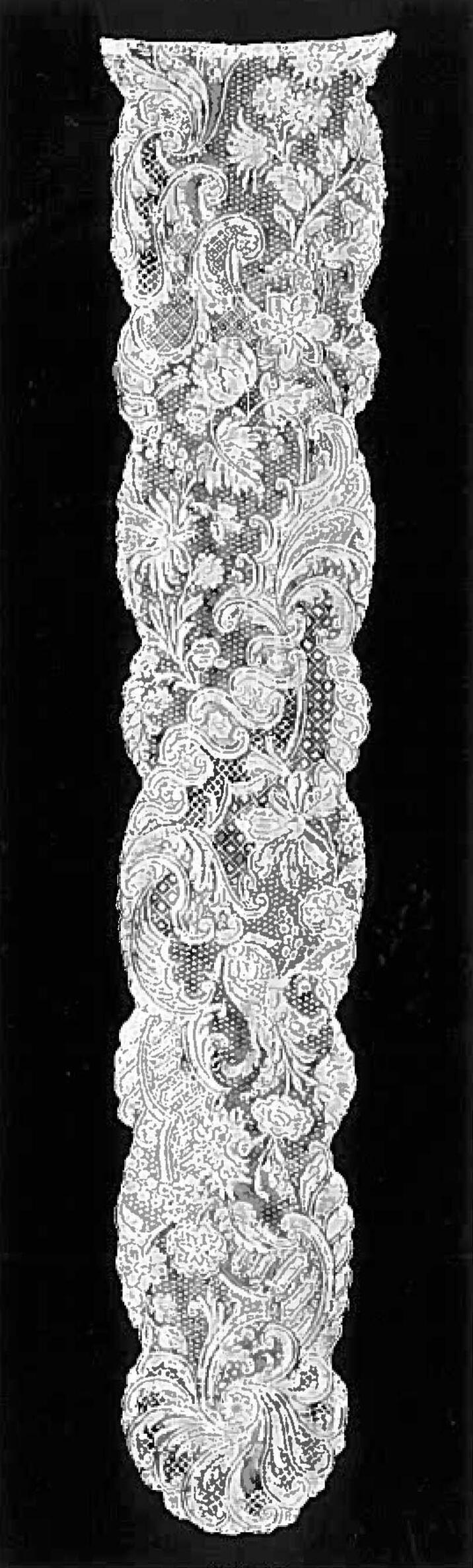
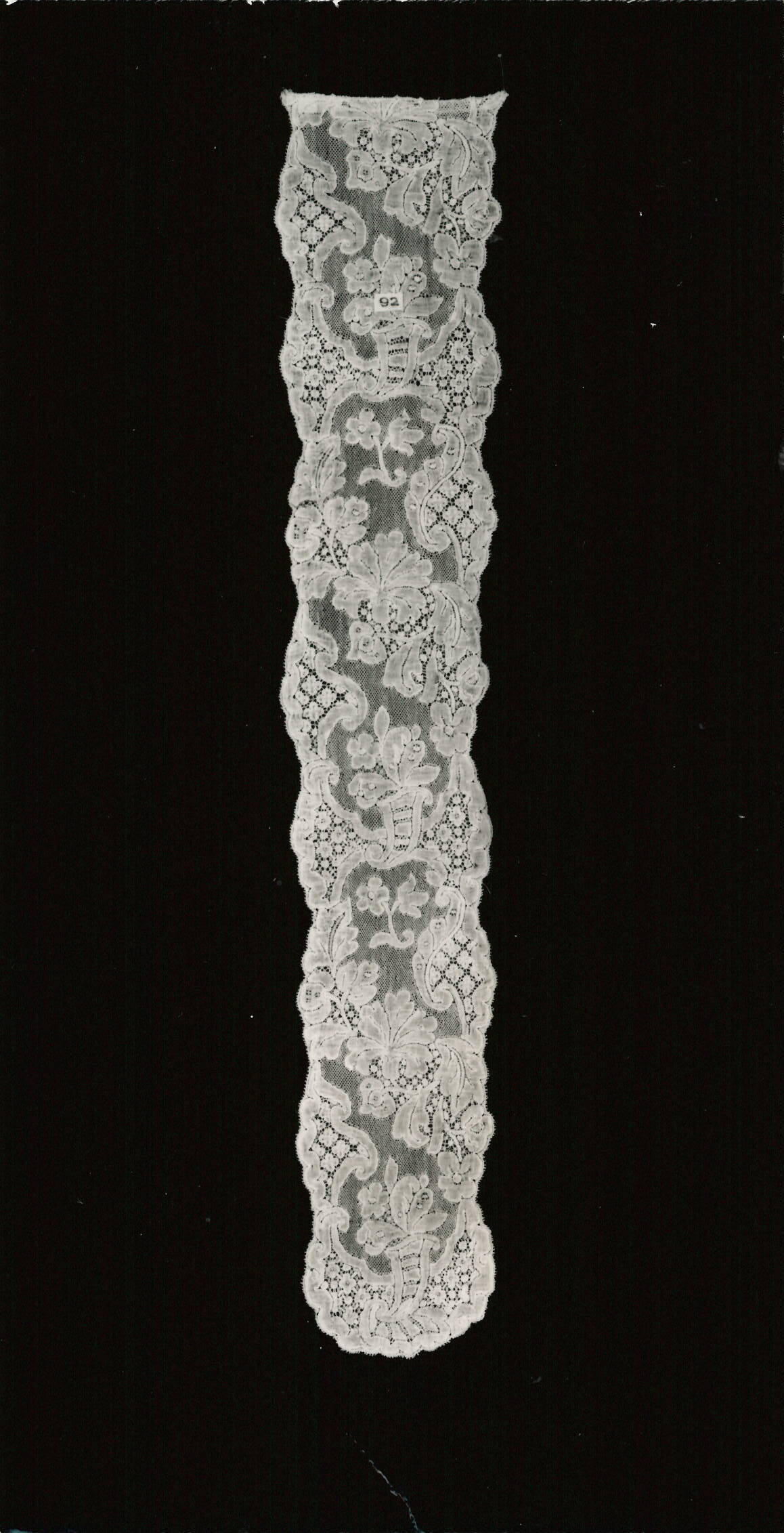
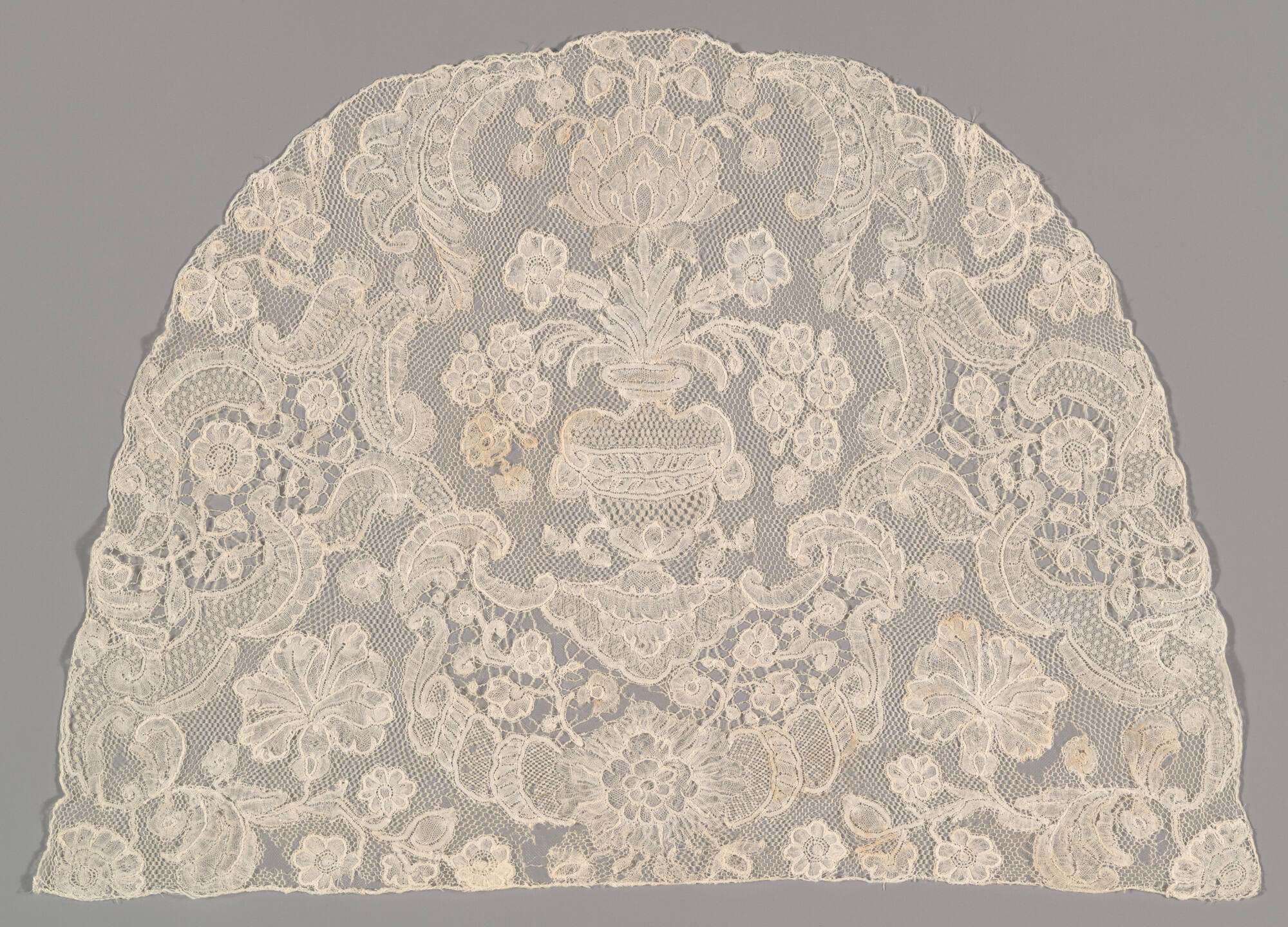
Given her penchant for Venice, it’s no surprise that Isabella was drawn to needle and bobbin lace, two techniques which developed in the region in the early 16th century. Bobbin lace evolved out of complex braiding techniques, and is made by winding threads around bobbins, crossing and twisting them in patterns, and securing them with pins. Thanks in part to the new availability of printed lace pattern books like Le Pompe, which was published in Venice, the technique spread rapidly across the continent and beyond. Arguably, bobbin lace reached its pinnacle in 18th-century Belgium with techniques such as Binche and Mechlin: gossamer webs that required as many as eight hundred bobbins for a four-inch-wide strip. A single pair of cuffs in these styles could take a lacemaker ten months while working fifteen-hour days.1

Also popularized in Belgium was Point d’Angleterre—an equally delicate lace wherein each motif was worked individually and then assembled into a larger design—enabled numerous hands to work together to meet deadlines more quickly. 

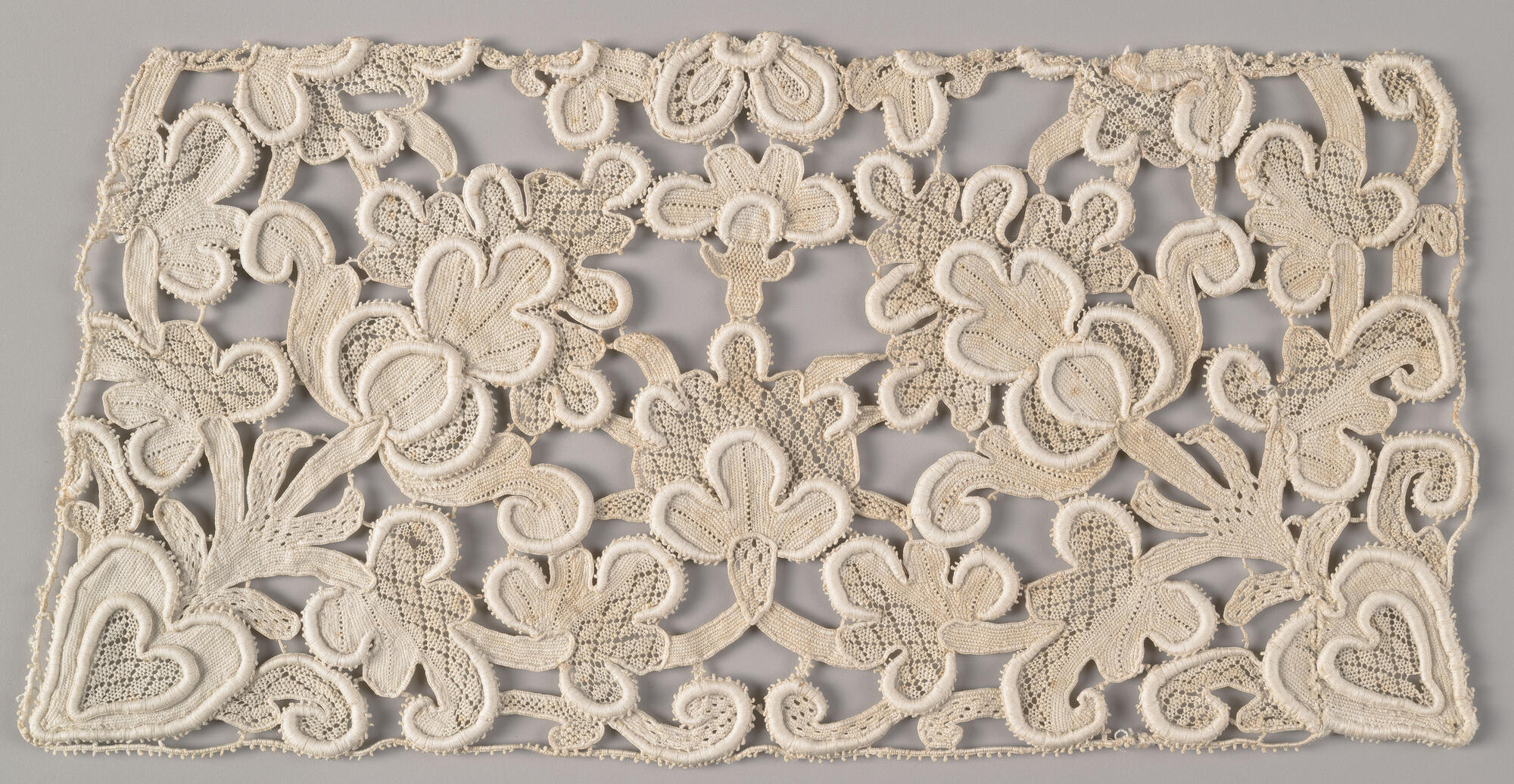
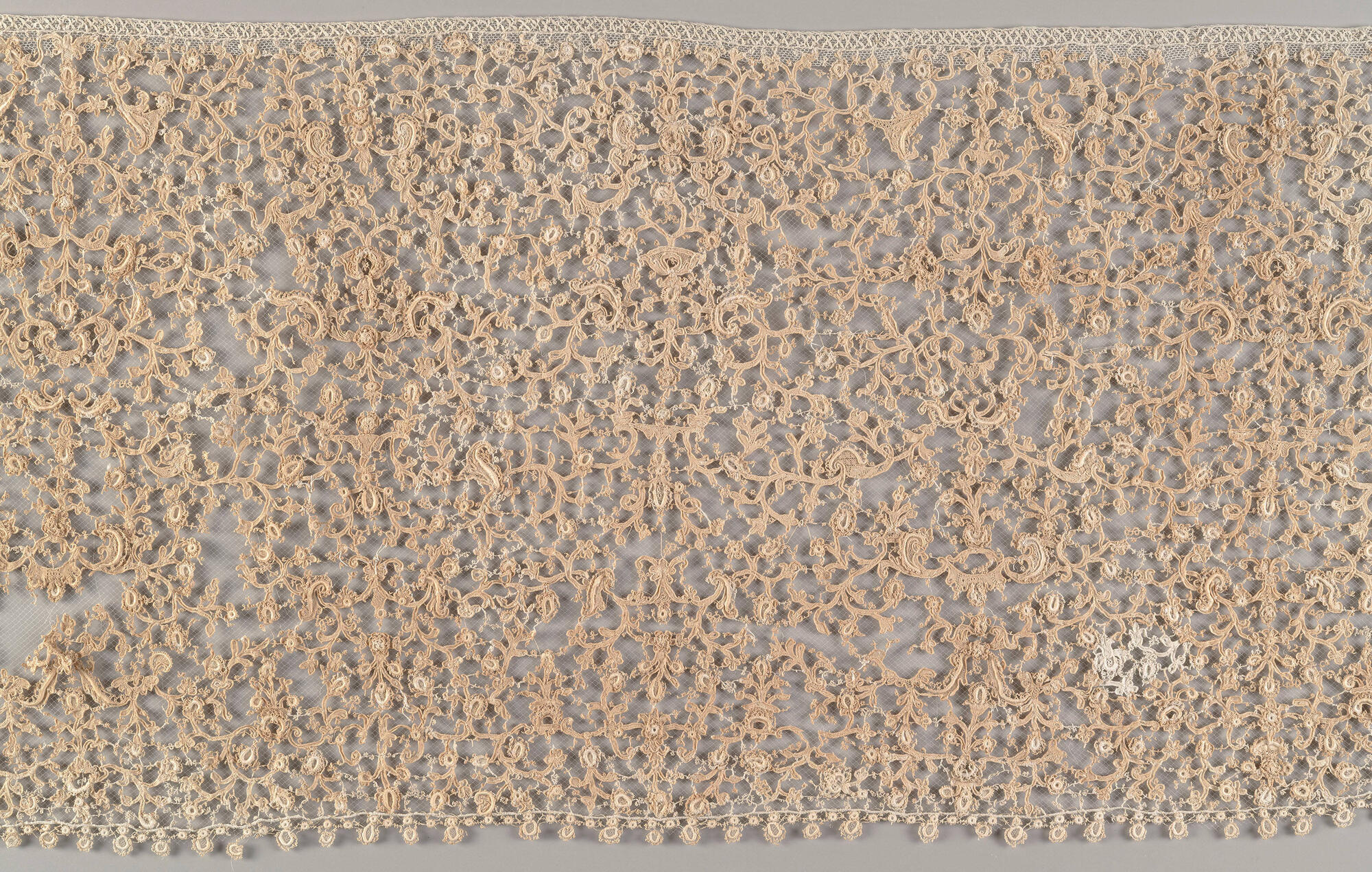
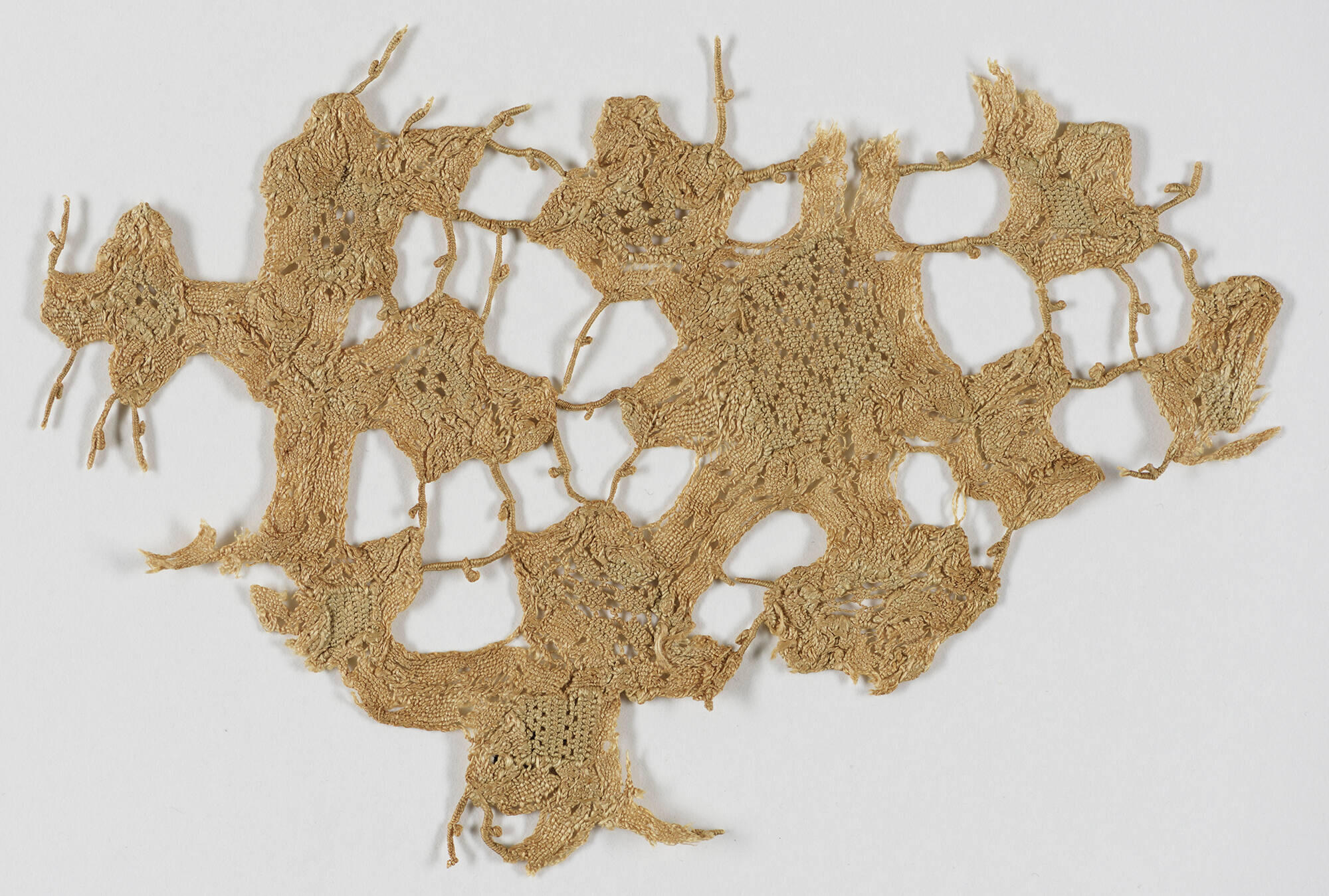
In contrast, needle lace developed out of cutwork embroidery, where areas of linen were cut from the fabric, and buttonhole stitches were worked into the voided areas. Eventually, the base fabric was done away with entirely, and thousands of stitches were worked into couched outline threads without piercing the pattern paper, hence the name punto in aria or stitches in air. Needle lace reached its apex with the 17th-century technique gros point de Venise, a three-dimensional Baroque lace that contained up to 6,000 stitches per square inch.2
 

Produced in convents by lacemakers who labored for up to a year for one arm’s length of lace, gros point de Venise was wildly popular with 19th-century collectors, having lost none of its original value.3 Comparing Venetian needle lace to “a fine old Rembrandt,” in 1918 The New York Times reported that a single flounce was priced at $1,000 per yard—if you could get your hands on it.4

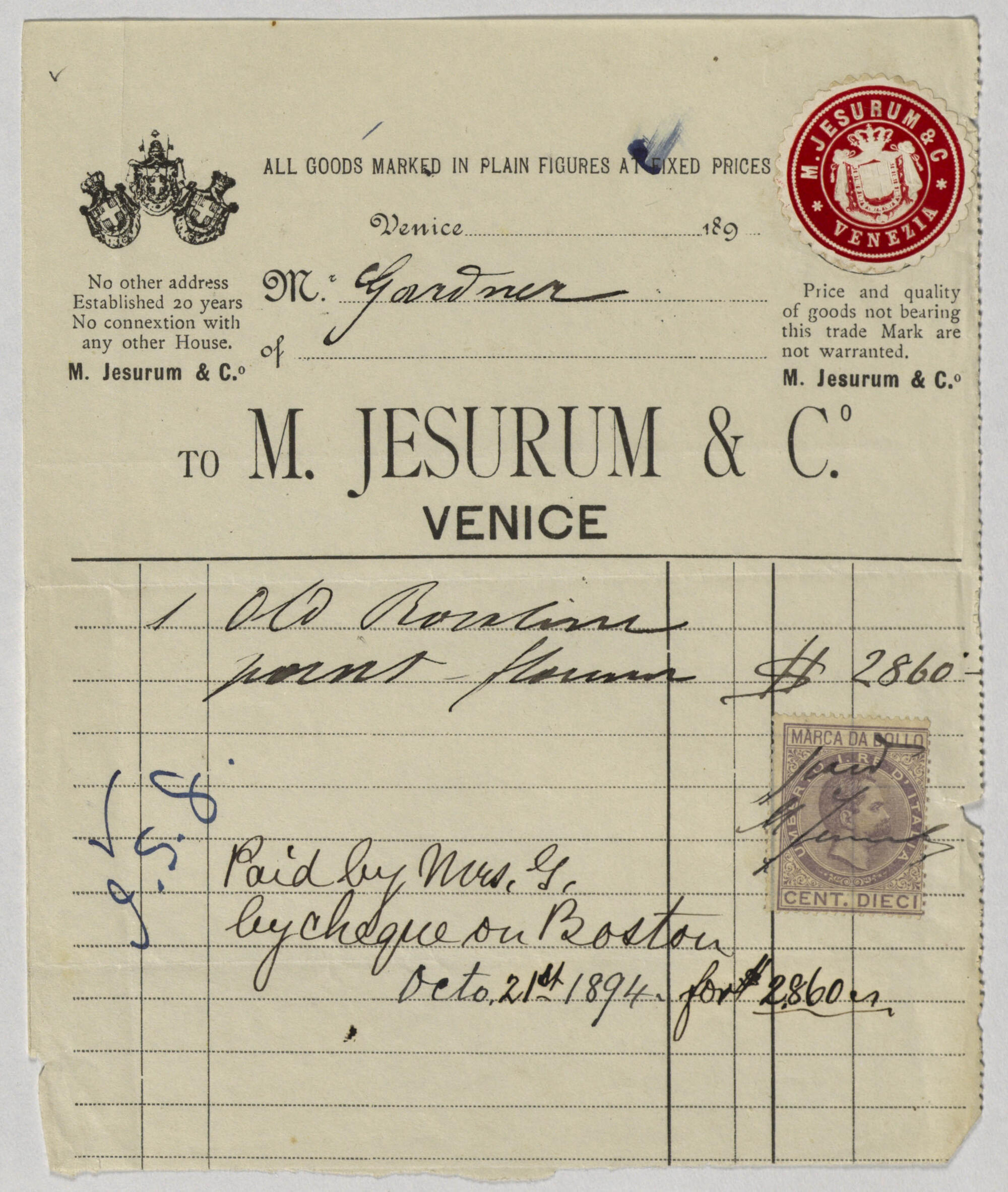
Isabella had the means to acquire rare historic laces. In 1884, she noted in her travel diary that despite his inflexible pricing, Michelangelo Jesurum of Venice was “the only place for really good lace.”5 Recognizing its value, Gardner did not hesitate to pay handsomely for lace treasures, spending $2,860 (about $114,500 today) on a single needle lace flounce in 1894.
 

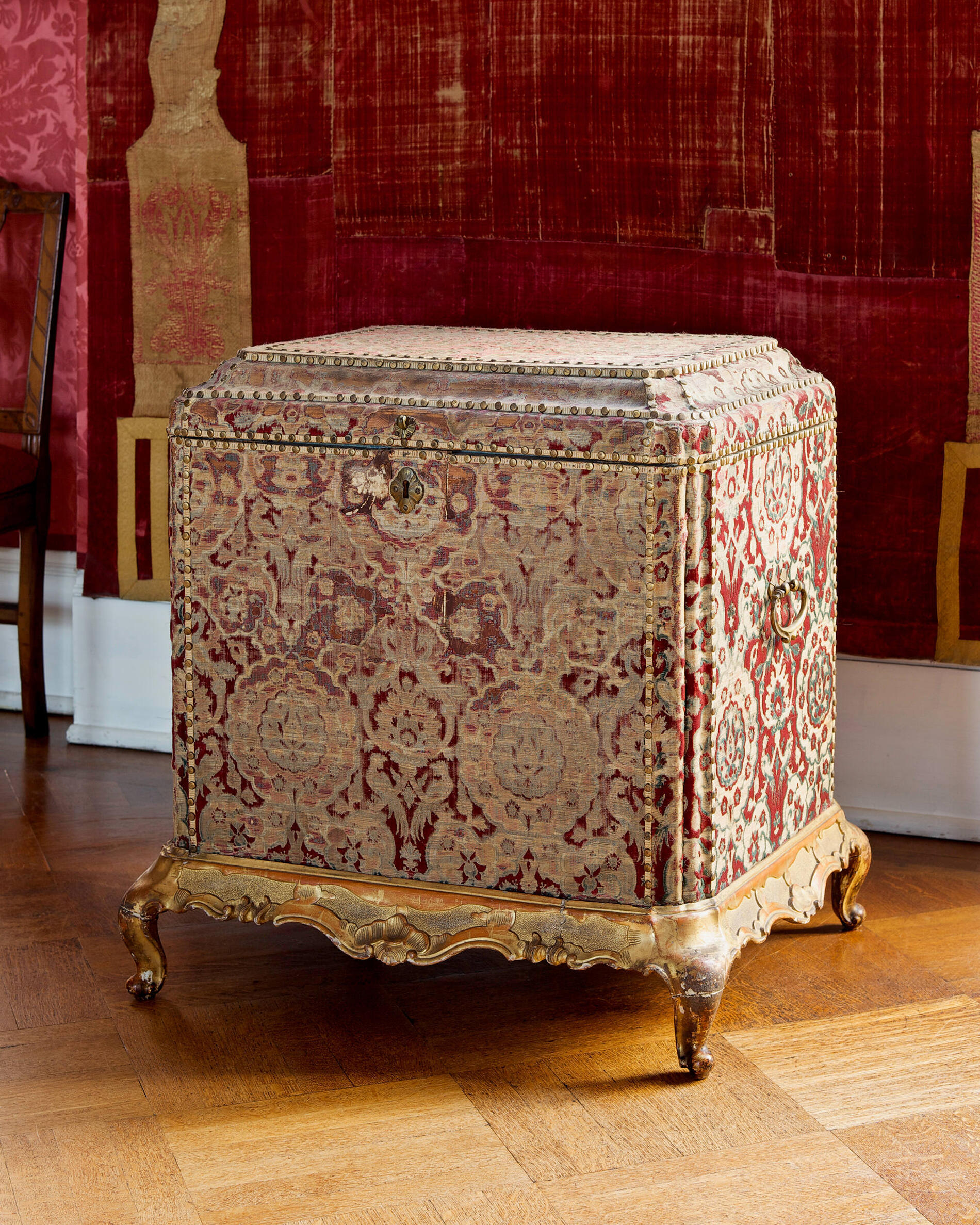
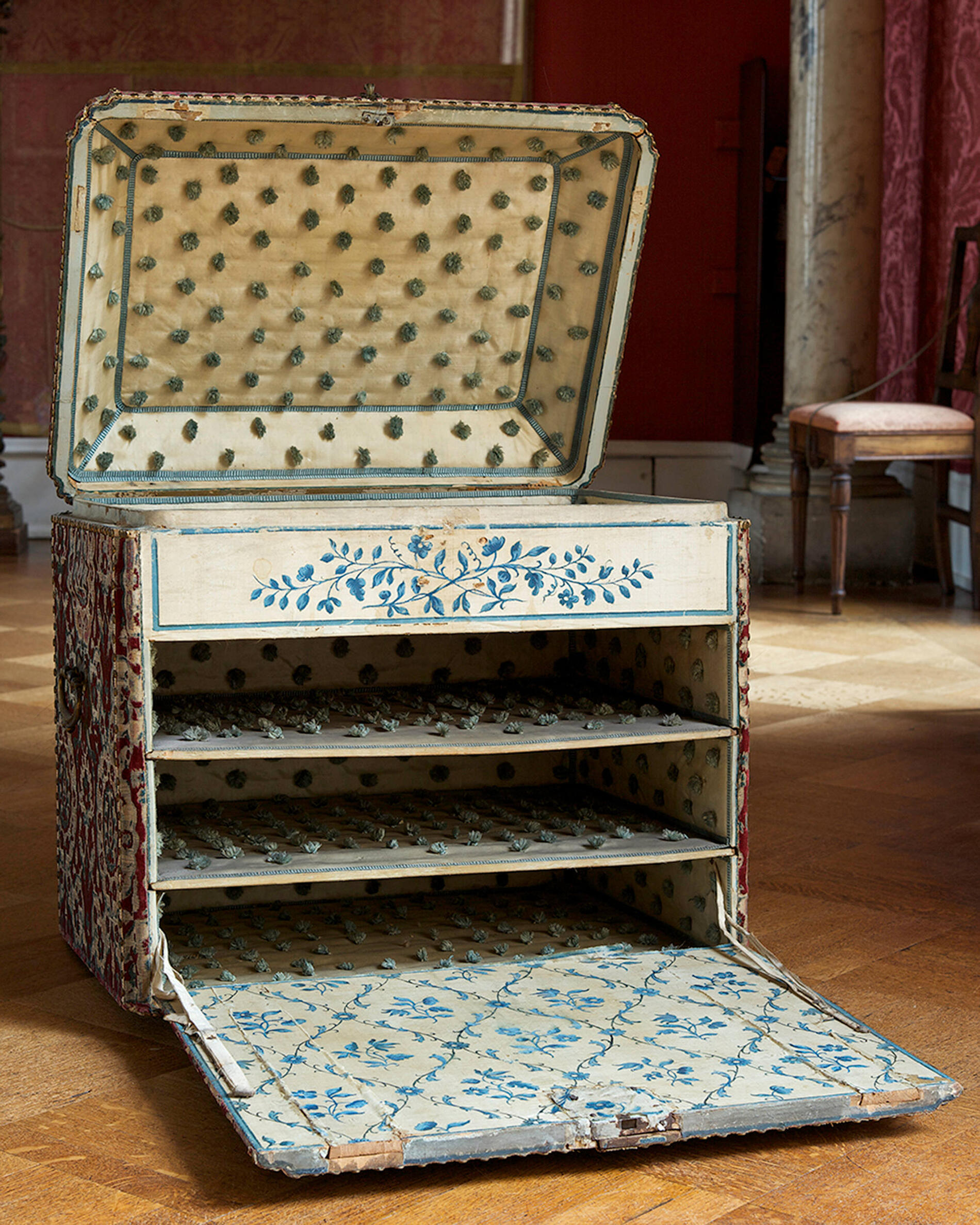
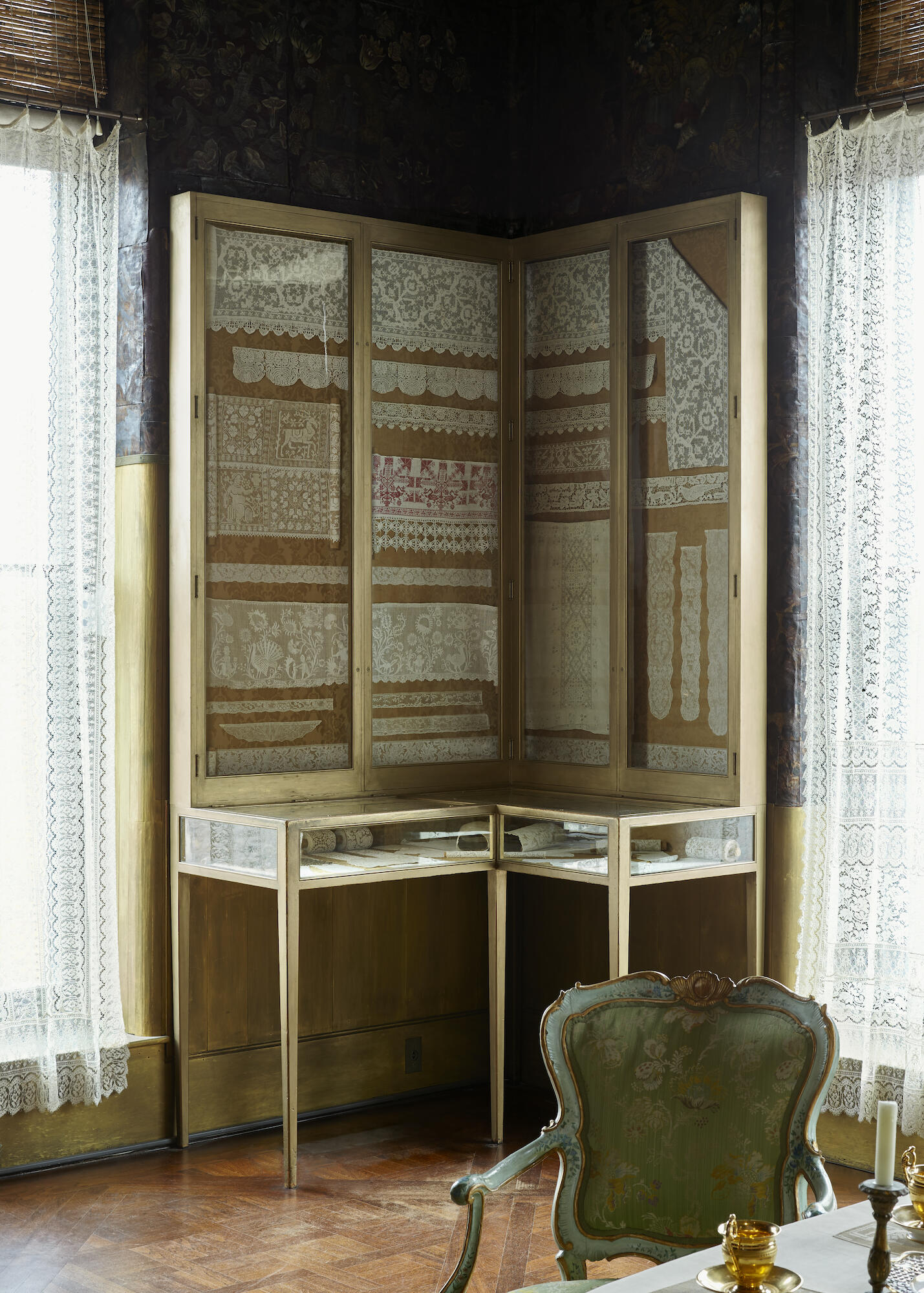
Jesurum was one of several merchants of the period who not only dealt in historic lace, but also opened workshops to produce original designs and copies of early patterns, which were a more affordable alternative to the patinated originals. Far from denigrating the value of historic lace, the sweep of the Industrial Revolution had only served to make it more desirable to connoisseurs in the face of machine-made imitations. Thanks to the publication of guides such as The Queen Lace Book in 1874, lace collecting had become a necessity amongst the fashionable elite. Amassing chronological specimens representative of the major lace regions into albums and gilded cases gave collectors “an air of refined distinction which even jewels, lovely as they may be, are impotent to achieve.”6

By the second half of the 20th century, lace was solidly passé, described by art historian Phillipe Julian as the domain of “very few old ladies” who “keep widths of Mechlin or Venetian at the back of a cupboard.” Early historians of collecting dismissed lace collectors—who were primarily women—as frivolous consumers, distinct from serious connoisseurs of fine art. However, collecting lace required historical, geographical, and technical mastery, as sometimes the differences between two types of lace are discernible only by a single twist in the stitches. Feminist scholars of collecting history like Kate Hill and Thomas Stammers have made substantial headway in revising this narrative, arguing that not only were female collectors not rare, but they were driven by the same scholarly impulses as men and played a crucial role in the creation of museums.

I would take this argument even further: lace collections like Isabella’s not only enable us to understand their collectors, but also their countless anonymous makers. If we comprehend the enormous labor hours that went into producing lace, it follows that the thousands of surviving examples in museum collections represent an international network of highly skilled women and girls whose creative contributions were essential to their communities and wider economies. It is clear that many female lace collectors understood this history too, and were attempting to make a claim for their own significance. Likewise, Isabella didn’t just purchase lace because it was beautiful or fashionable, but because she felt a personal connection to it, as in the case of a piece of mezzo punto that she believed belonged to an alleged ancestor, Mary, Queen of Scots. 

I can’t help but imagine that, through her lace collection, Isabella recognized the valuable contributions of the hands that had made them so long ago.
 

1Earnshaw, Pat. A Dictionary of Lace. UK: Shire Publications LTD. 1982, 177

2Ibid., 180

3Jones, Ann Rosalind. “Labor and Lace: The Crafts of Giacomo Franco’s Habiti Delle Donne Venetiane.” I Tatti Studies in the Italian Renaissance 17, no. 2 (2014), 411.

4“Fine Lace Lovers Have Their Club,” New York Times, December 1, 1918, sec. Editorial.

5Isabella Stewart Gardner, “Travel Diary: China, Vietnam, Cambodia, Indonesia, India, Singapore, Myanmar, Egypt, and Italy, 1883 - 1884.” The Isabella Stewart Gardner Museum.

6Mrs. F. Nevill Jackson, “On the Wearing of Old Lace,” The Lady’s Realm, August 1899, 510–16.
 

You May Also Like

Read More on the Blog

Isabella’s Lace

Explore the collection

Isabella Clara Eugenia