
Walking through the Isabella Stewart Gardner Museum always somehow feels like an intimate experience. Despite the grandeur of the building or the extraordinary breadth and importance of the collection, the space still feels very much like a home, and the interiors a compelling and revealing portrait of a truly remarkable woman.
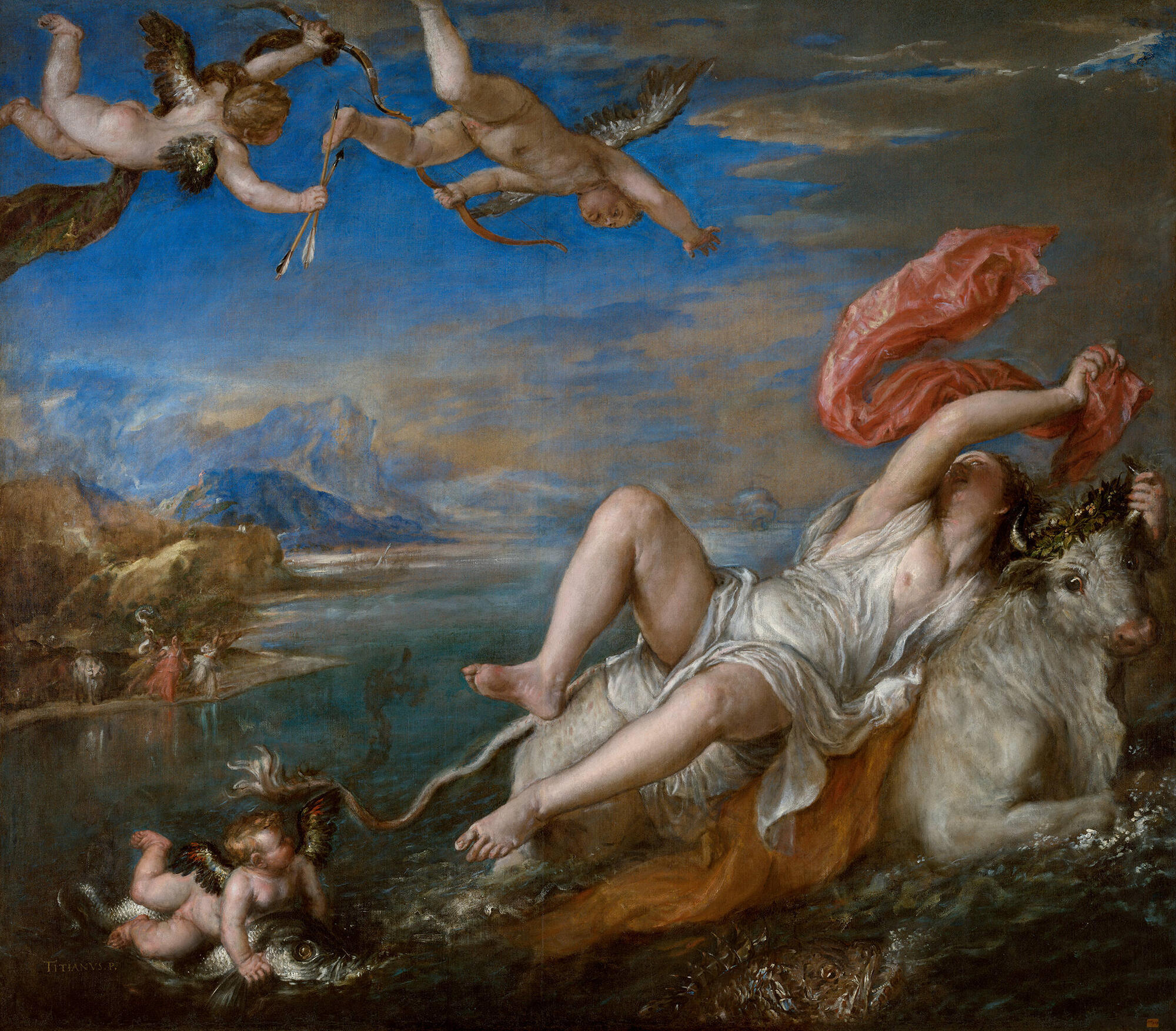
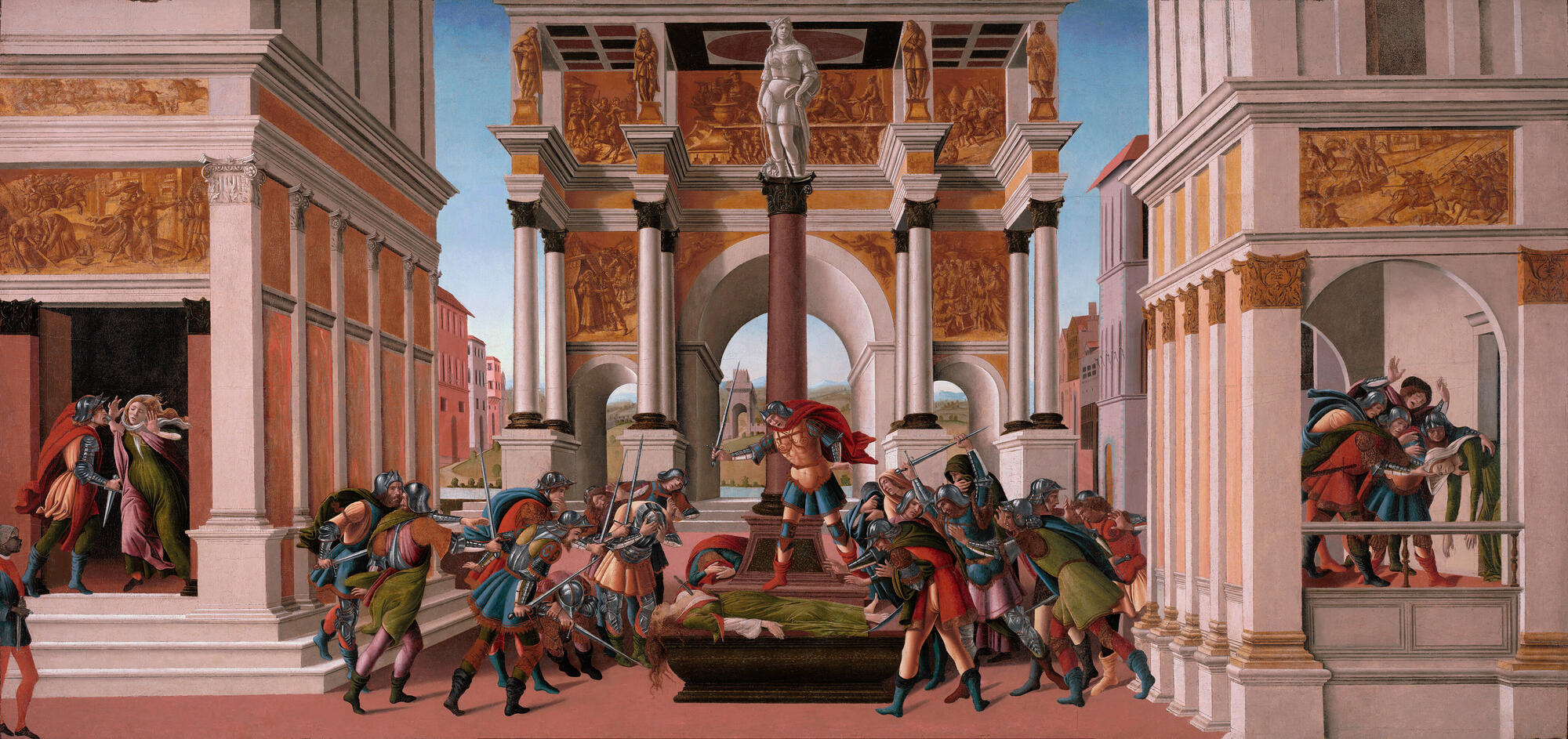
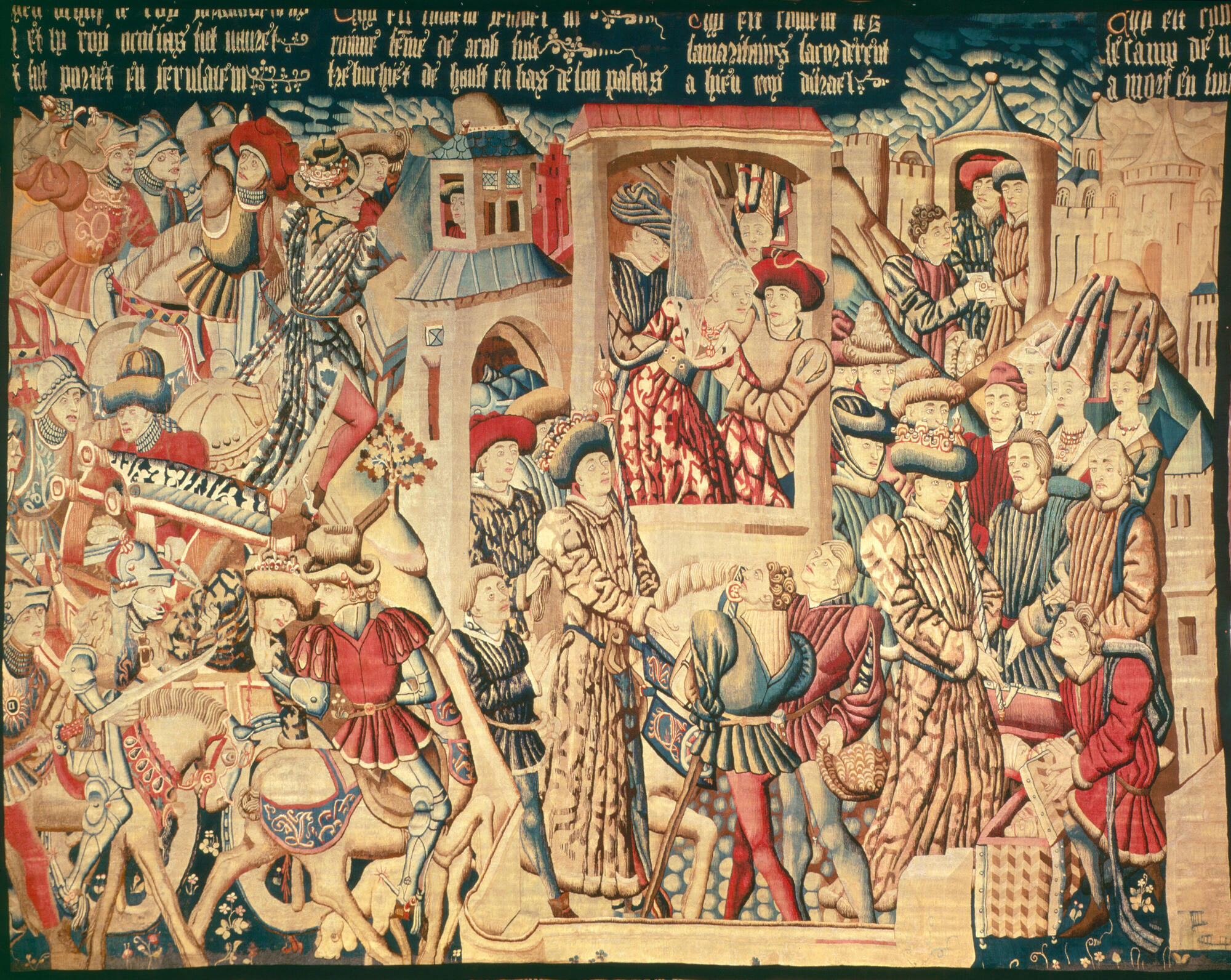
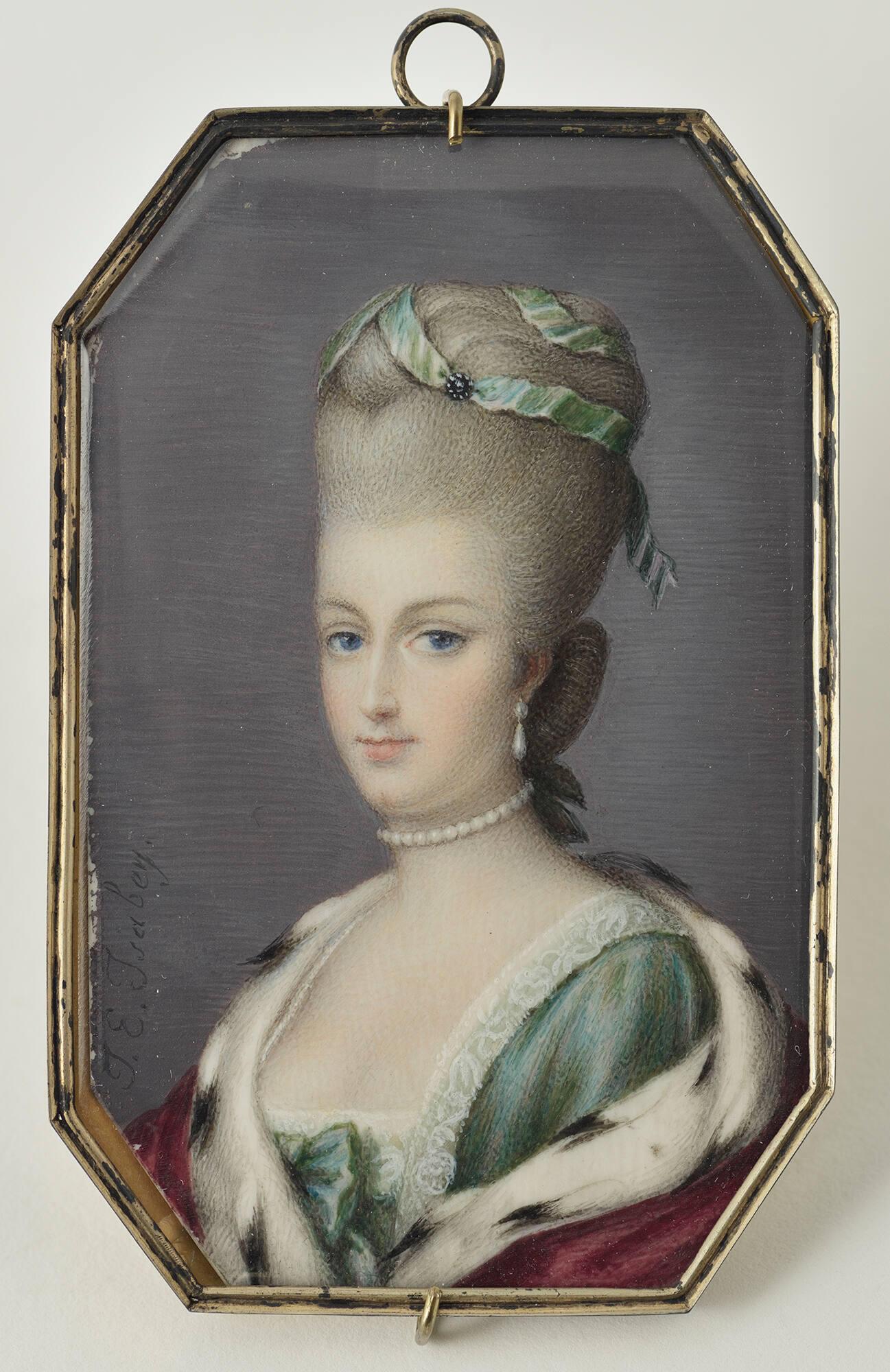
Isabella Stewart Gardner was ahead of the curve and began collecting in earnest before the craze for acquiring prominent pre-modern European artists had fully established itself amongst America’s elite, amassing what remains today a world-class collection. While not explicitly themed, the collection features many iconic female protagonists, from Titian’s Europa to Botticelli’s Lucretia, Rogier van der Weyden’s Jezebel to Jean-Baptiste Isabey’s Marie Antoinette. But among them all, none is represented more prominently than the Virgin Mary in mother and child scenes, a relationship I also explore in my own work.
I had the honor of participating in the Museum’s Artist-in-Residence program during the summer of 2025. Isabella first invited John Singer Sargent to live and work at the Museum in 1903, and the program continues today, having welcomed over 110 artists. During my month at the Museum, I got to know the collection intimately seeing it alone after hours or early in the morning and spending time with its extensive Archives.
Motherhood in the Collection
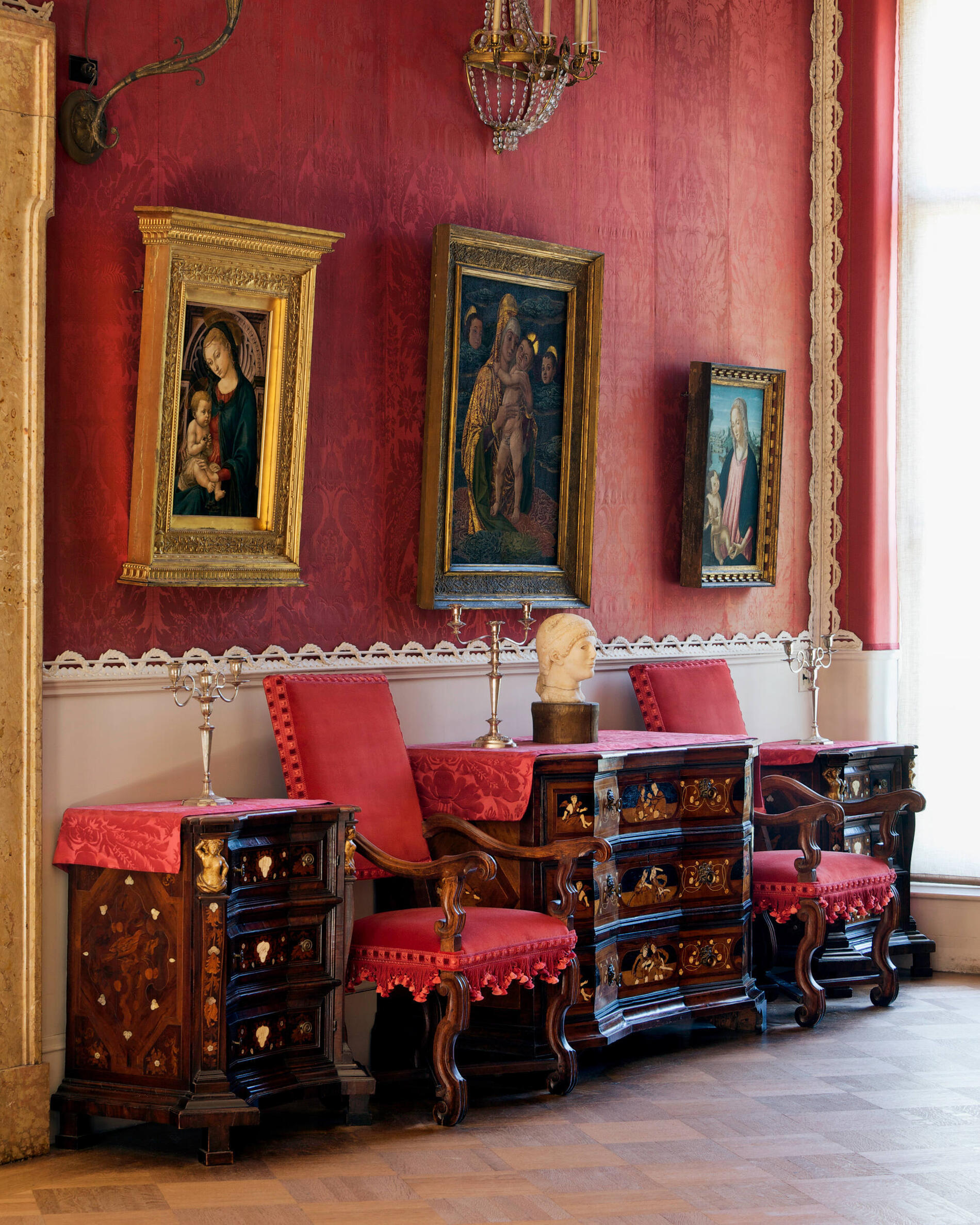
I became fascinated by how often the Madonna and Child pair appears in the collection—there are 40 paintings and sculptures. Some of my favorites include masterworks by Pesellino, Bellini, and Botticelli. Images like these served the dual purpose of religious icon and family role model. The 15th-century Florentine theologian Giovanni Dominici recommended that such images be placed in children’s rooms to model correct behavior.
Isabella Stewart Gardner Museum, Boston
Three Virgin and Child paintings in the Raphael Room, including Francesco Pesellino’s Virgin and Child with a Swallow, about 1453–1457, on the far left
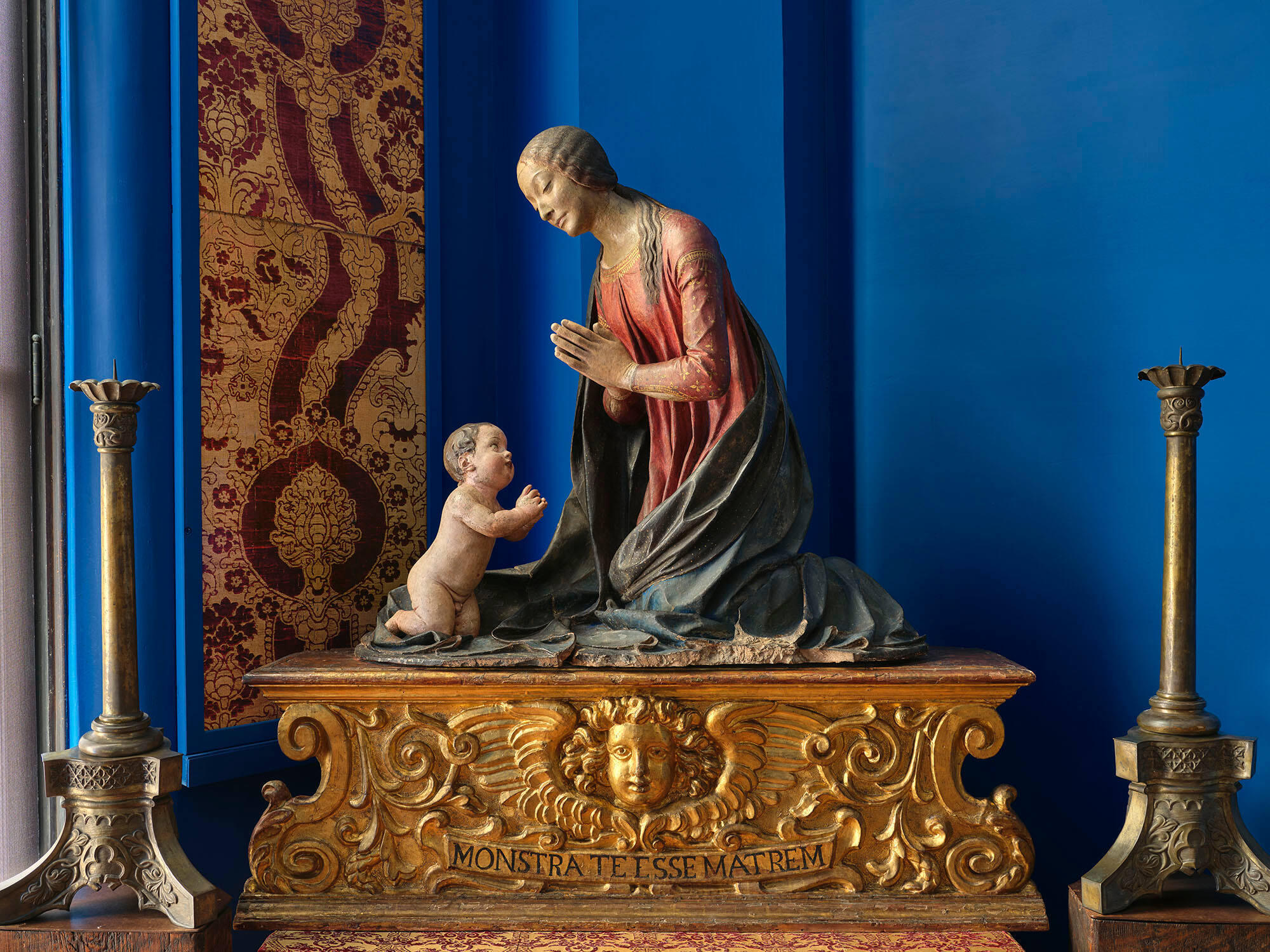
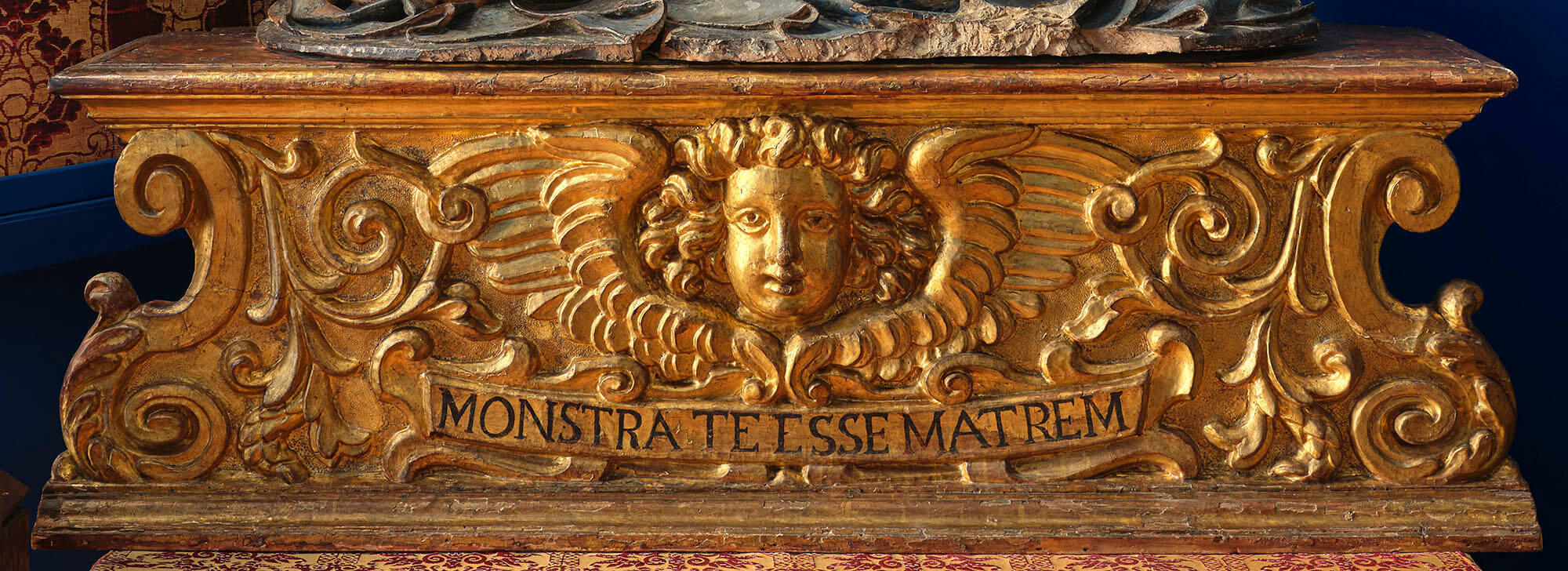
Walking through the Long Gallery, I stopped at an almost life-sized polychromed and gilded terracotta sculpture of the Madonna and Child: Matteo Civitali’s Virgin Adoring the Christ Child (about 1480). There is a genuine tenderness and reality to the sculpture; the love feels real as she prays, gazing down through half-closed eyes at her adoring infant child. But what struck me was the text beneath. The sculpture sits atop an elaborately carved and gilded base with a carved winged cherub and a scroll with the Latin phrase Monstra Te Esse Matrem [Show Yourself to be a Mother].
Motherhood in my own work
I first began exploring the theme of motherhood in 2006 when I began the series I Promise to be a Good Mother. I assume the role of subject and photographer and put on the mask of motherhood, dressing up and interacting with a Reborn doll. The project was inspired by and named after a diary I kept as a girl that documented the relationship with my own mother, written as a kind of rule sheet for later life. I started staging specific memories from my childhood, acting out recalled events and behaviors and eventually the performance evolved into an exploration of the complexities surrounding the paradox of the mother/child relationship, investigating both its vernacular and art historical depictions. Historically, the mother figure, most often depicted through the male gaze, was heavily idealized and romanticized. I try to confront that lineage by resisting those traditional representations by exposing the everyday realities. In some images the mother figure is awkward, sometimes distant, and uncertain, but above all, she is imperfect.
Monstra Te Esse Matrem, Show Yourself to be a Mother
Monstra Te Esse Matrem finds its origins in a 9th-century Marian hymn, the Ave Maris Stella, traditionally sung at Vespers, or evening prayers, on feast days honoring the Virgin Mary. The lyrics of the hymn act as a prayer for guidance and protection, with Mary leading believers safely through the stormy "sea" of life to Jesus.
I began to wonder how Isabella felt about the sculpture, its arrangement, and why it was given such a prominent place in the Long Gallery. She fought hard to acquire it, competing against other collectors including Wilhelm Bode, the director of the Berlin State Museums. Isabella spent countless hours on the display of objects within her museum and ensured her curatorial intent would be protected in her last will and testament. While we don’t know her thoughts about the phrase “Monstra Te Esse Matrem," her placement of the base with those words under Civatelli’s sculpture was deliberate.
Motherhood has always played a central role in my work, and it was through this lens that I first approached Isabella. There are many portraits of her in the collection, but it was a small photograph in the archive that I was most drawn to. The picture taken in 1864, shows a young Isabella affectionately holding her infant son Jackie, who tragically died at 21 months old. The photograph embodies all the ideals of maternal perfection also found in Madonna and Child images, while simultaneously evoking the sorrow of impending loss.
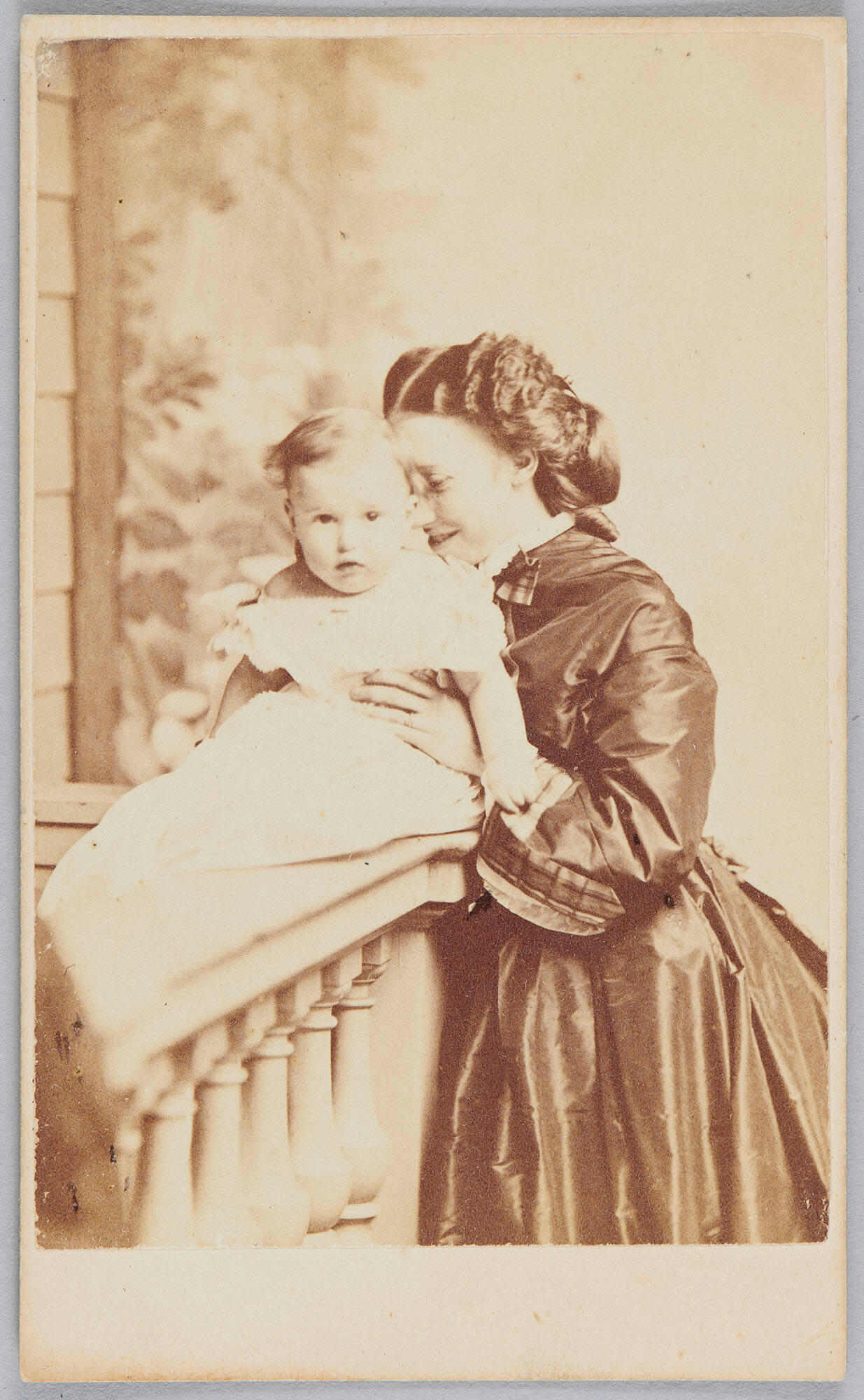
Isabella Stewart Gardner Museum, Boston (ARC1986.1.3)
John Adams Whipple (American, 1822–1891), Isabella Stewart Gardner and her son John L. Gardner III, 1864. Albumen print on card, 10.1 x 6 cm (4 x 2 3/8 in.)
When I was invited to produce a new work for the Museum’s façade, it was to that same phrase “Show Yourself to be a Mother” that I returned. I found myself thinking about the space between imagining and becoming, and what it actually looks and feels like to inhabit that role. I was reflecting on my past and present selves, my former persona and my life now as a mother. The piece I made emerged directly from that reality.
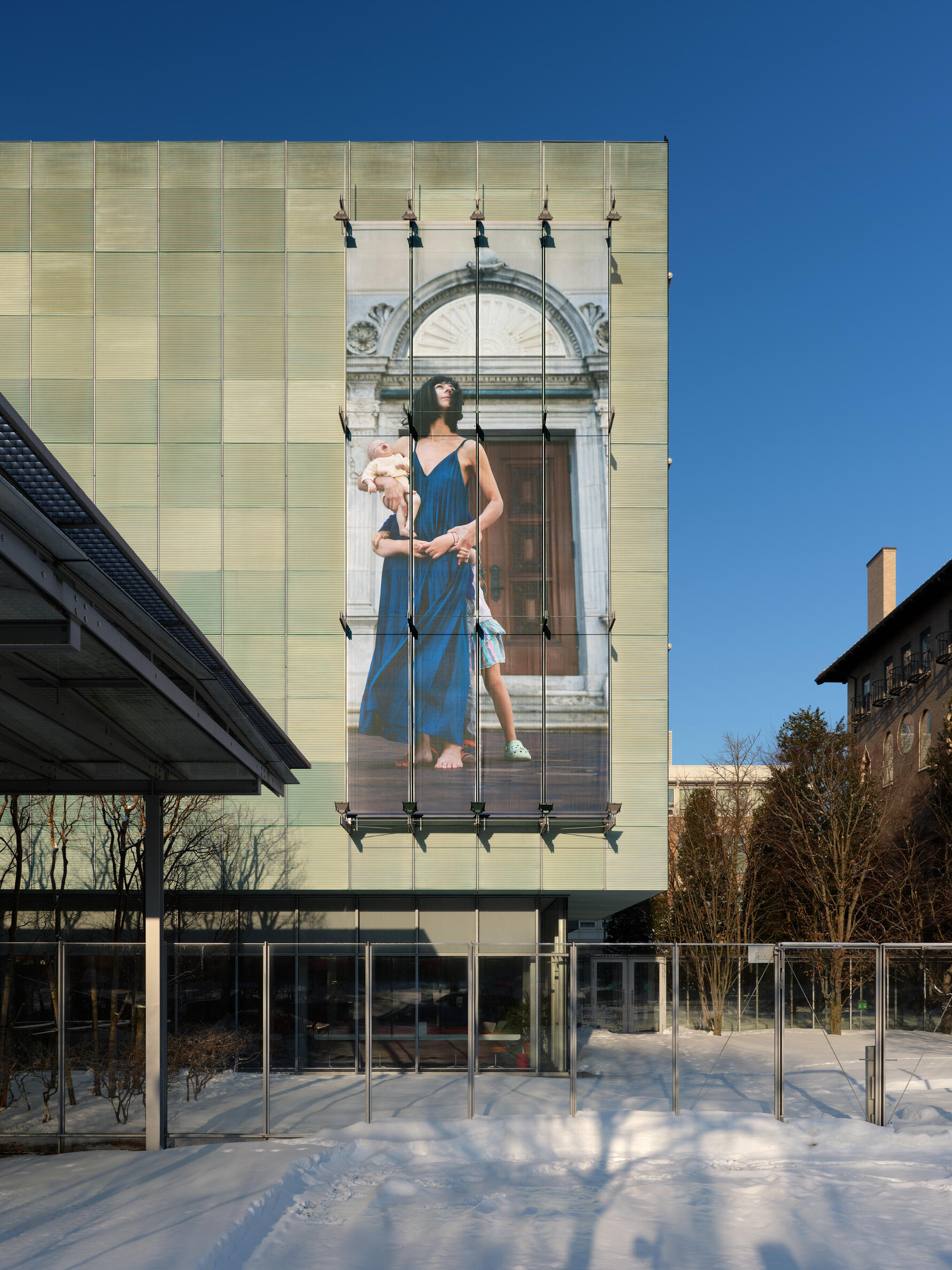
Photo: Isabella Stewart Gardner Museum, Boston
Jamie Diamond: Monstra Te Esse Matrem, 2026, Anne H. Fitzpatrick Faḉade, 10 February 2026 - 28 July 2026. Isabella Stewart Gardner Museum, Boston
While I was posing with my reborn doll, my own children entered the frame, grabbing me in a desire to connect and be close. In that very real moment, just as their entrance disrupted the pose, the photograph was taken, capturing not a staged ideal but a fleeting convergence of chaos, vulnerability, love, and strength.
You May Also Like:

Read More on the Blog
Isabella and the Complexities of Motherhood

Artists & Community Programs
Learn about Artists-in-Residence

Exhibitions & Events