
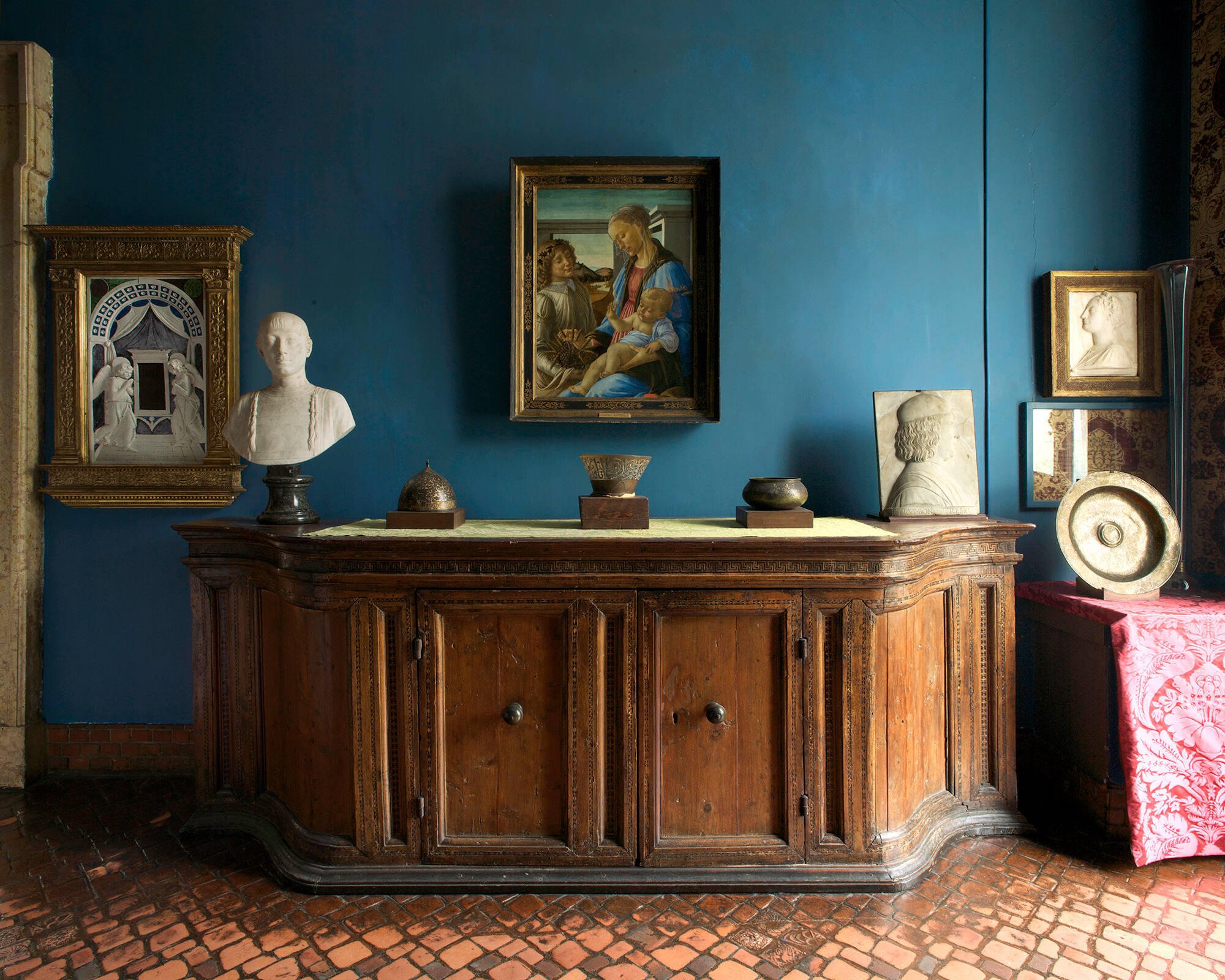
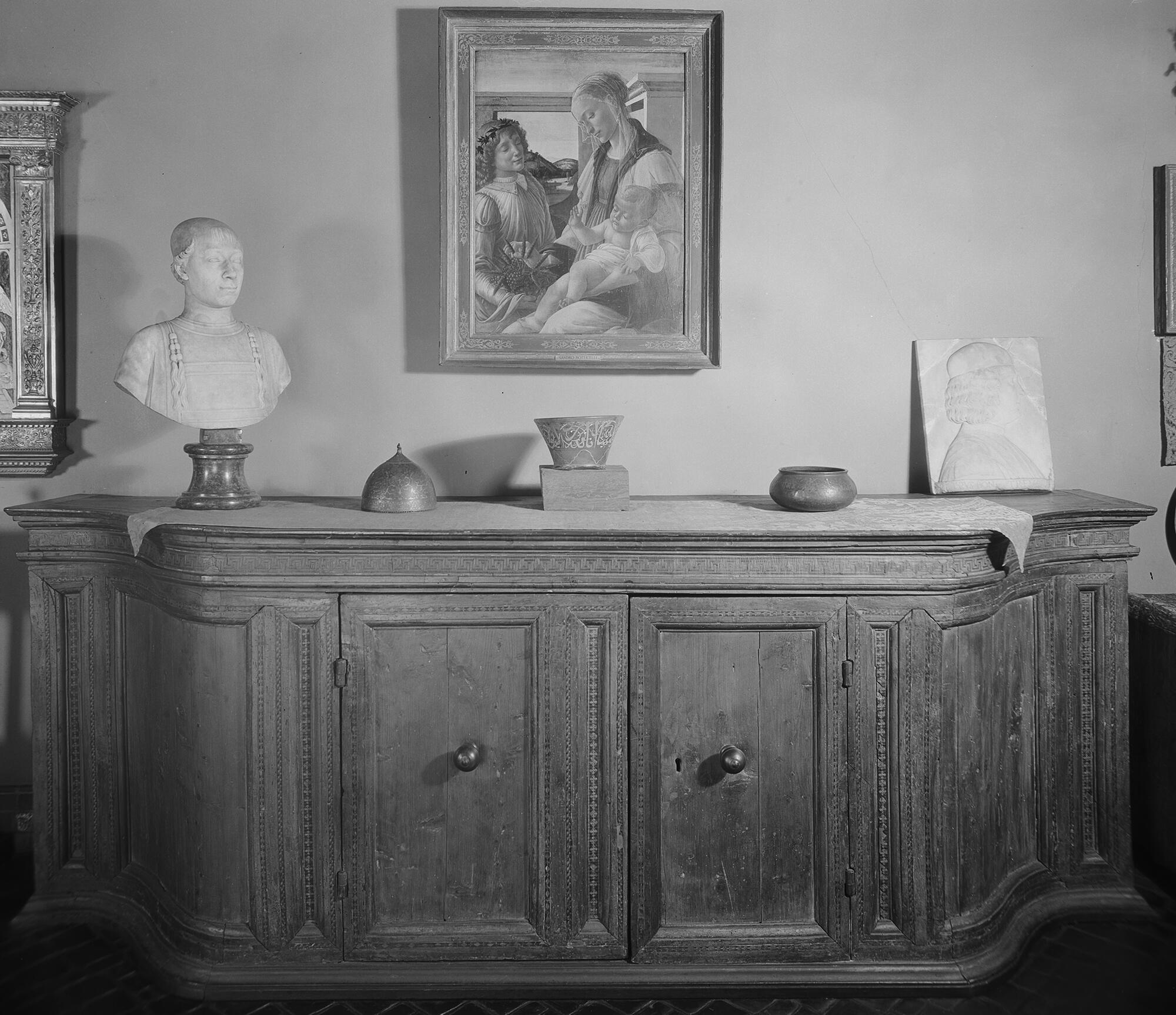
At the north end of the Long Gallery, beneath Sandro Botticelli’s Virgin and Child with Angel, Isabella Stewart Gardner displayed a fragment of an oil lamp from the Mamluk period (1250–1517) in Egypt and Syria. In 2025, the Gardner’s Conservation Department selected the fragment of an oil lamp for treatment as part of an initiative to care for and increase awareness of objects from Asia and Africa in the collection.
Isabella Stewart Gardner Museum, Boston (C27w74). Photo: Sean Dungan
Syrian or Egyptian, Fragment of an Oil Lamp, mid 14th century, displayed in the Long Gallery, 2009
The fragment is made of yellow-brown glass, decorated with white enamel spirals, and enamel floral motifs in red, yellow, and green. Blue enamel Thuluth script, a type of Islamic calligraphy, encircles the lamp fragment and reads:
The mosques of God should only be maintained by those who believe in God and the Last Day, establish prayer, [and] pay alms tax […]
The Mamluk Sultanate and the Arts
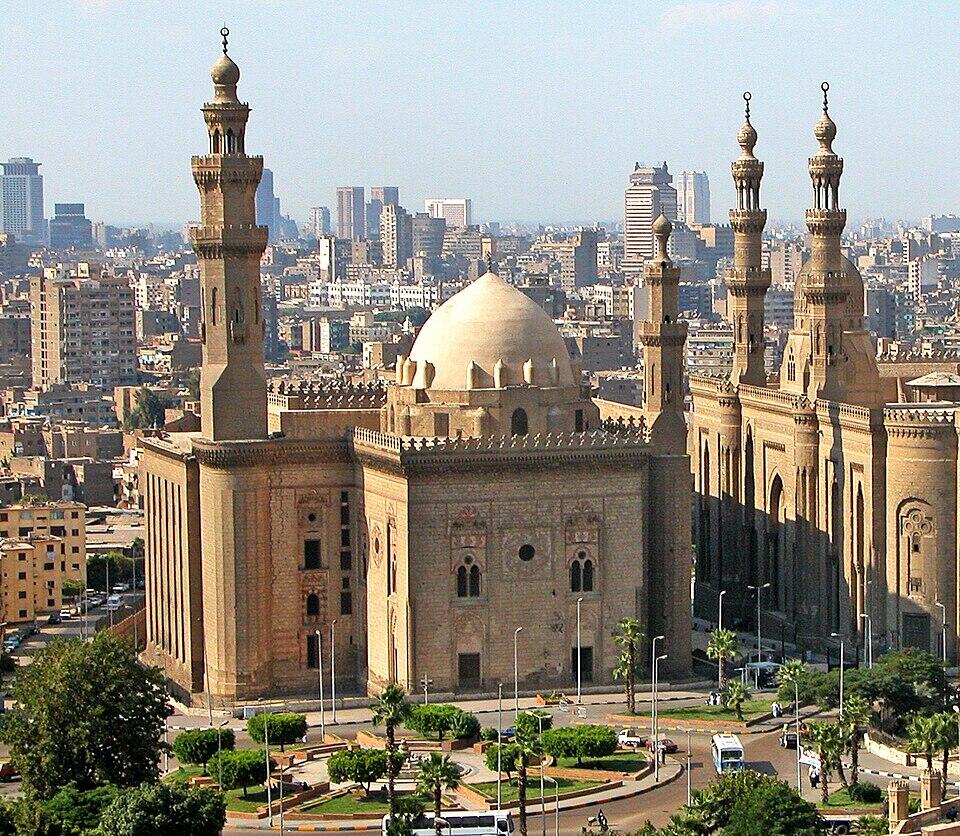
Mamluks were enslaved soldiers primarily of Turkic and Southeastern European origin who were purchased to serve in the Ayyubid sultanate of Egypt and Damascus. In 1250, they revolted and seized power of key lands in the Middle East, including Cairo, which became the artistic and economic center of the Islamic world at this time. Mamluk sultans commissioned numerous mosques, madrasas, primary schools, mausoleums, and other Sufi institutions.
Dennis G. Jarvis, CC BY-SA 2.0 <https://creativecommons.org/licenses/by-sa/2.0>, via Wikimedia Commons
The Madrasa and Friday Mosque of Sultan Hasan, 1356–1363, in Cairo, Egypt is an example of Mamluk architecture
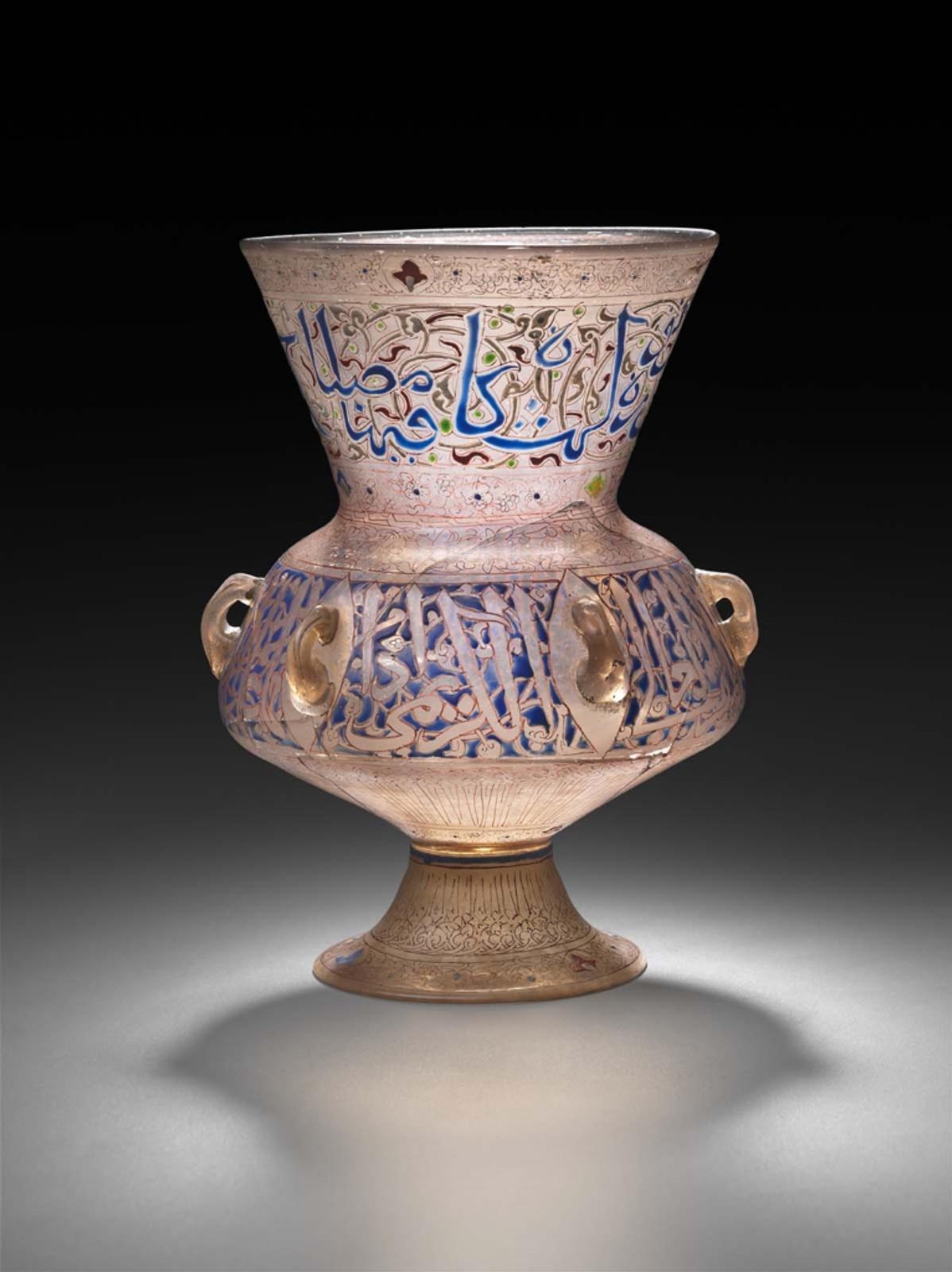
In order to light these buildings, artisans manufactured large numbers of oil lamps. They are recognizable due to their size and elaborate enamel decoration. The upper neck and rim usually contained a verse from the Qur’an and the belly of the lamp usually held the name of the emir or sultan who either commissioned the lamp or whom the lamp honored.
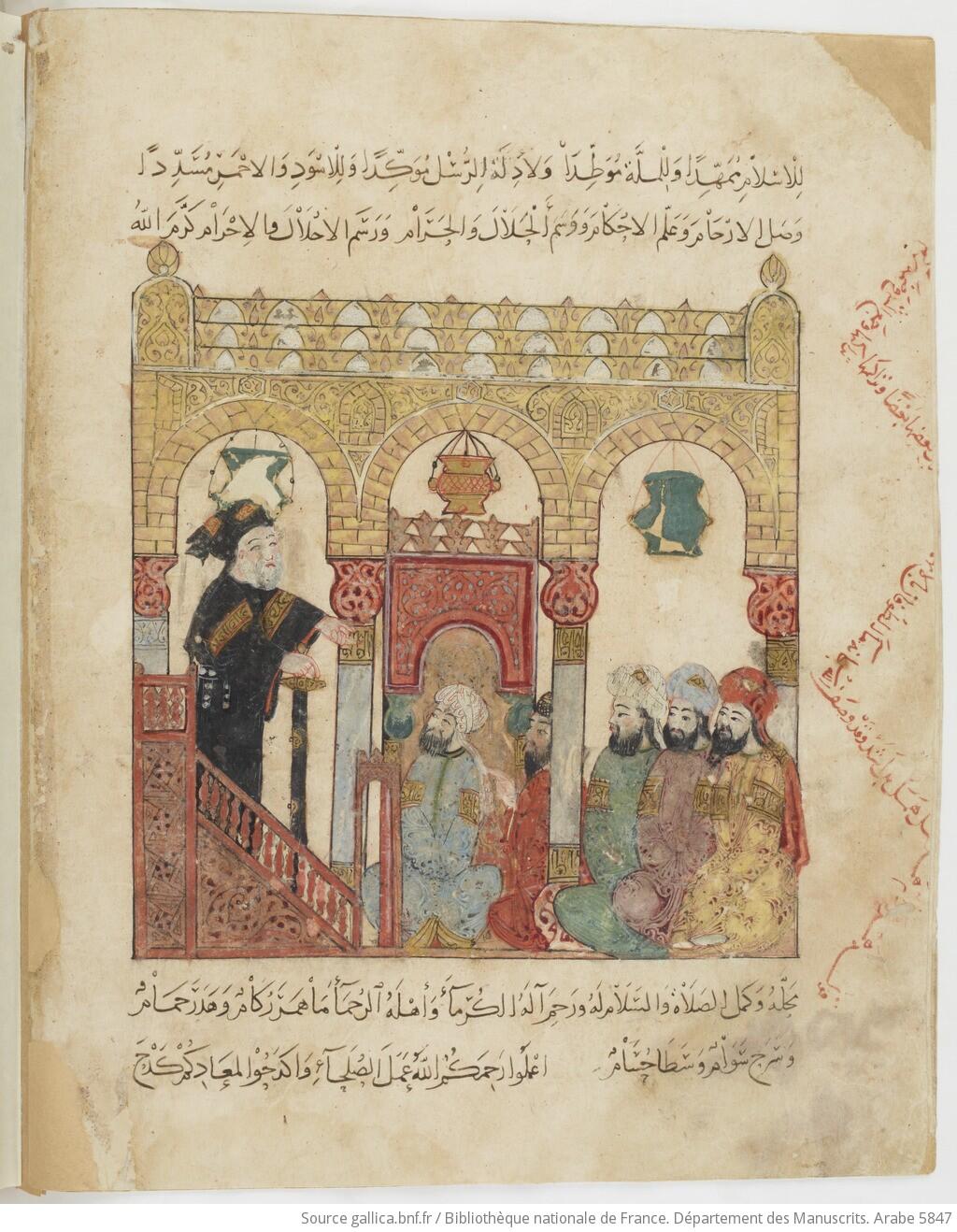
Photo courtesy of the Bibliothèque Nationale de France (Arabe 5847)
Al-Harîrî (Iraq, d. 1122, author) and Yahya b. Mahmud al-Wasiti (Iraq, 13th century, copyist and painter), Al-Maqâmât (The Sessions): Naming of Caliph al-Mustansir, f. 164v, 1237. Manuscript on paper, 37 x 28 cm (14.5 x 11 in.)
Making a Glass Lamp
Oil lamps in the Mamluk style were free-blown of soda-lime-silica glass and finished with a worked foot and handles. After annealing, a decorator used powdered gold in a binder (e.g. gum arabic) to sketch out designs on the lamp. Next, they filled in the sketches with enamels and outlined them with red enamel over a gold ground. The enamels were fused to the glass by slowly heating them in the lehr (annealing chamber) before the artisan rotated them slowly on a pontil in a furnace. The thickness of the glass prevented the lamp from becoming molten; however, the similar melting point of the enamels and the glass and the glass’s weight meant that occasionally the lamps came out slightly uneven.
Museum of Fine Arts, Boston (37.614). Gift of Mr. and Mrs. Edward Jackson Holmes
Islamic, Mamluk (Cairo, Egypt), Oil Lamp, early 1300s. Glass with gold and enamel decoration, 27.5 x 20 cm (10 13/16 x 7 7/8 in.)
Conservation and Display of the Gardner’s Lamp
During the 2025 examination, Conservation staff realized the way the lamp was displayed in the Long Gallery had changed at some point during the Museum’s history—possibly during World War, II when many objects were moved for their protection. The natural color of the balsa wood support on the bottom of the lamp was glaring, and the internal wooden support obscured the red-and-gold floral decoration in the middle register of the lamp. The glass looked opaque rather than translucent. We decided that cleaning and remounting the oil lamp fragment would allow it to be better understood by visitors as a valuable piece of religious and decorative art, while restoring Isabella’s original curatorial intent.
Isabella Stewart Gardner Museum, Boston
Syrian or Egyptian, Fragment of an Oil Lamp, mid 14th-century, displayed in the Long Gallery in 1933. This photograph likely shows how Isabella originally displayed the lamp.
After removing the lamp from its mount and giving it a good dusting, we cleaned off years of dirt and grime buildup using a mild surfactant solution.
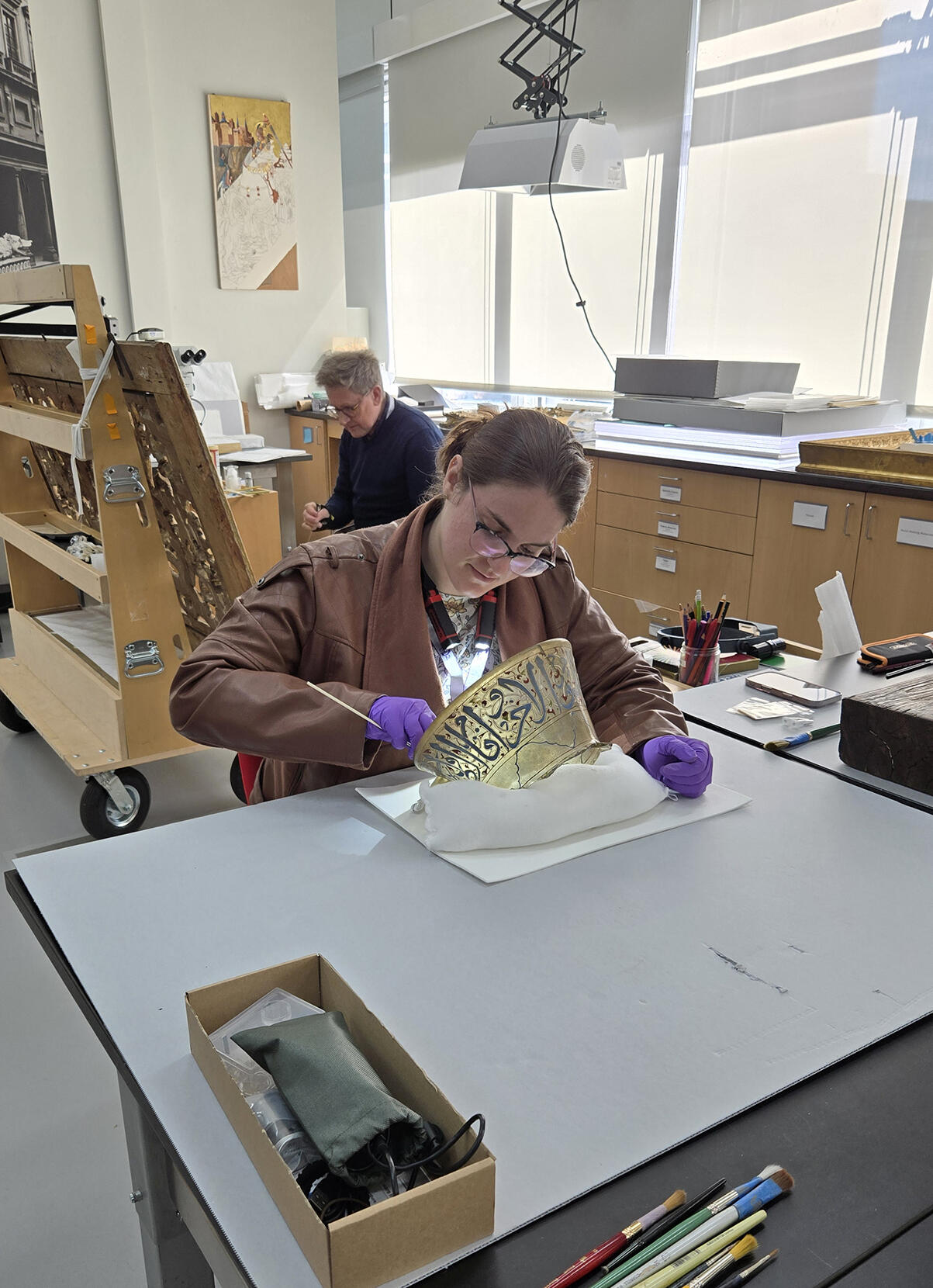
Riley Thomas, Graduate Objects Conservation Intern, cleaning the interior of the oil lamp fragment, 2025
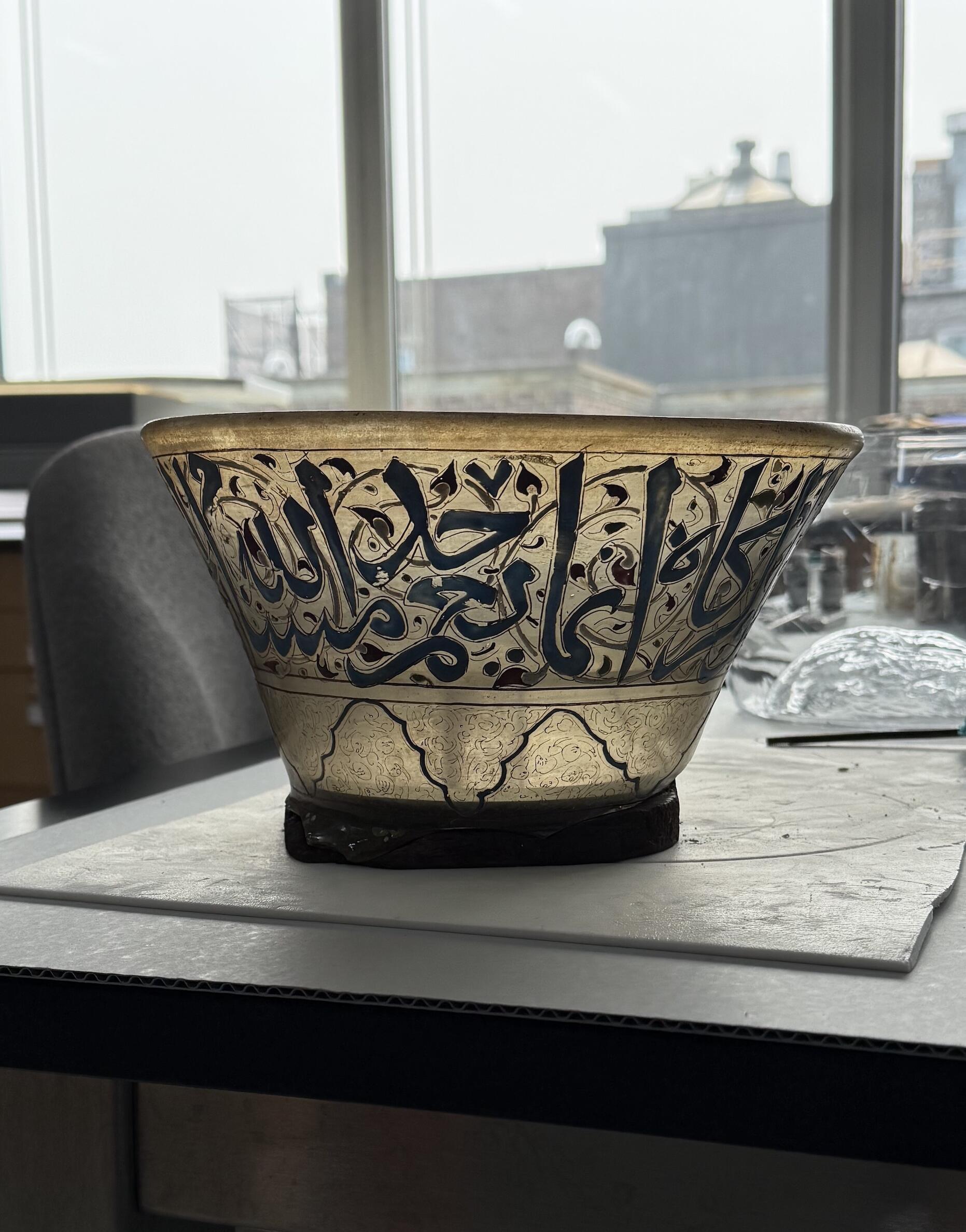
Now that it was clean, we turned our attention to the lamp’s display. The uneven lower edge of the oil lamp made it difficult to sculpt a new base. We tried numerous materials including Milliput (an epoxy putty), foam clay, air-dry clay, and even Alien Clay (a waxy modeling clay). In the end, the simplest solution was the most successful: we repainted the existing balsa support to blend in with the wooden base, and the Gardner’s Preparator constructed an internal support from a transparent material, Optium Museum Acrylic®.
Isabella Stewart Gardner Museum, Boston
With the acrylic supports in place, detail in the lower register of the oil lamp can easily be seen when light passes through.
Now, light passes through the glass easily and the enamel details pop, highlighting the beauty of this nearly 700-year-old lamp.
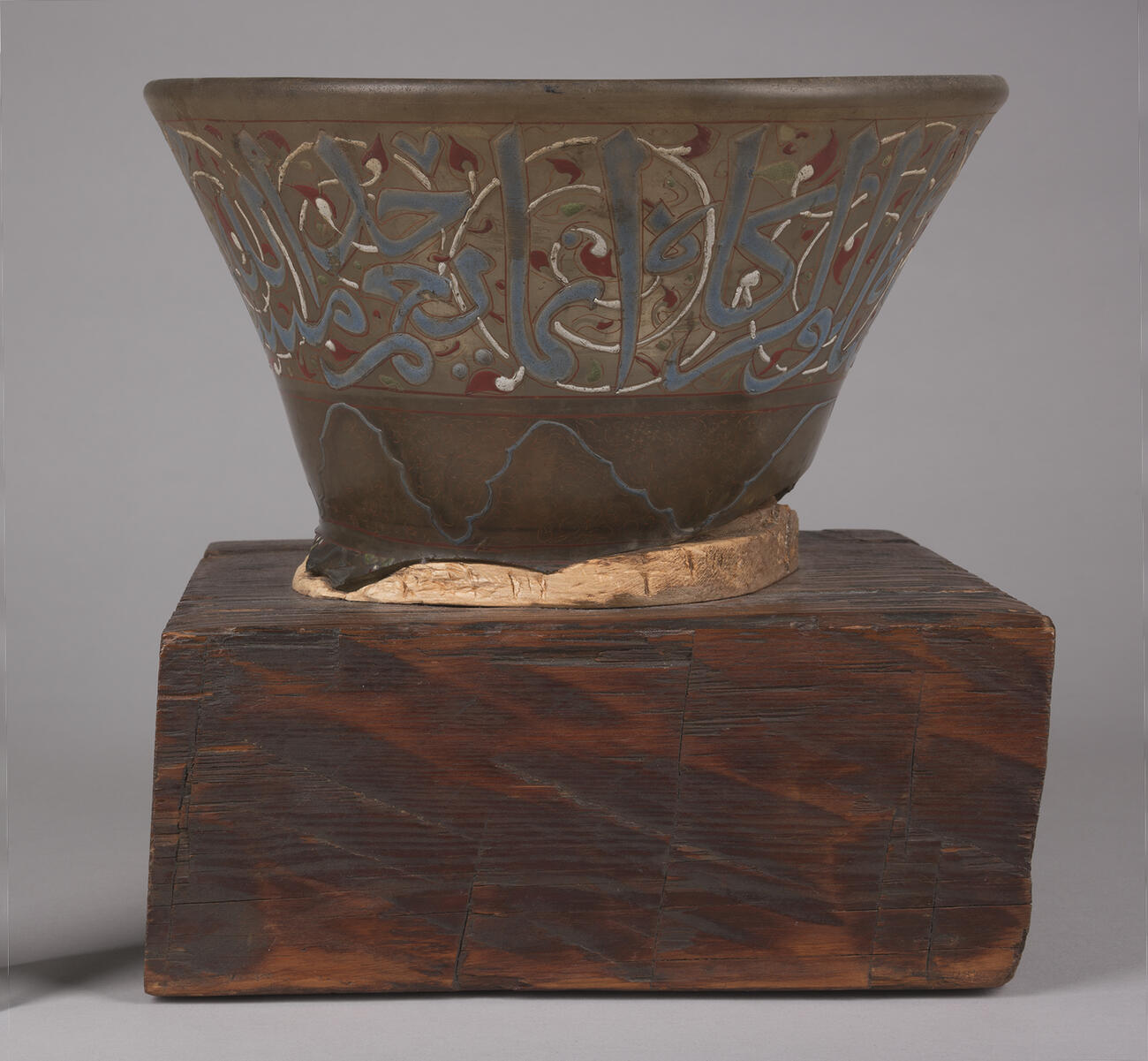
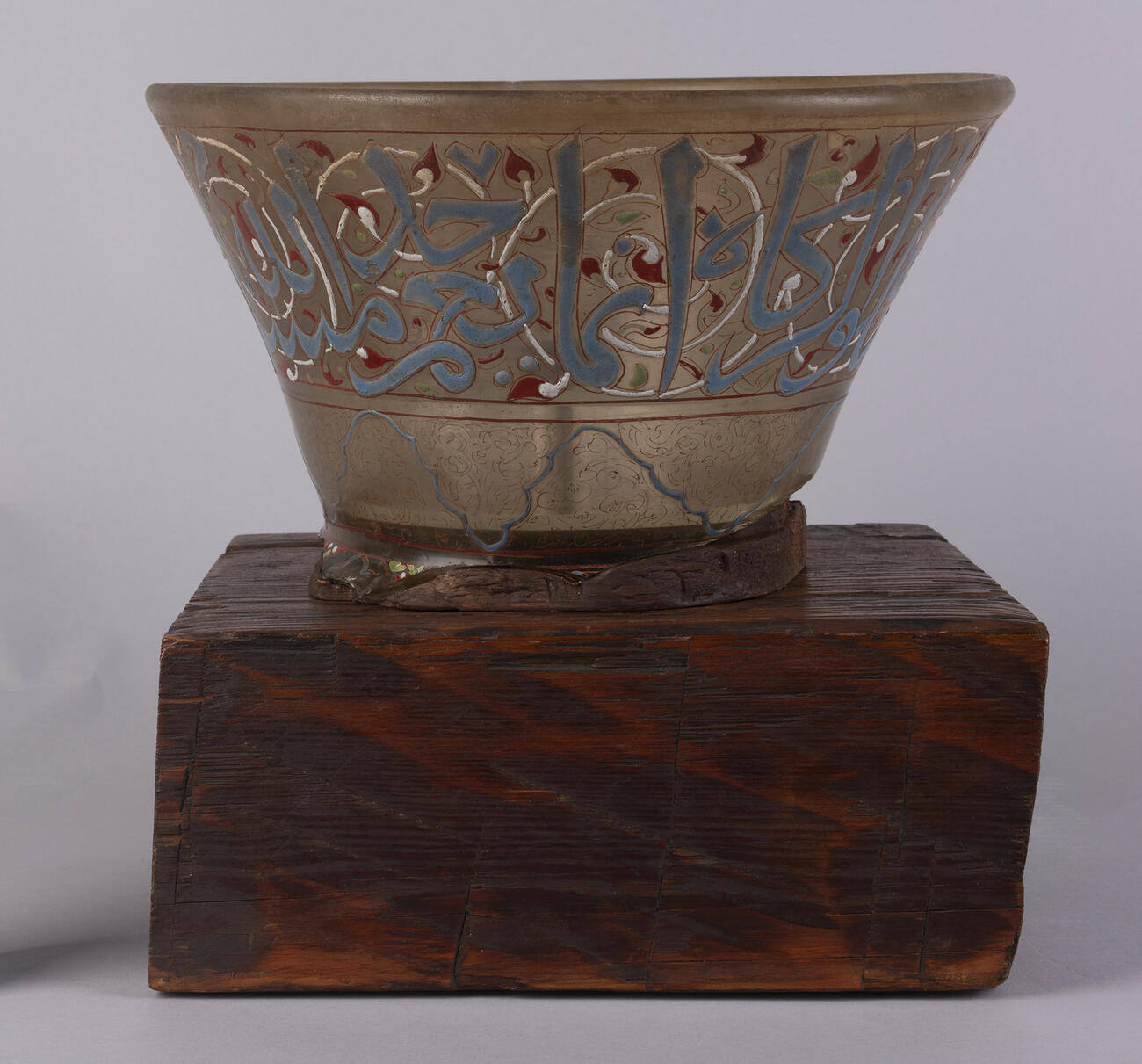
Before and after conservation treatment of the Fragment of an Oil Lamp
Be sure to stop by the Long Gallery and see it reinstalled next time you visit the Isabella Stewart Gardner Museum!
You May Also Like:
From the Collection
Egyptian, Cairo
Shutters, late 13th century - early 14th century
From the Collection
Egyptian
Bowl, mid 14th century

Explore the Museum