
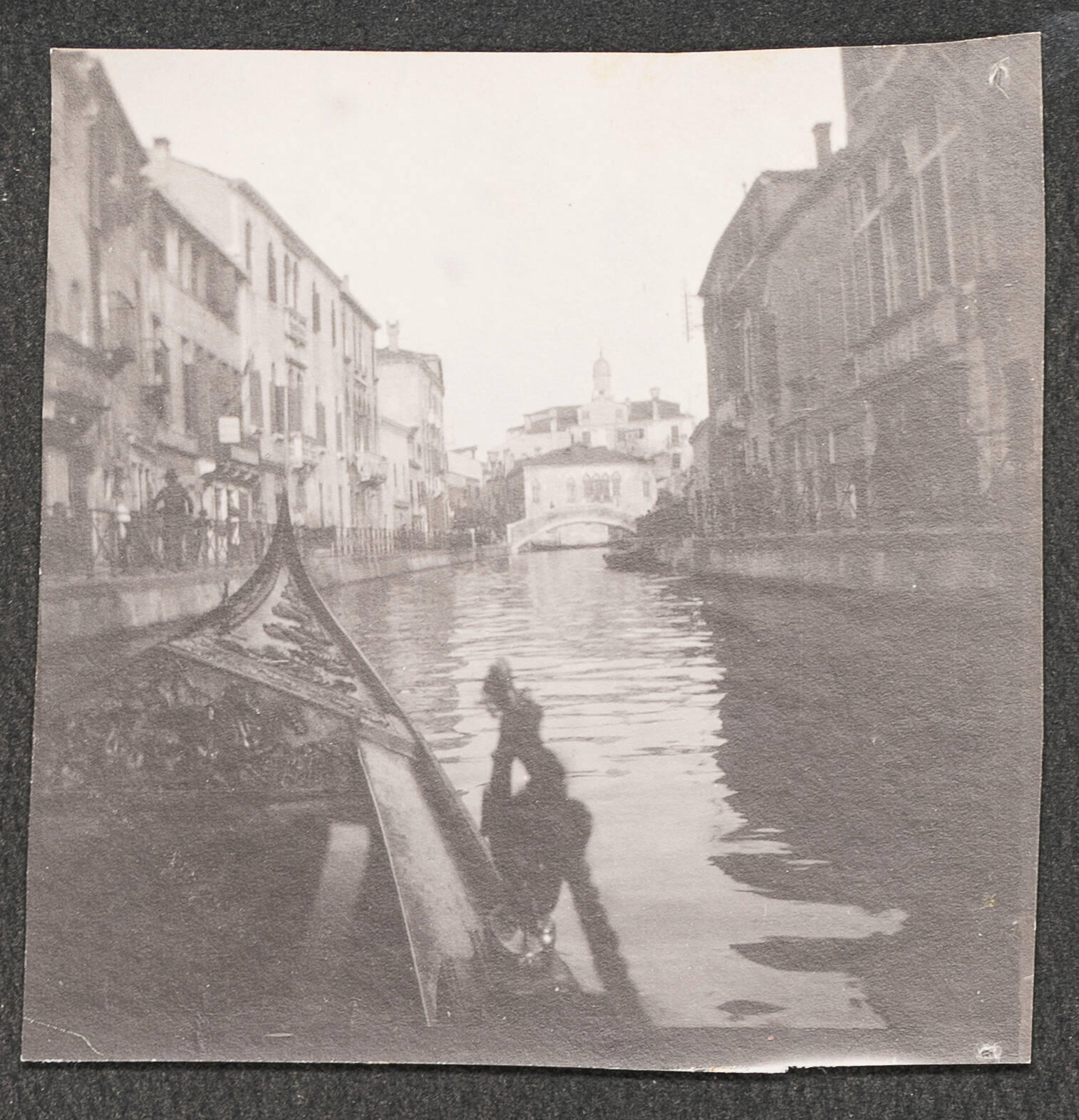
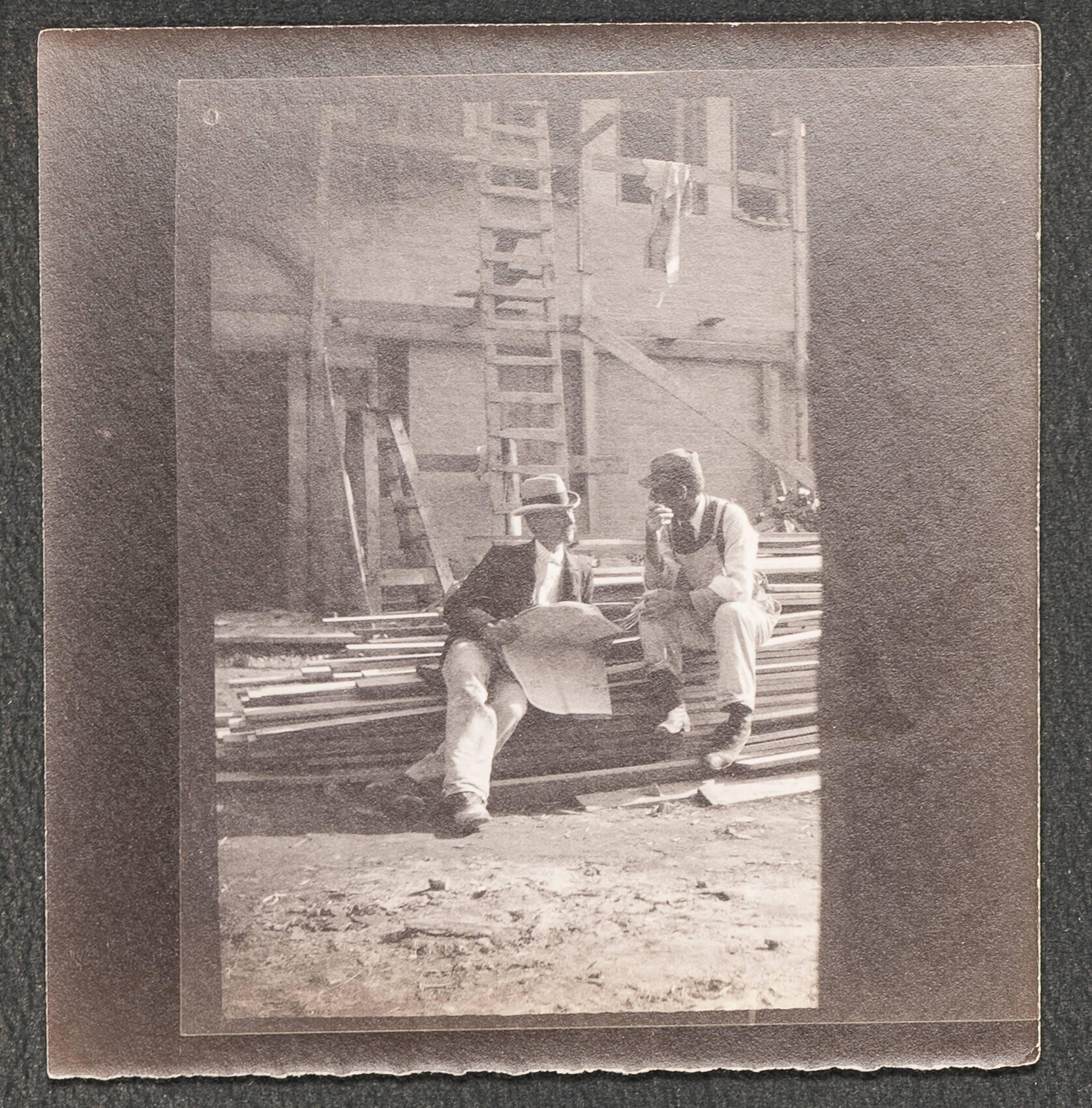
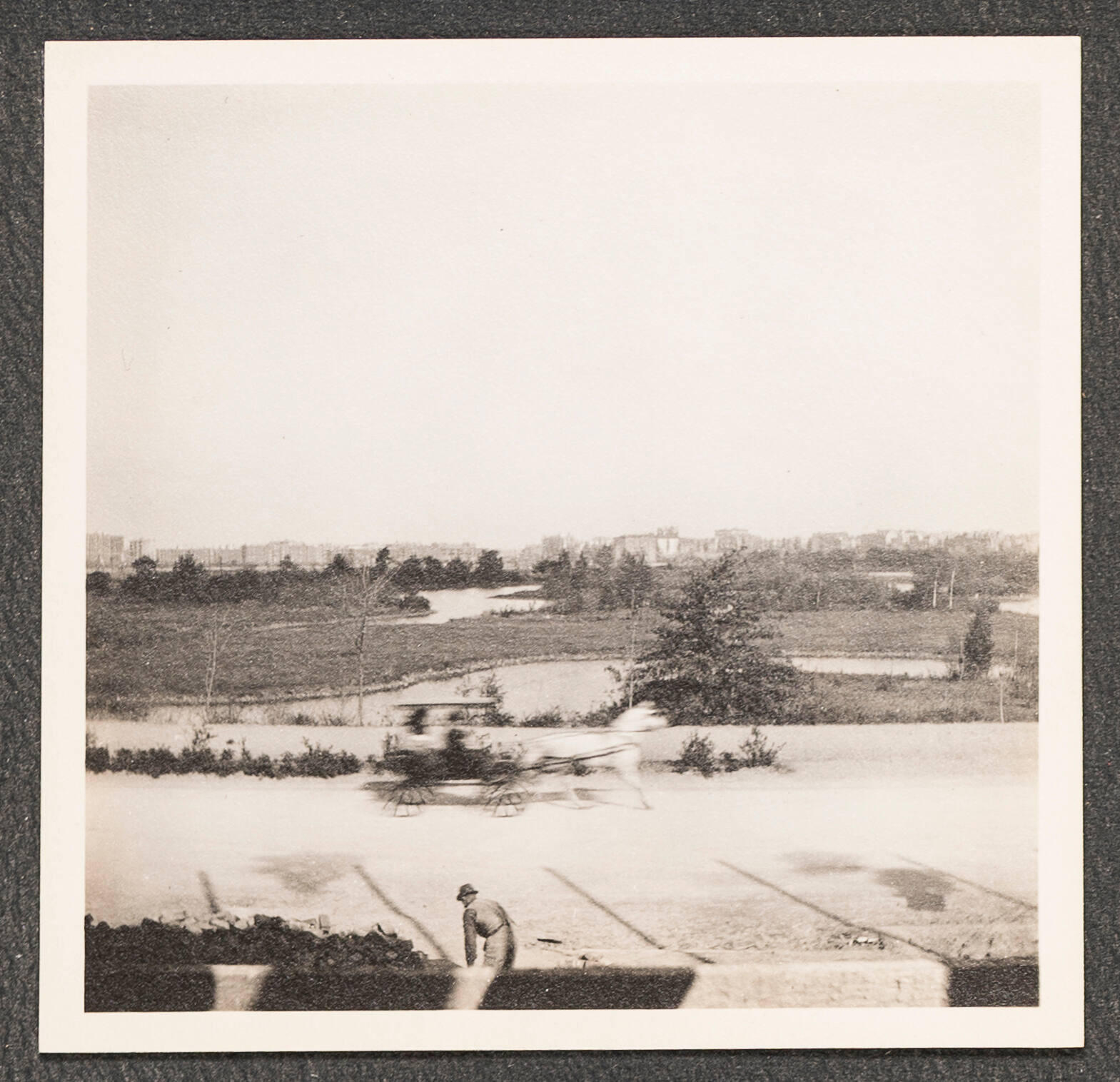
In 1902, when Isabella Stewart Gardner recognized the necessity—and the value—of documenting her museum and its extensive holdings, she was already well equipped to judge the photographic expertise the task required. Years of collecting had accustomed her to receiving photographs of prospective acquisitions from art dealers, and she had corresponded frequently with her principal agent and confidant, Bernard Berenson, about the challenges of accurately photographing works of art. She was, in addition, an accomplished amateur photographer.
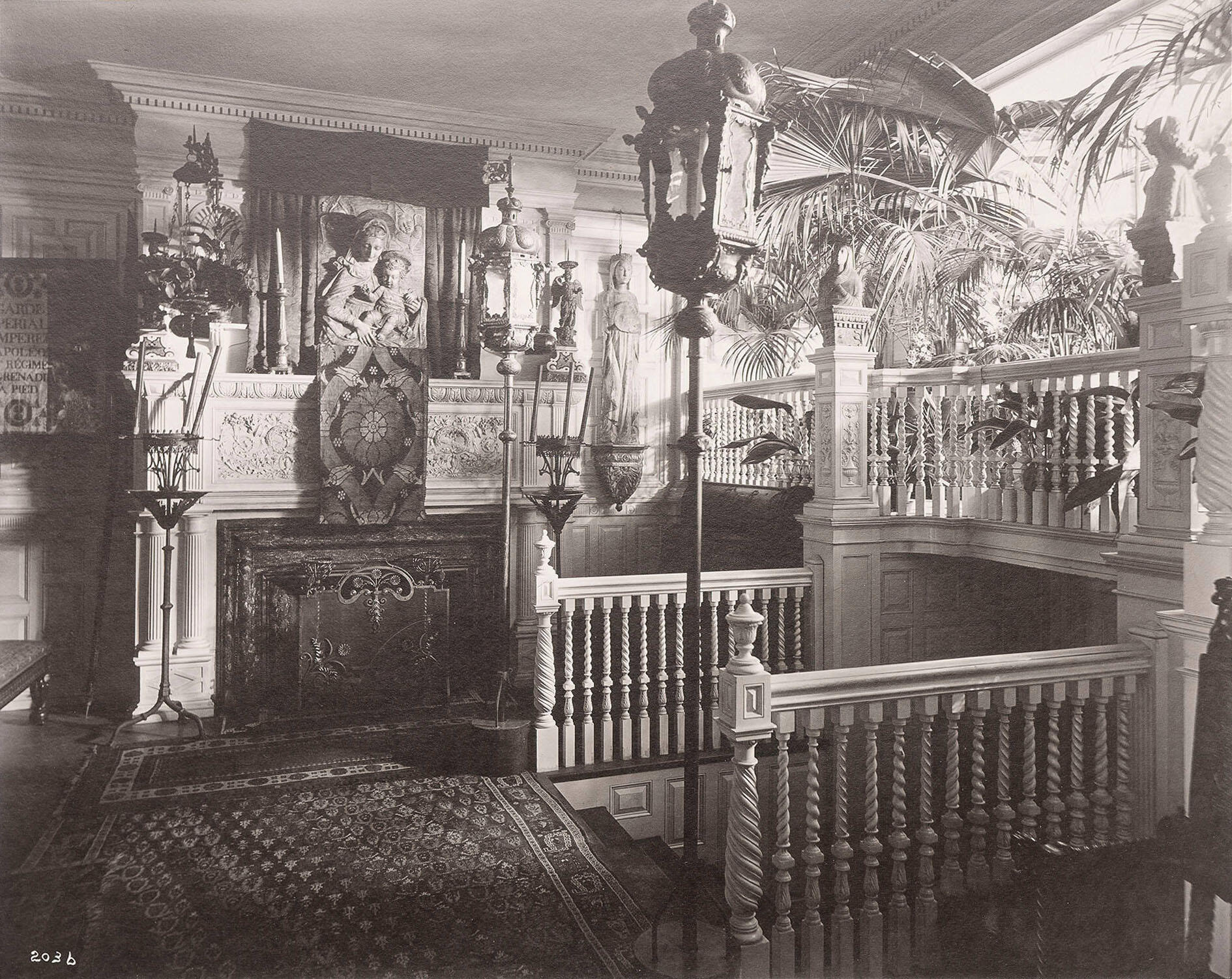
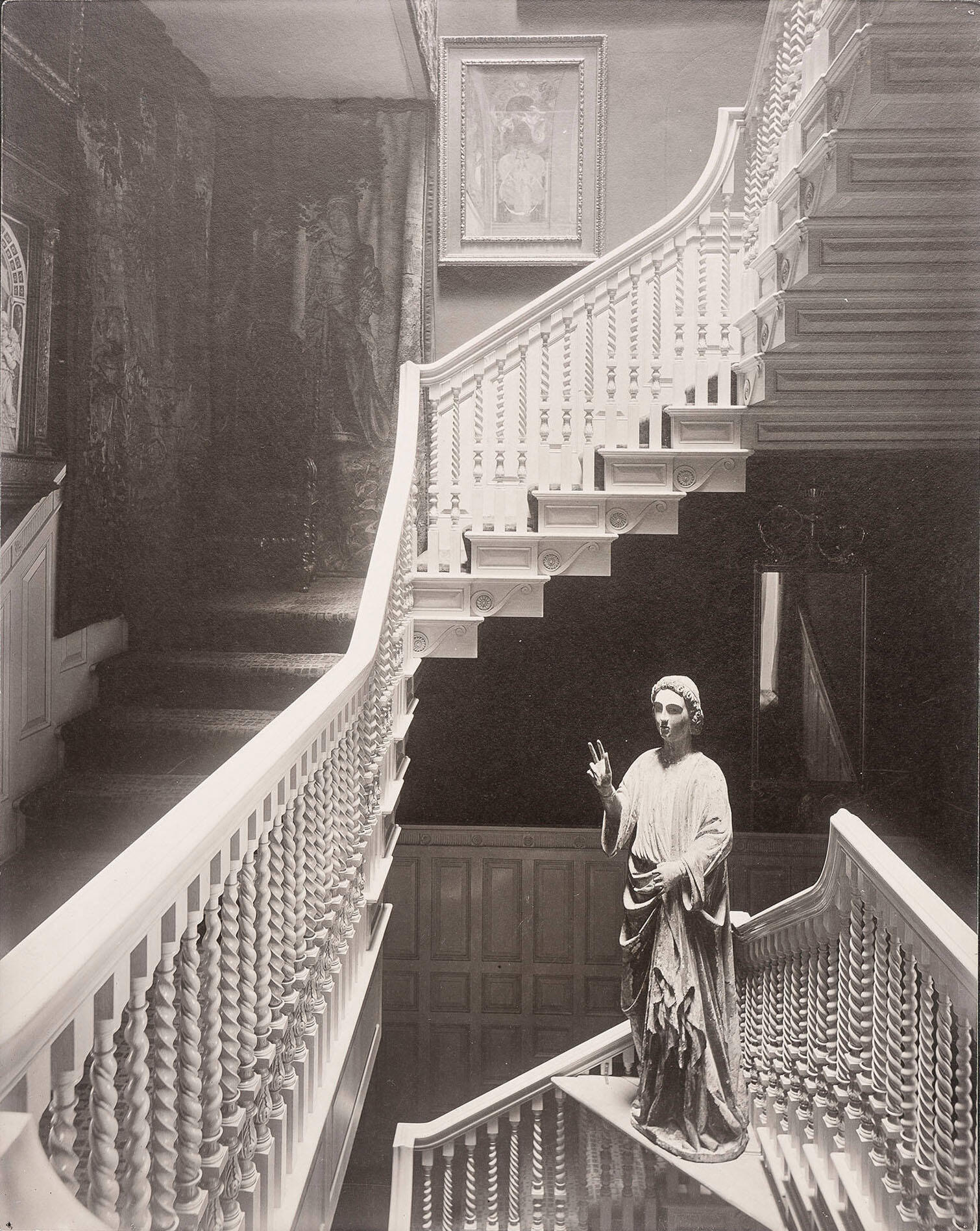
Although several Boston photographers were known for skillfully recording the homes and holdings of the affluent, Gardner chose Thomas Marr, appreciating both his compositional sensibility and his masterful command of photography. His photographs were made with an 8 x 10-inch view camera using glass dry-plate film and carefully printed on gelatin silver photographic paper. A variety of commercial glass‑plate emulsions were available at the time, each with its own characteristics and suited to different lighting conditions. To achieve excellent results, Marr chose his plates with care and would have shaped the final appearance of the photograph by adjusting not only the exposure but the development of both the negative and the final paper print. A testament to Marr’s photographic skill can be seen in his images of the Gardner Museum.
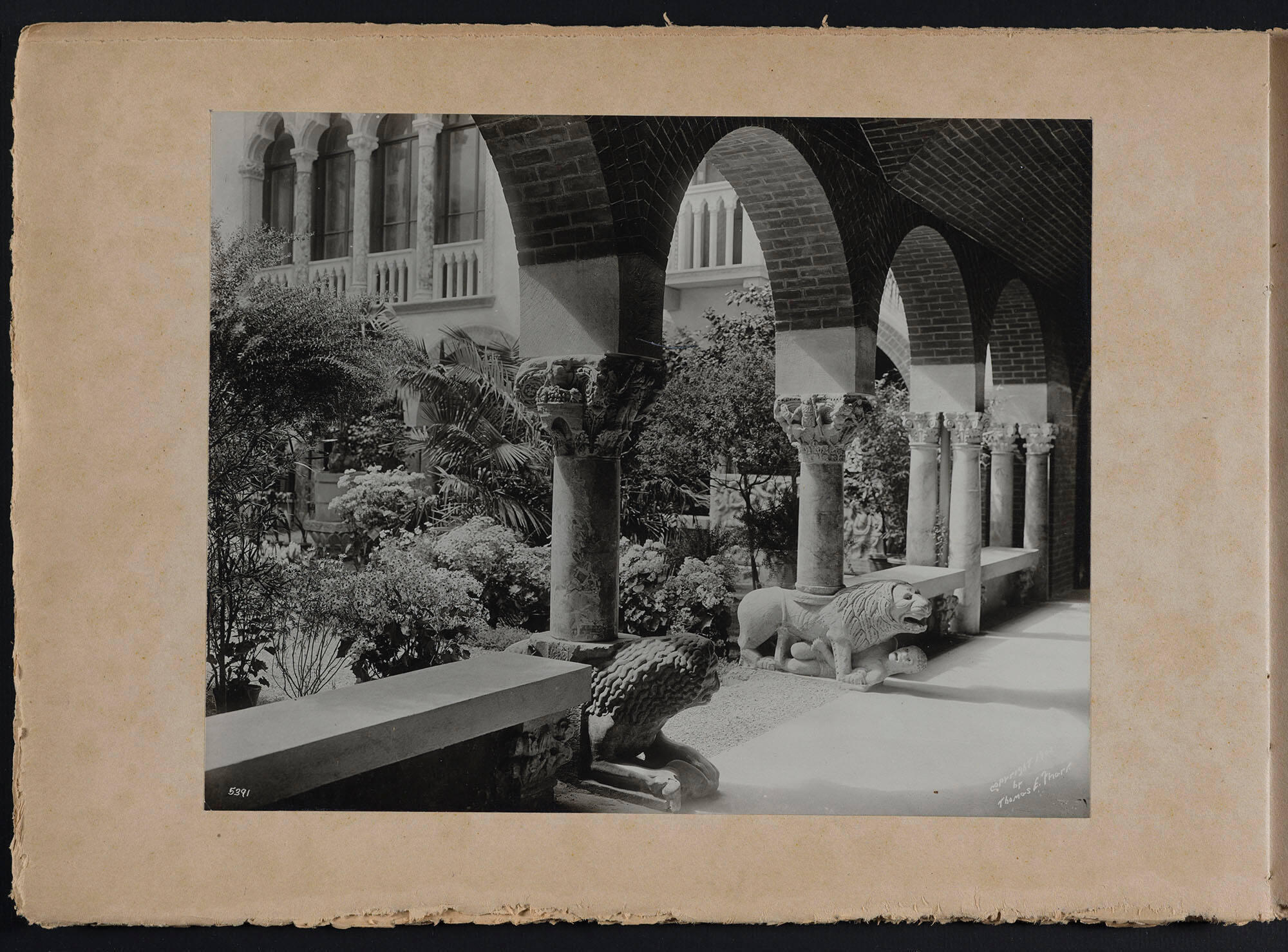
Isabella Stewart Gardner Museum, Boston (ARC.011022, Marr negative number 5391)
Thomas E. Marr (Canadian-American, 1849–1910), North Cloister, Isabella Stewart Gardner Museum, Boston, 1902. Gelatin silver print. This image demonstrates Marr’s exceptional command of photographic light, achieving a broad tonal range with remarkable detail in both highlights and shadow. Balancing such extremes was no small feat.
Who was Thomas Marr?
Born in Nova Scotia in 1849, Thomas Edgar Marr first appeared in Boston in 1871 and spent the next decade working in two of the city’s photographic studios. He then pursued traditional fine art—initially as a self-employed colorist for other photographers, and from 1884 to 1898 he was a portrait and landscape painter. In 1899, he shifted his business listing solely to “photographer,” a designation he retained for the remainder of his career.
When Mrs. Gardner first met Marr is unknown, although she may have been familiar with his work as a painter and photographer. Her home at 152 Beacon Street stood just across Boston Common from Tremont Street, where Marr maintained studios beginning in 1884. In 1900, Isabella first commissioned Marr to photograph Green Hill—the Gardner family estate in Brookline, Massachusetts—and her Back Bay residence on Beacon Street. The quality of these early commissions likely convinced her that he was the ideal person to document the museum.
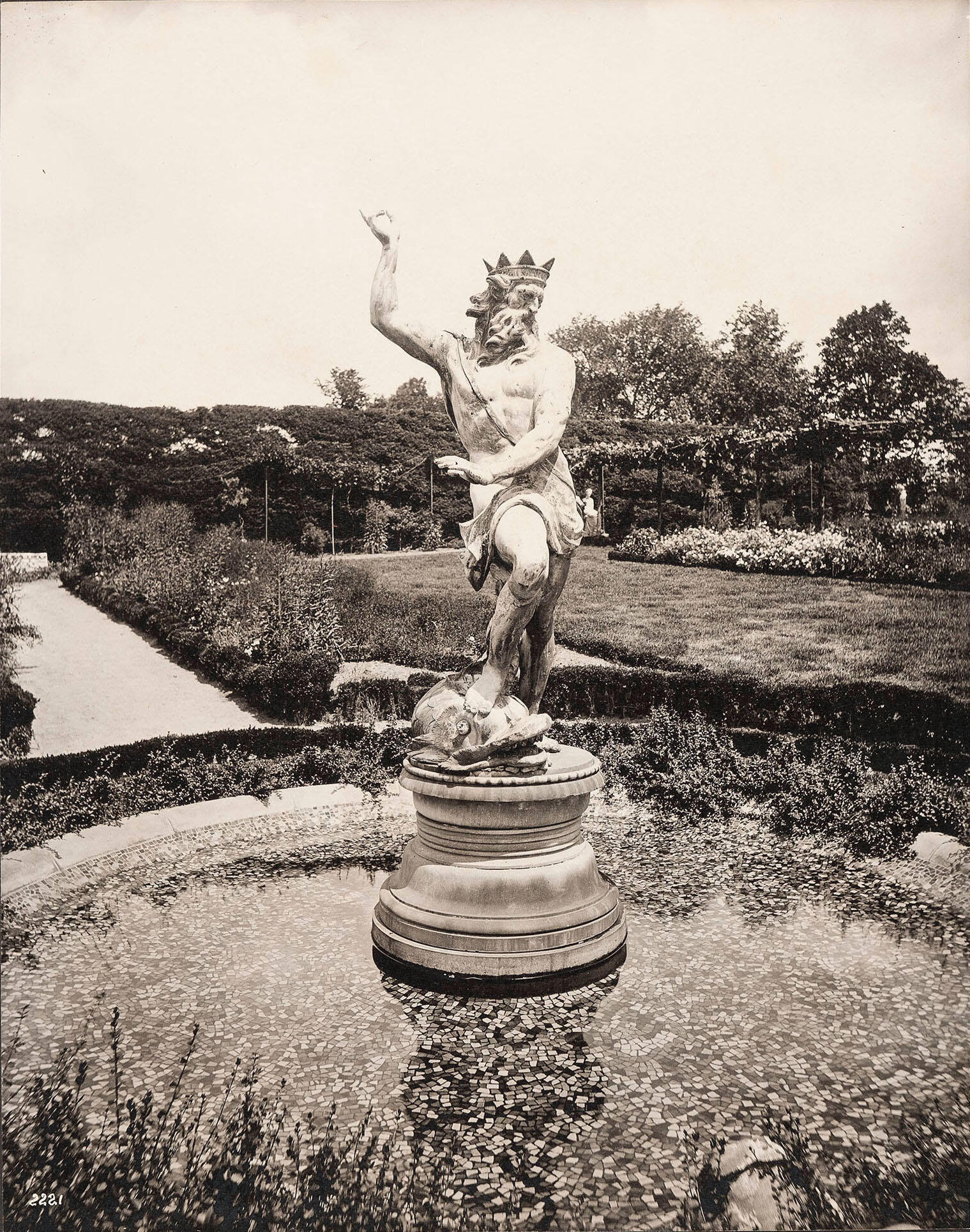
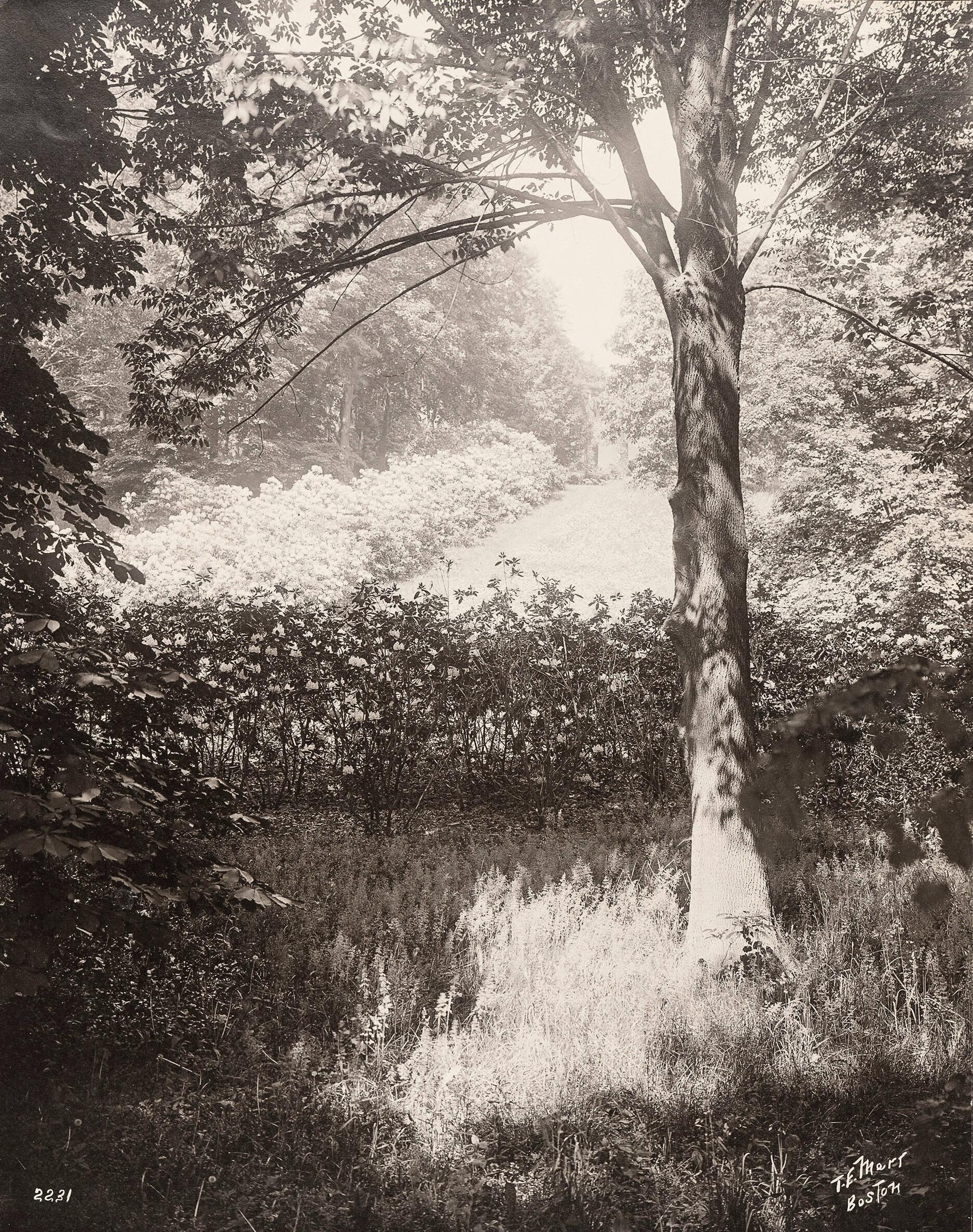
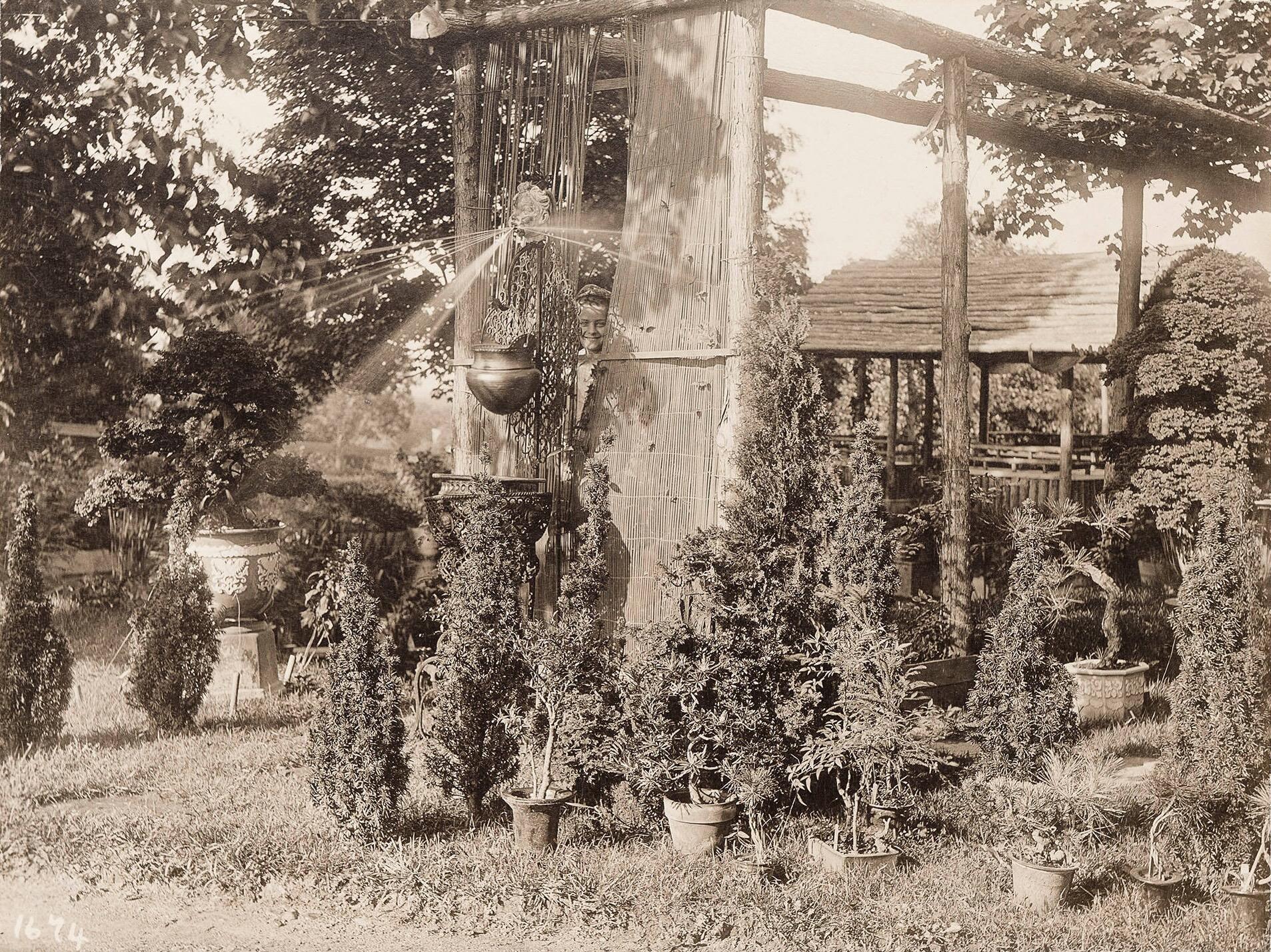
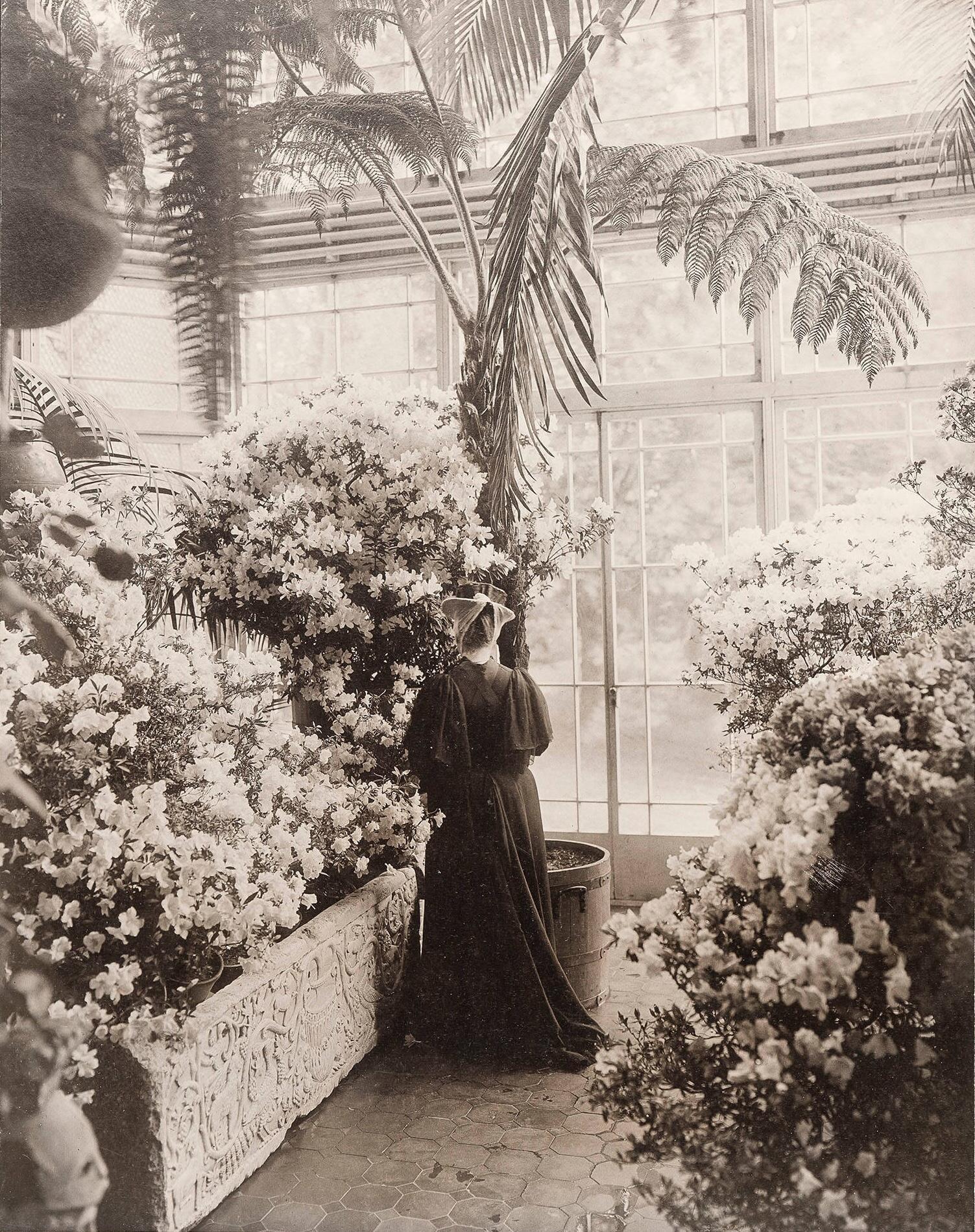
Thomas Marr and the Museum
Documenting the Museum was a monumental undertaking. From 1900 until his death in 1910, Thomas produced well over one hundred photographs of the Museum’s Courtyard, galleries, and works of art. After Marr’s death, his son, Arthur, continued the project under the name T. E. Marr and Son.
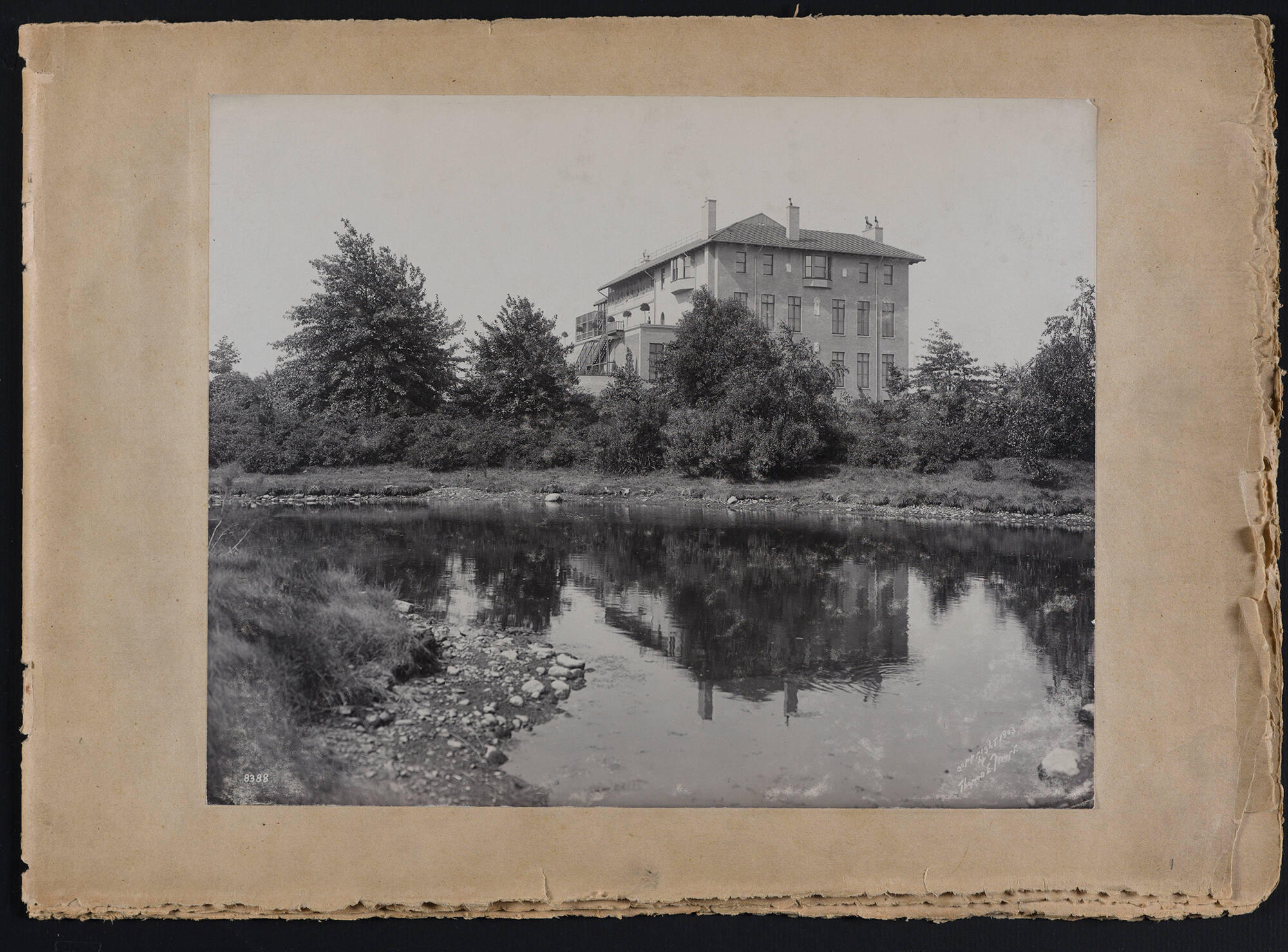
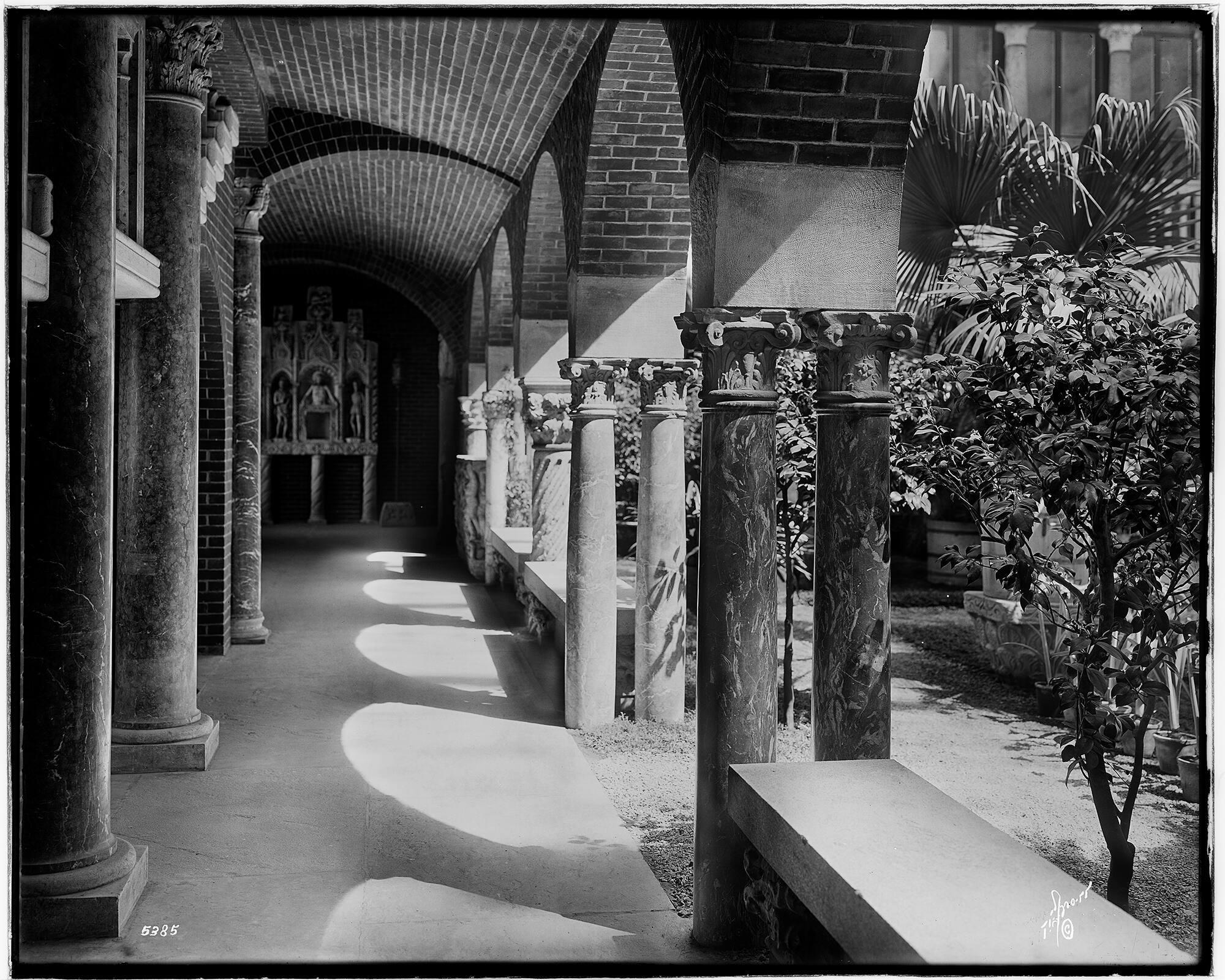
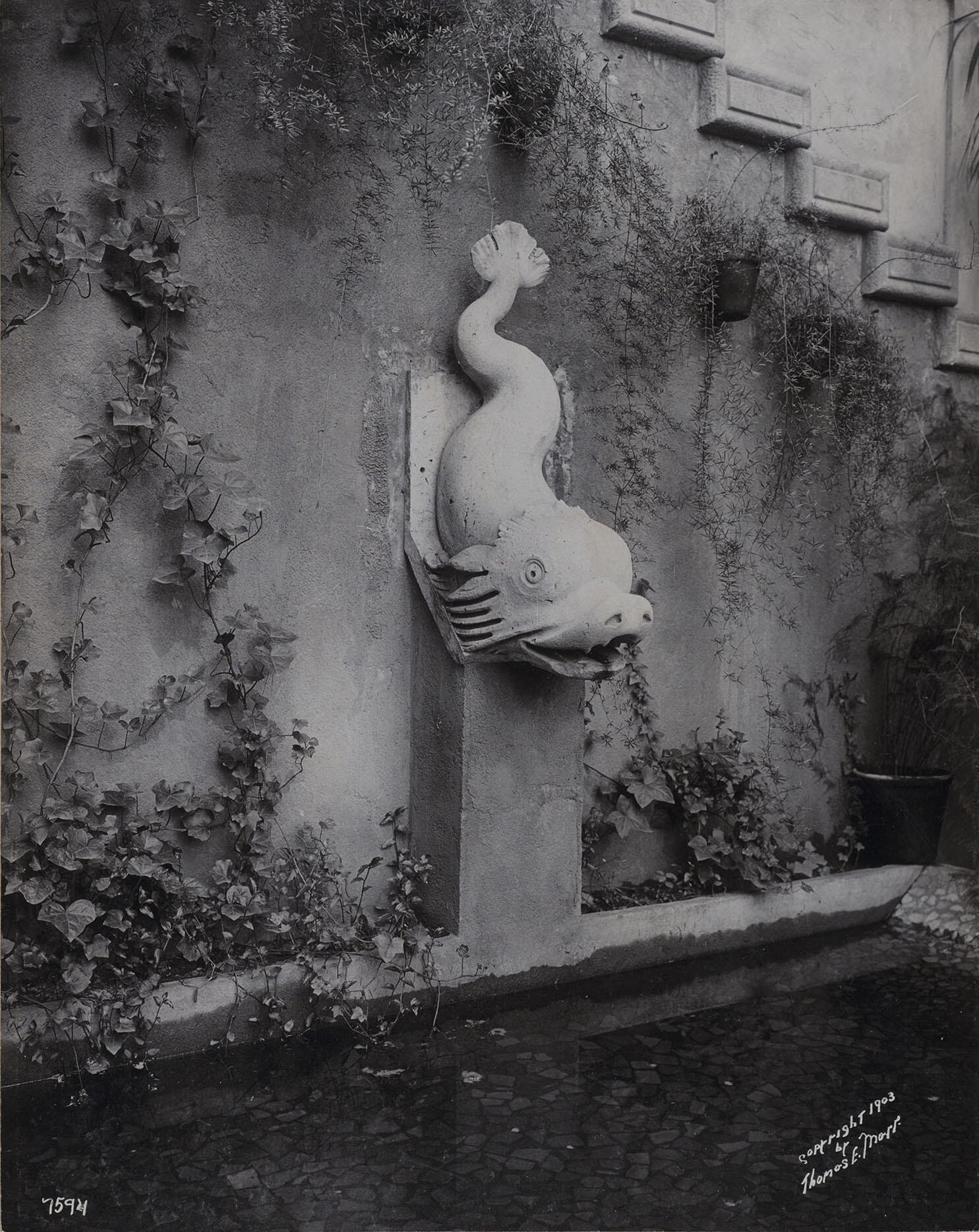
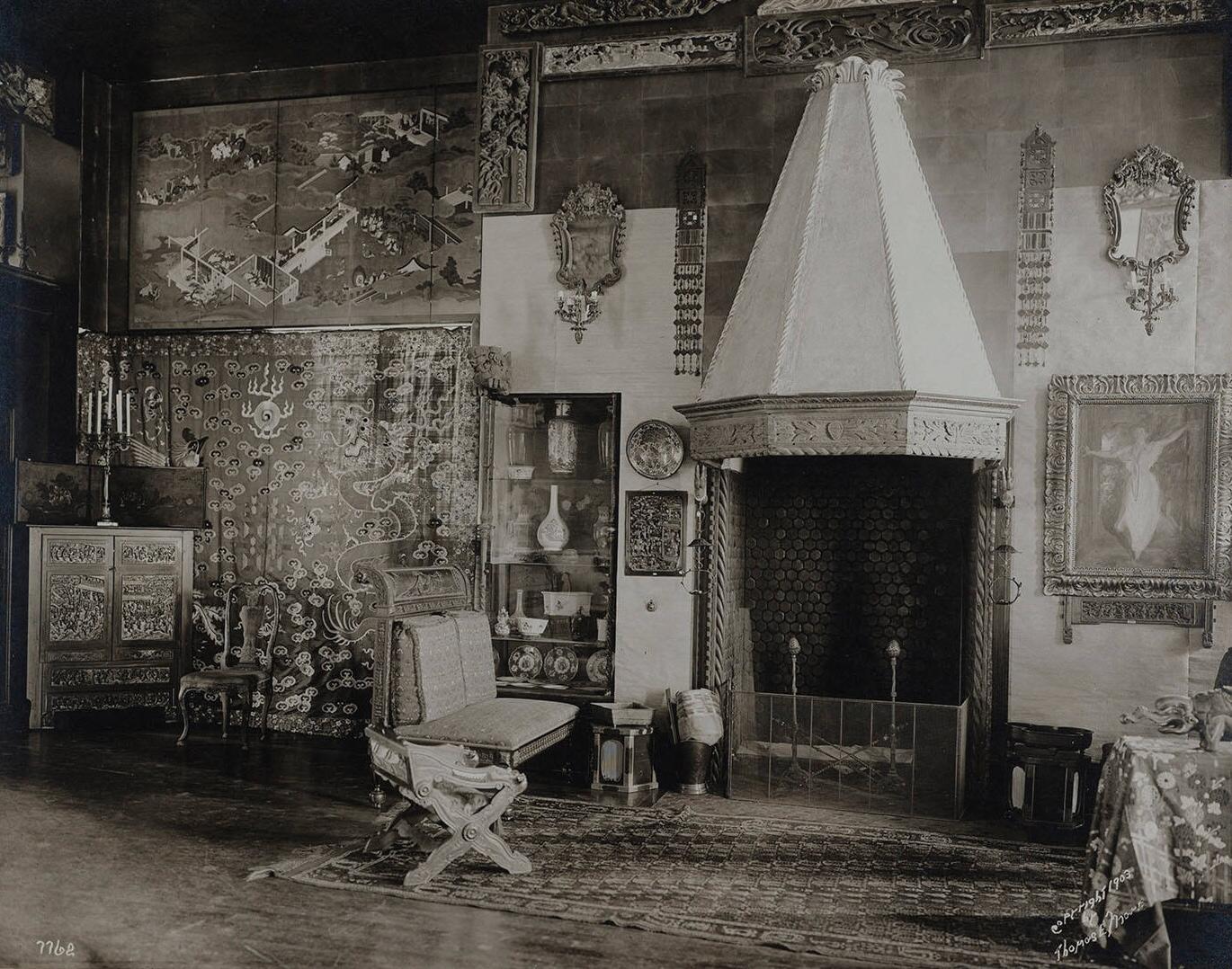
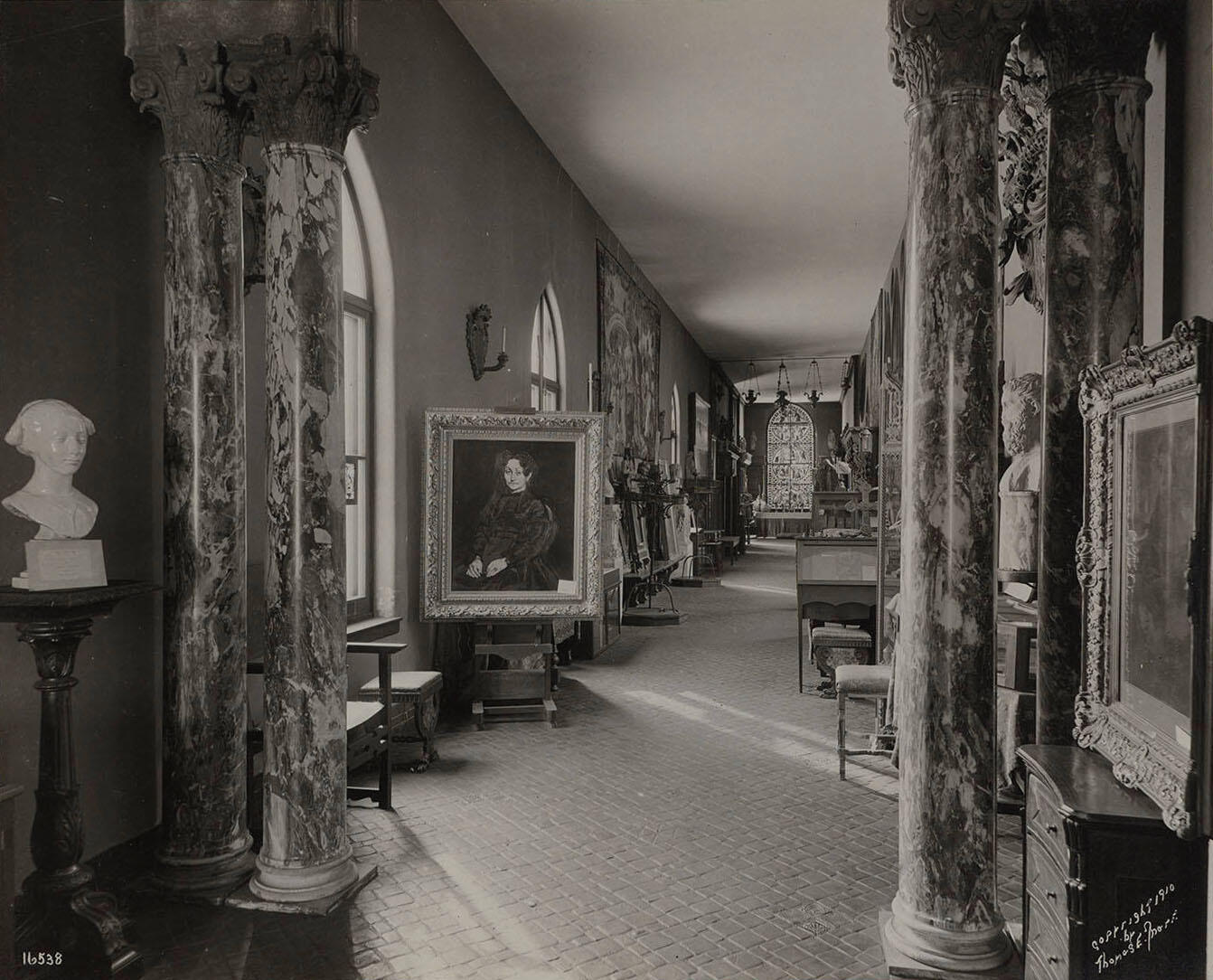
Tracing Thomas Marr’s working relationship with Mrs. Gardner is complicated by the absence of correspondence and written records. His meticulous practice of numbering, signing, and often dating his photographic negatives, however, provides a remarkably precise chronology of his work for Isabella.
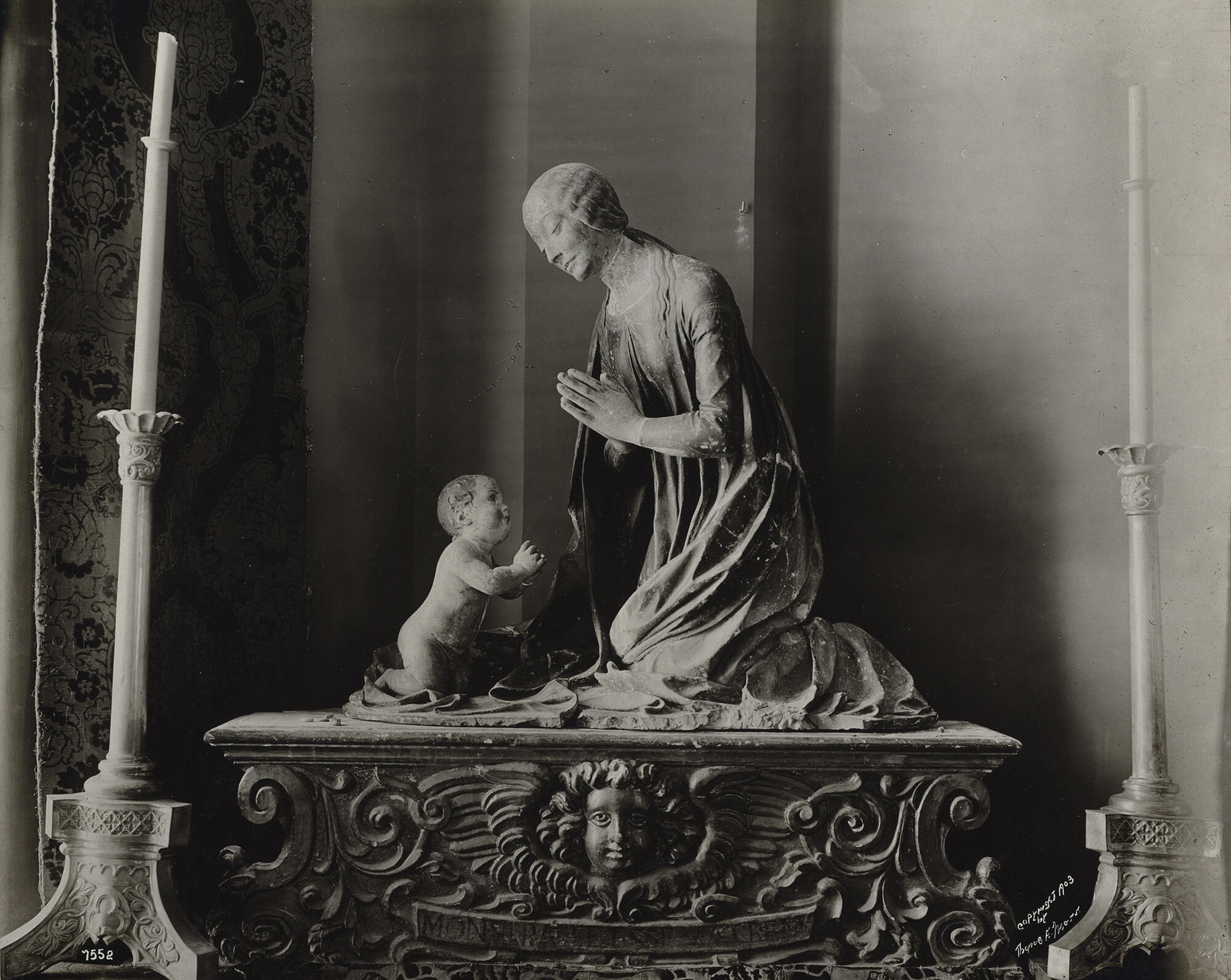
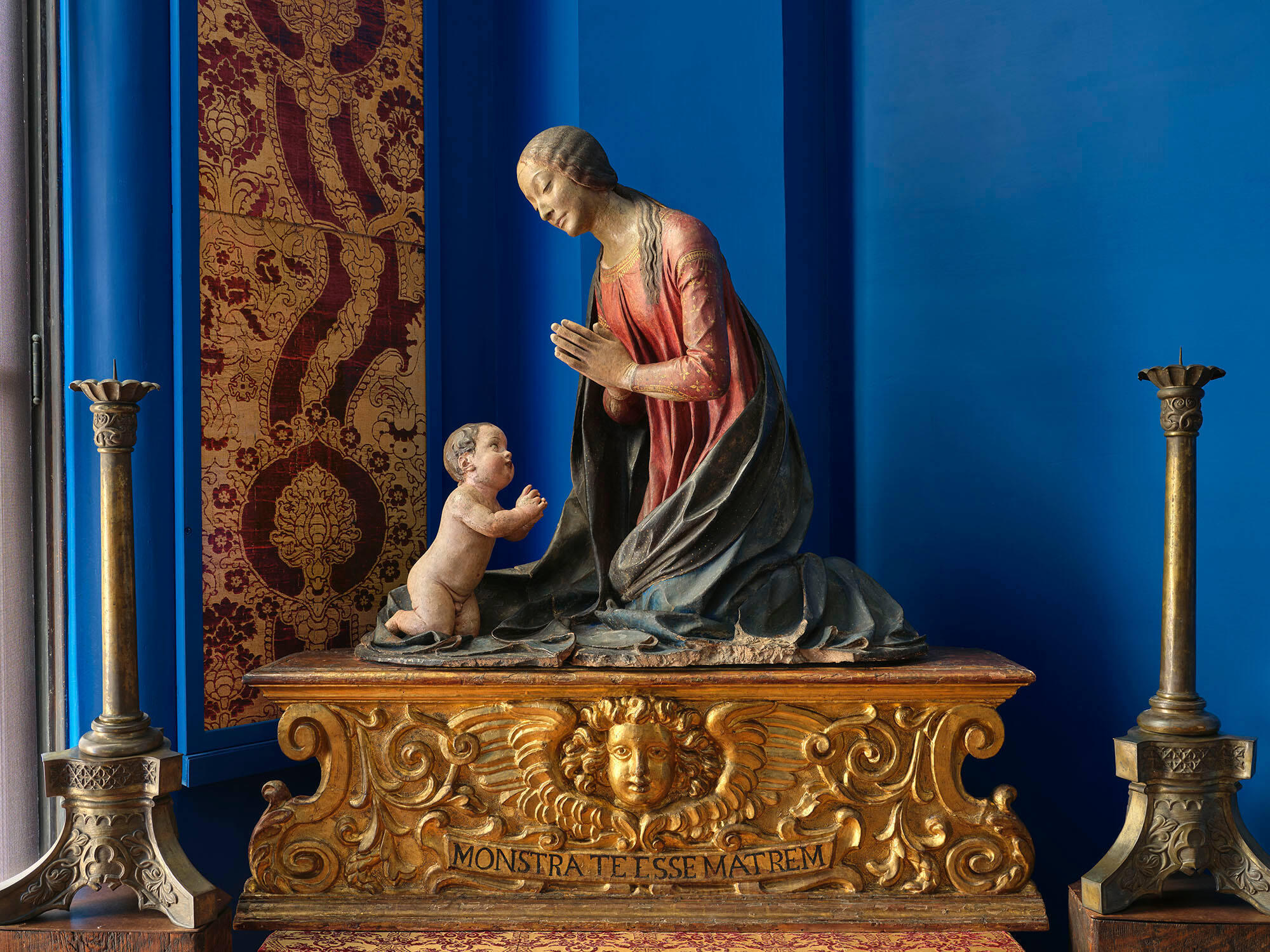
Isabella’s respect and admiration for Marr is evidenced by her stipulation that only his firm would be permitted to photograph the Museum and its contents. This allowed her to maintain careful control over what was documented and, perhaps more significantly, what was available for publication outside the Museum.
The most distinctive aspect of the agreement, however, allowed Marr to copyright all photographs of the Museum and its collection in his firm’s name. He also received exclusive permission to sell photographic prints and to operate a sales desk on the Museum’s premises. In return, he supplied Mrs. Gardner with prints for her personal use and paid her twenty‑five cents for each print sold.
Thomas Marr & Sons [sic, Son], 180 Tremont Street, have the sole right to photograph Fenway Court or any of the things belonging to it. It might be that at some future time some enterprising photographers might ask you for permission to photograph here and you would not know the previous arrangement with Marr.
Marr’s Legacy
After photographing the Museum for eight years, Thomas Marr became ill early in 1910 and died on May 5th. On May 9th, the Boston Globe wrote:
THOMAS E. MARR BURIED. Well-known Persons Send Floral Tributes
to Bier of Well-known Landscape Photographer.The funeral of Thomas E. Marr, known throughout the state as one of the best landscape photographers in this section of the country, was held yesterday afternoon at the home of his son, 16 Hiawatha Rd, Mattapan. Floral tributes were received, among others, from Thomas W. Lawson, Mrs. John L. Gardner, George Hascom, Dr. B. Wood, Andrew J. Loyd, Dr. Fred Webber and Dr. Fred Abbott. . . Burial, which was at Forest Hills, was private. [Oddly, there is no marker at the grave site.]
After Thomas’ death in 1910, his son, Arthur, maintained a photographic relationship with the Museum until 1932. The photographs by Thomas and Arthur Marr are among the most important resources for the Museum. In addition to their beauty, they help us understand Isabella’s curatorial practice.
For a more immersive look at Thomas and Arthur Marr’s work, explore The Gardner's Collection and use the “Artist” filter to locate entries for Marr, Thomas E., and Marr, Arthur E.
This essay is excerpted from the author’s monograph, T. E. Marr (& Son). Isabella Stewart Gardner’s Photographers—and More. Their Lives, Their Work, Their Photographic Techniques (Waltham, MA: Photographic Historical Society of New England, 2021) which is available for purchase at Gift at the Gardner.
You May Also Like:


Blog
Meet Isabella
Isabella Stewart Gardner