The Book of Esther
in the Age of Rembrandt
August 6, 2026 - January 18, 2027
Hostetter Gallery
About the Exhibition
The Book of Esther in the Age of Rembrandt illuminates how the ancient story of a Jewish heroine became a source of inspiration for people across faiths in the 17th-century Netherlands.
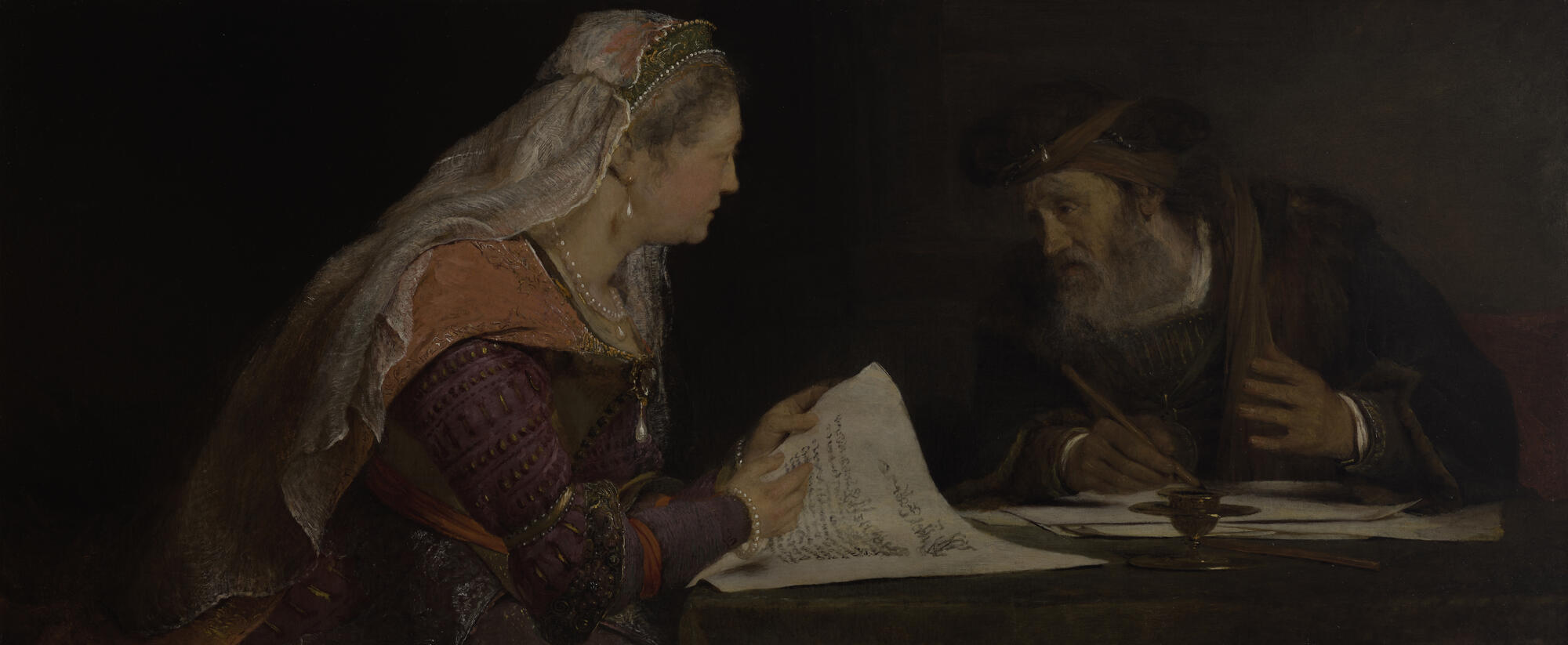
The biblical book of Esther, read annually on the Jewish holiday of Purim, tells the story of how an orphan became a queen and how a queen saved her people. Plucked from obscurity for her beauty and chosen as the new wife of Persian monarch Ahasuerus, Esther hid her Jewish identity until she had no choice but to risk her life and reveal her origins in order to rescue her people from destruction. But how did an ancient Jewish heroine become a symbol of national identity in the Christian Netherlands of the 1600s?
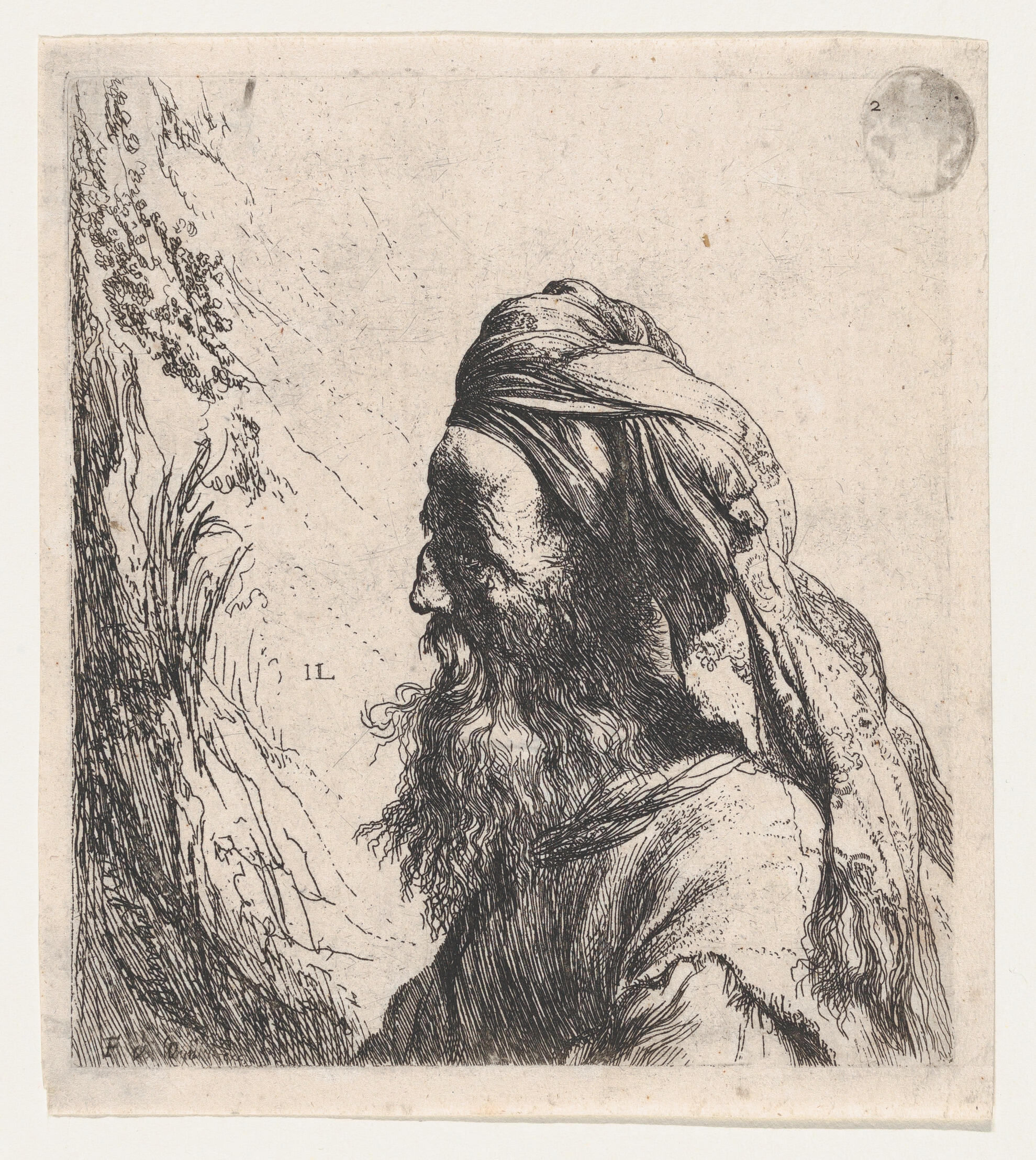
The Book of Esther in the Age of Rembrandt explores how this story was a source of cross-cultural inspiration for Jewish and Protestant communities in the nascent Dutch Republic. Once freed of Spanish Catholic oppression, the Netherlands was a flourishing center of global trade and cultural exchange. Its cosmopolitan capital, Amsterdam, was home to artists such as Rembrandt van Rijn (1606–1669) as well as Jewish immigrants who were his neighbors and models.
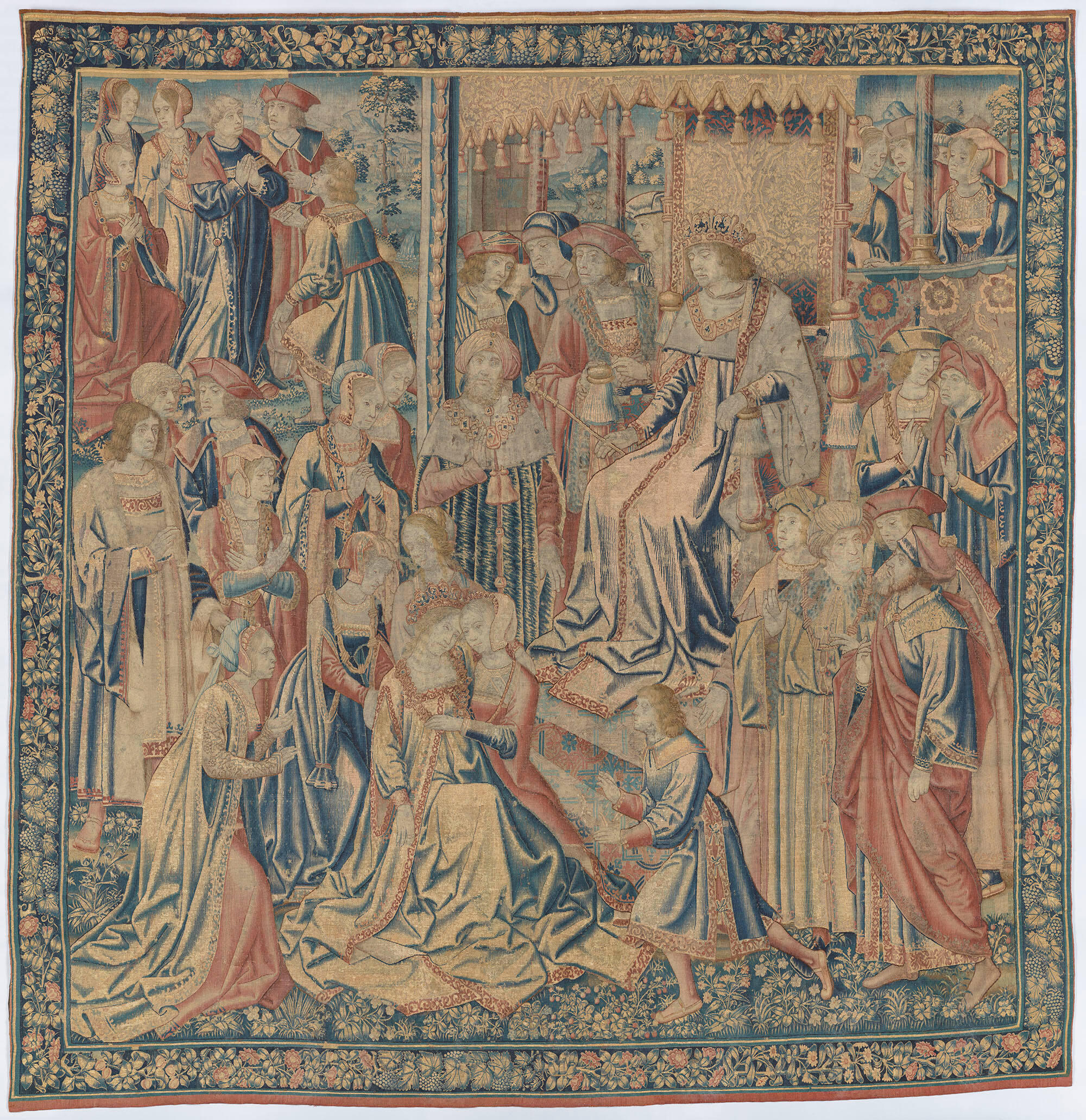
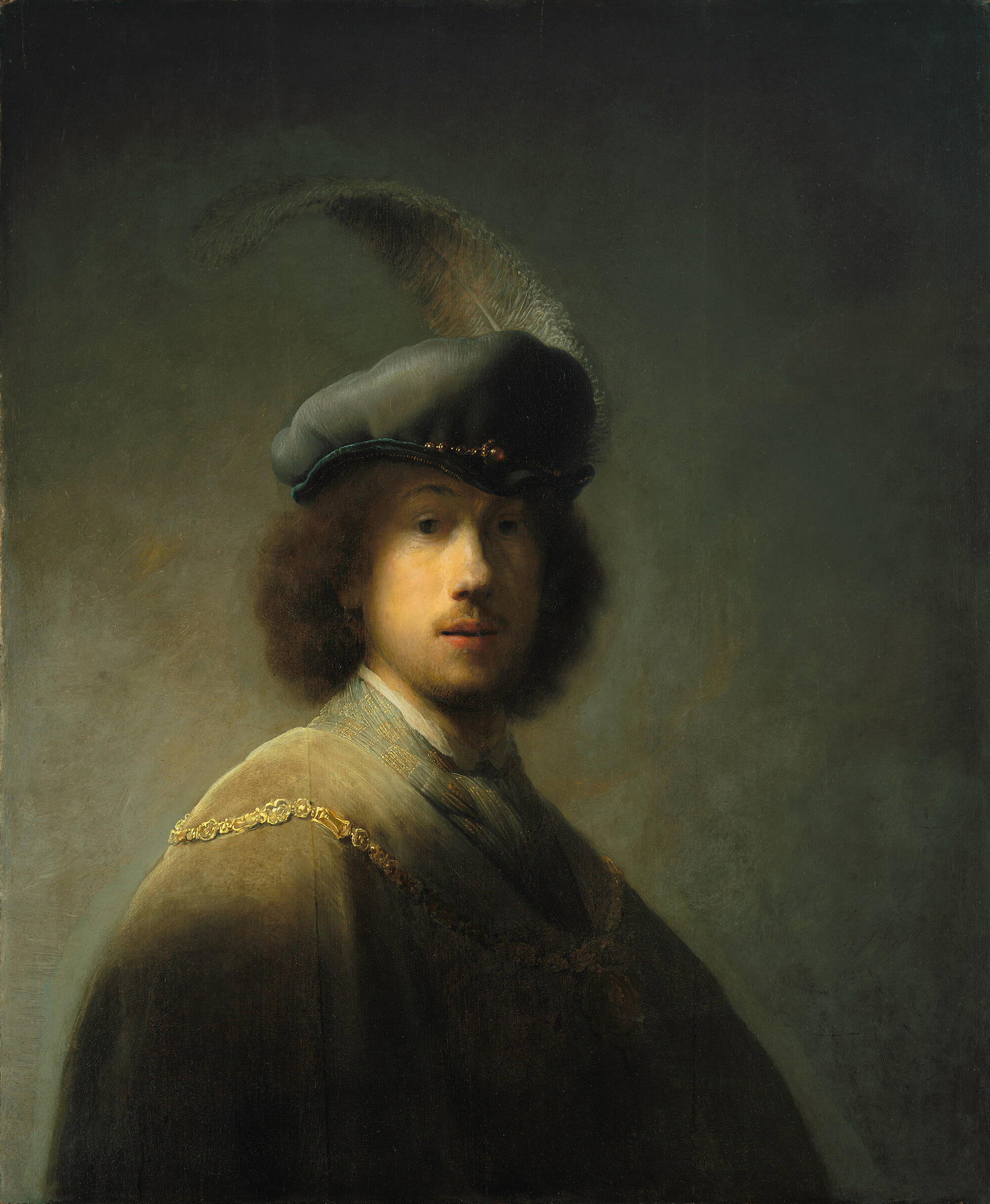
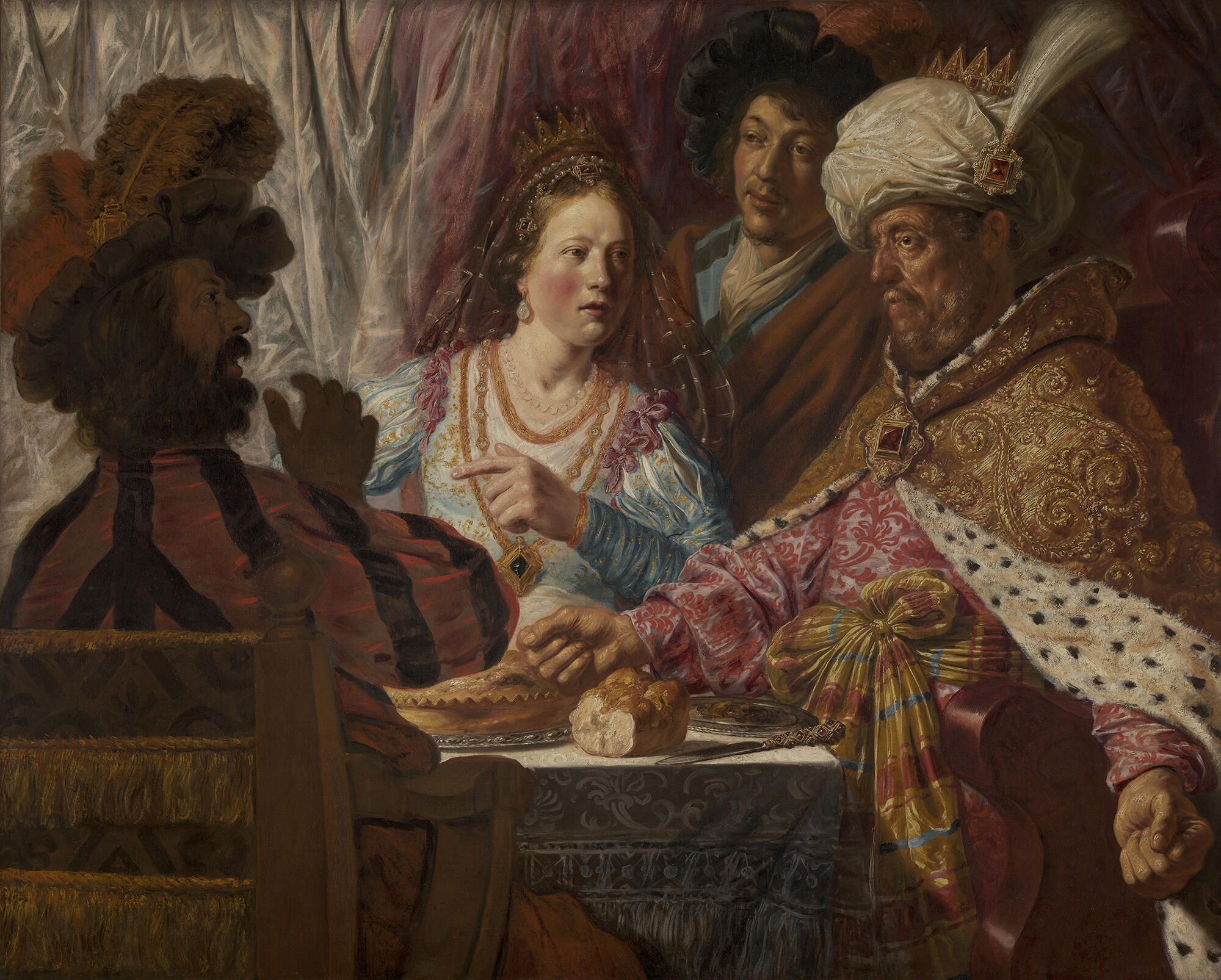
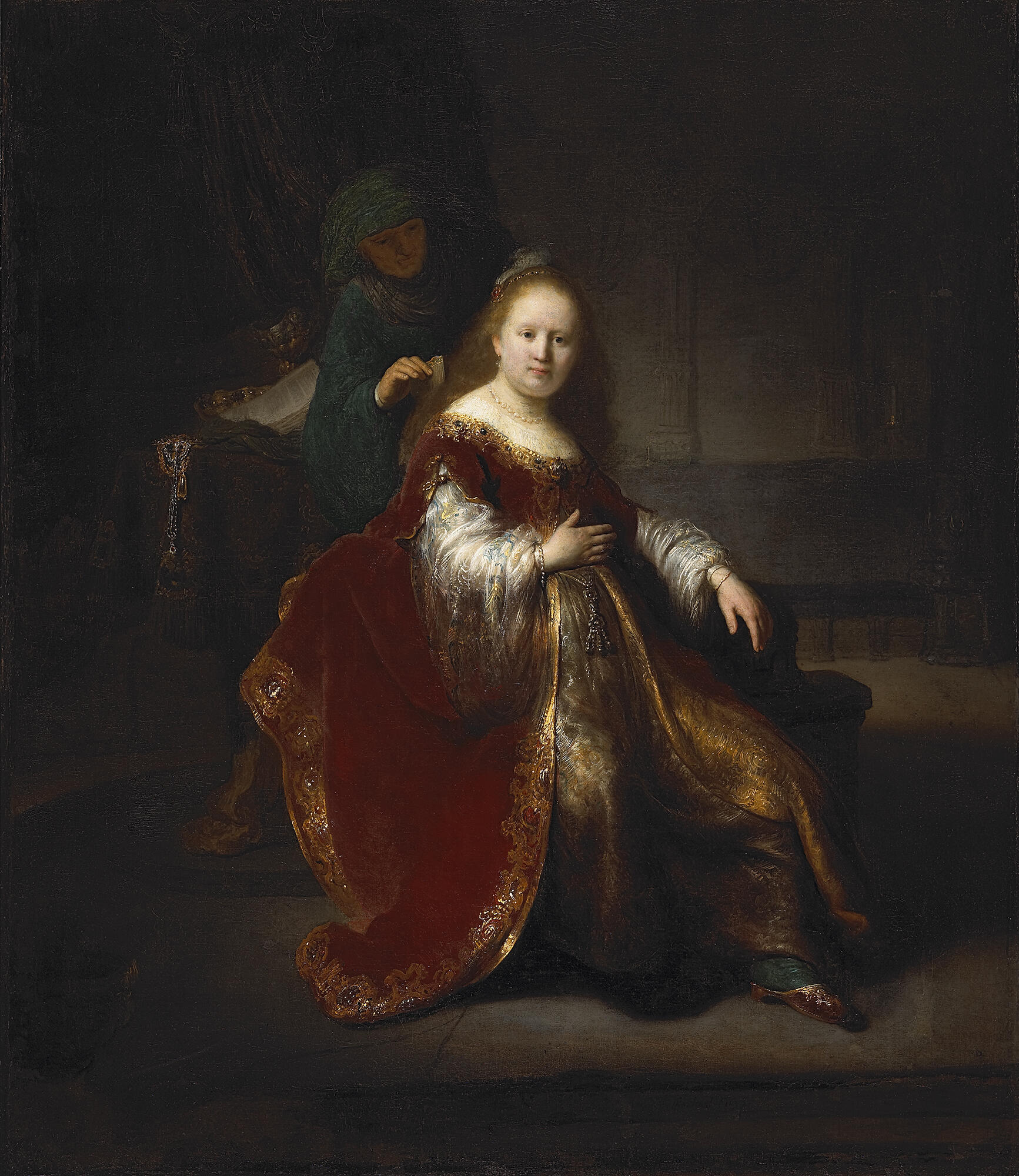
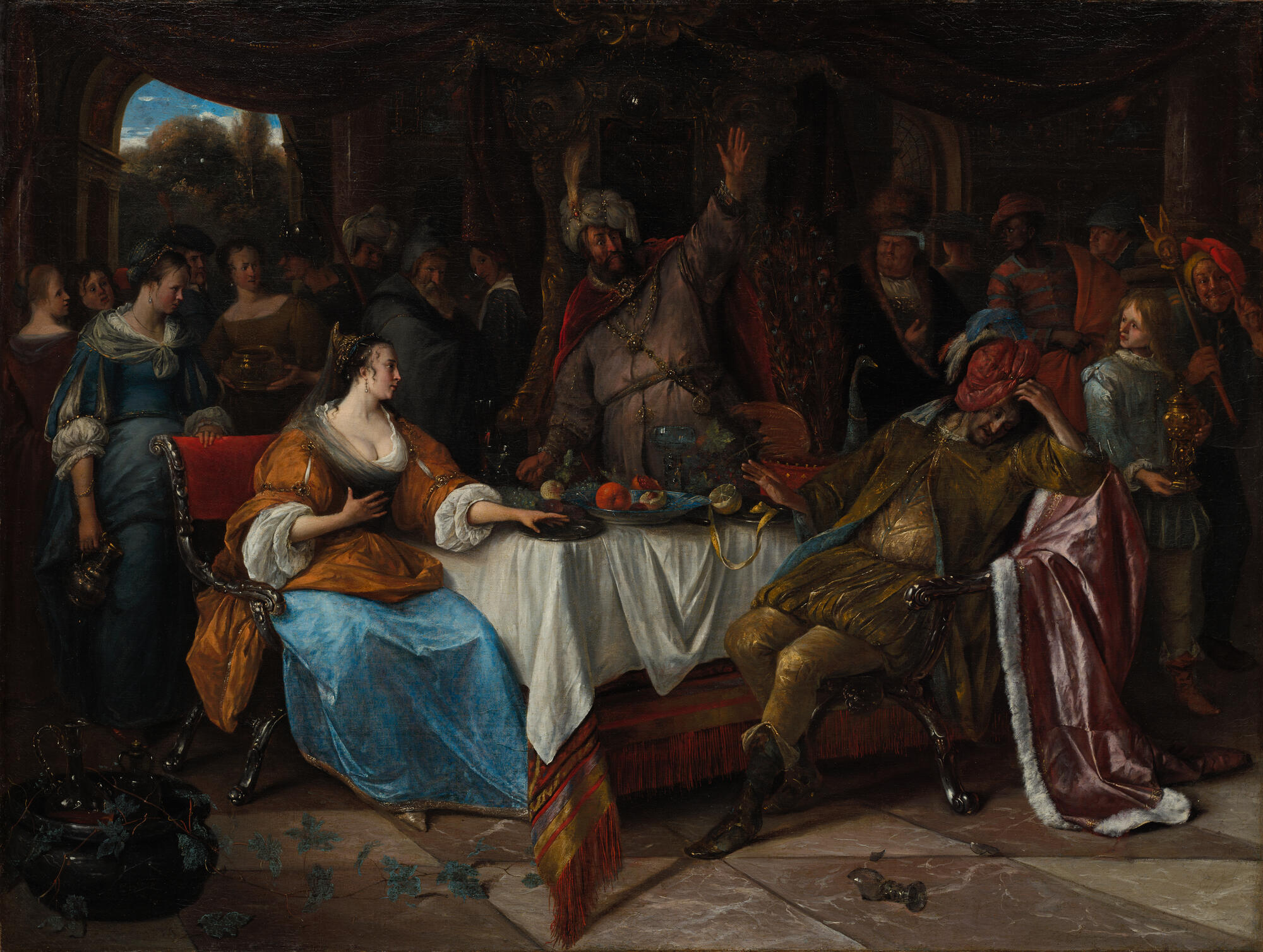
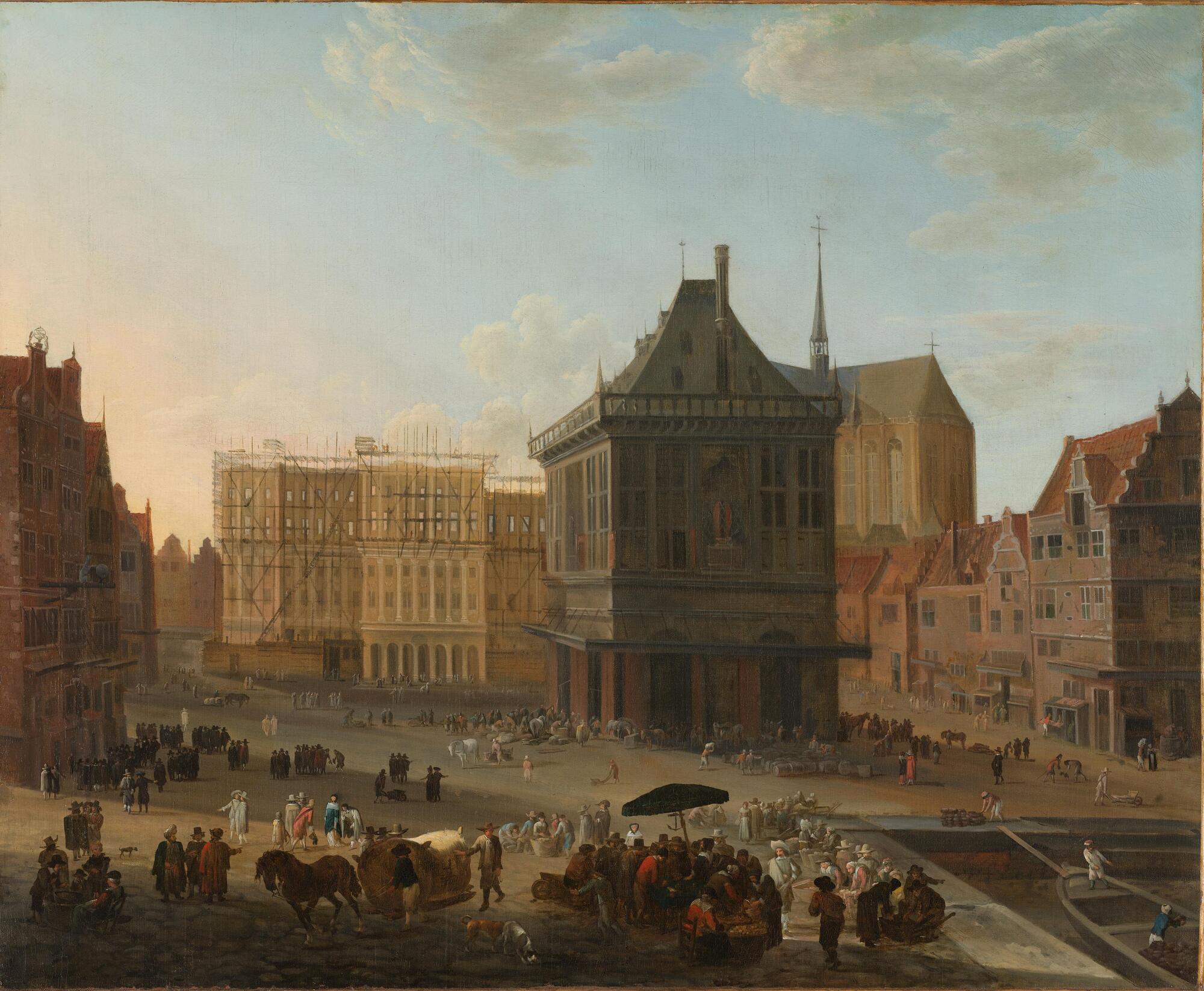
For Jewish communities in the Netherlands, celebrating Purim became a meaningful expression of Jewish culture and a new ability to practice their religion openly. Dutch Protestants saw in Esther a mirror of themselves in their fight for independence from Catholic Spain. At the same time, the vibrant, growing Jewish community in Amsterdam and expanding trade contacts with the Middle East fueled interest in Esther and the lush, imagined Persian world she inhabited. Her visually rich story became an intriguing and repeated subject for Rembrandt and other artists of the period.
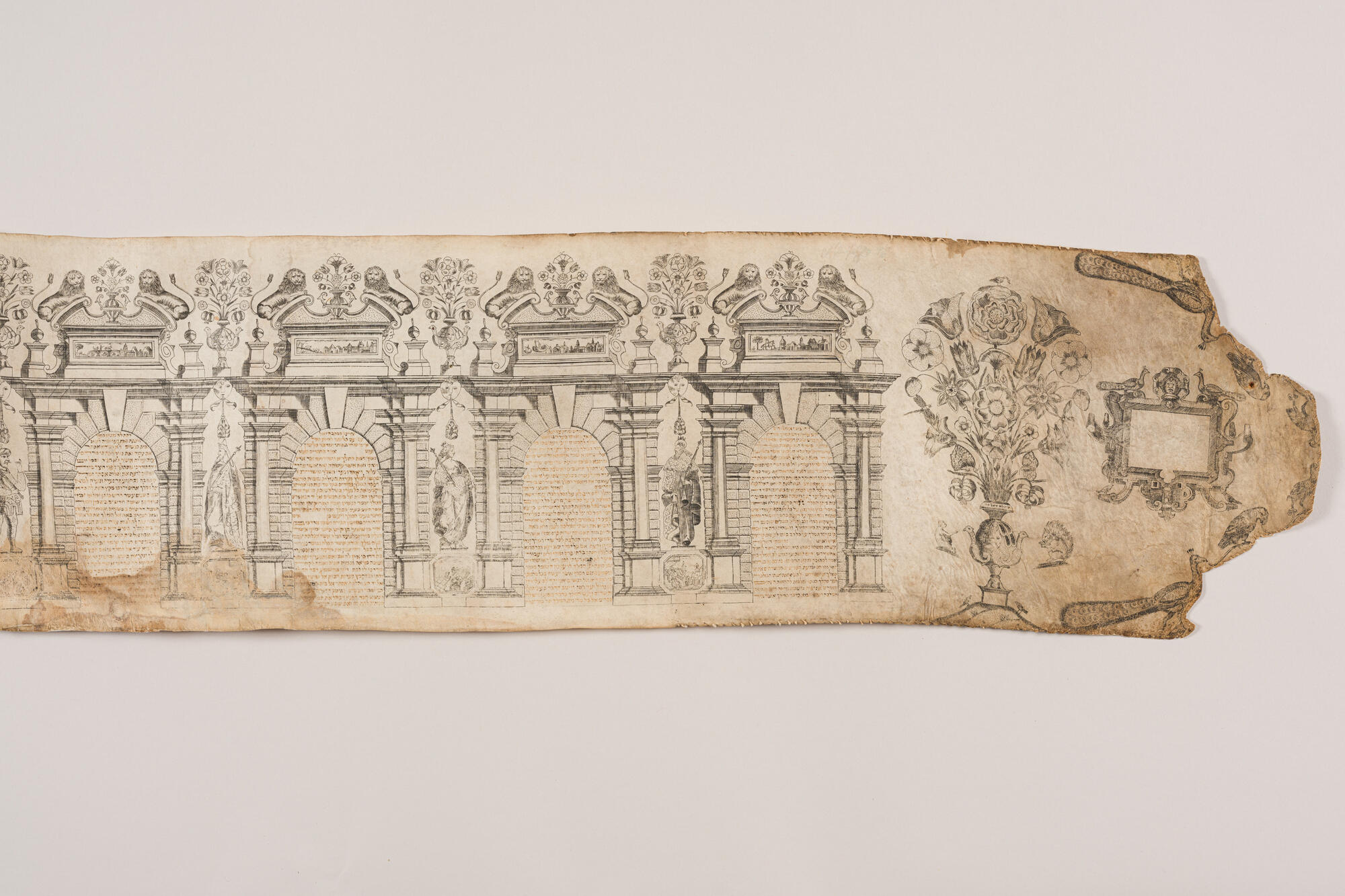
The Book of Esther in the Age of Rembrandt is the first major exhibition of 17th-century Dutch art at the Gardner. Through an array of Dutch paintings, tapestries, decorative arts, as well as Persian textiles and Jewish ceremonial objects, the exhibition shines light on the ways in which one heroine’s bravery has inspired people across time and faiths.
The exhibition is curated by Abigail Rapoport, Jack, Joseph and Morton Mandel Curator of Judaica, Jewish Museum, in partnership with Michele L. Frederick, Curator of European Art and Provenance Research, North Carolina Museum of Art.
Related Exhibitions and Programs


Empathy and Exoticism: Rembrandt’s Multicultural Society
Calderwood Hall
October 15, 2026
7 - 8:30 pm
Suggested Reading


Special Publication
Rembrandt’s Self-Portrait
By Nathaniel Silver, Museum’s Associate Director and Chief Curator, along with Associate Paintings Conservator, Lucia Bay.
The Book of Esther in the Age of Rembrandt is co-organized by the Jewish Museum, New York, and the North Carolina Museum of Art, Raleigh.
Generous support for the exhibition at the Isabella Stewart Gardner Museum is provided by Barbara and Amos Hostetter, The Richard C. von Hess Foundation, an anonymous donor, Mark and Donna Leventhal Family (Donna Leventhal, Emily Leventhal & David Rontal, Sara & Peter Fleiss, and Rebecca Leventhal), the Ford Foundation, and Amy and David Abrams.
The exhibition also received funding from Wagner Foundation, CANVAS, the Getty Foundation, The Beker Foundation, Lisbeth Tarlow and Stephen Kay, the David Berg Foundation, Dutch Culture USA, a program of the Kingdom of the Netherlands in the United States, The Andy Warhol Foundation for the Visual Arts, Diamond Charity Foundation, The Miriam Fund, Indian Point Foundation, Caron and Kevin Tabb, Artis, and Rita J. and Stanley H. Kaplan Family Foundation, Inc.
Additional support is provided by an endowment grant from the National Endowment for the Humanities and the Mellon Foundation.