
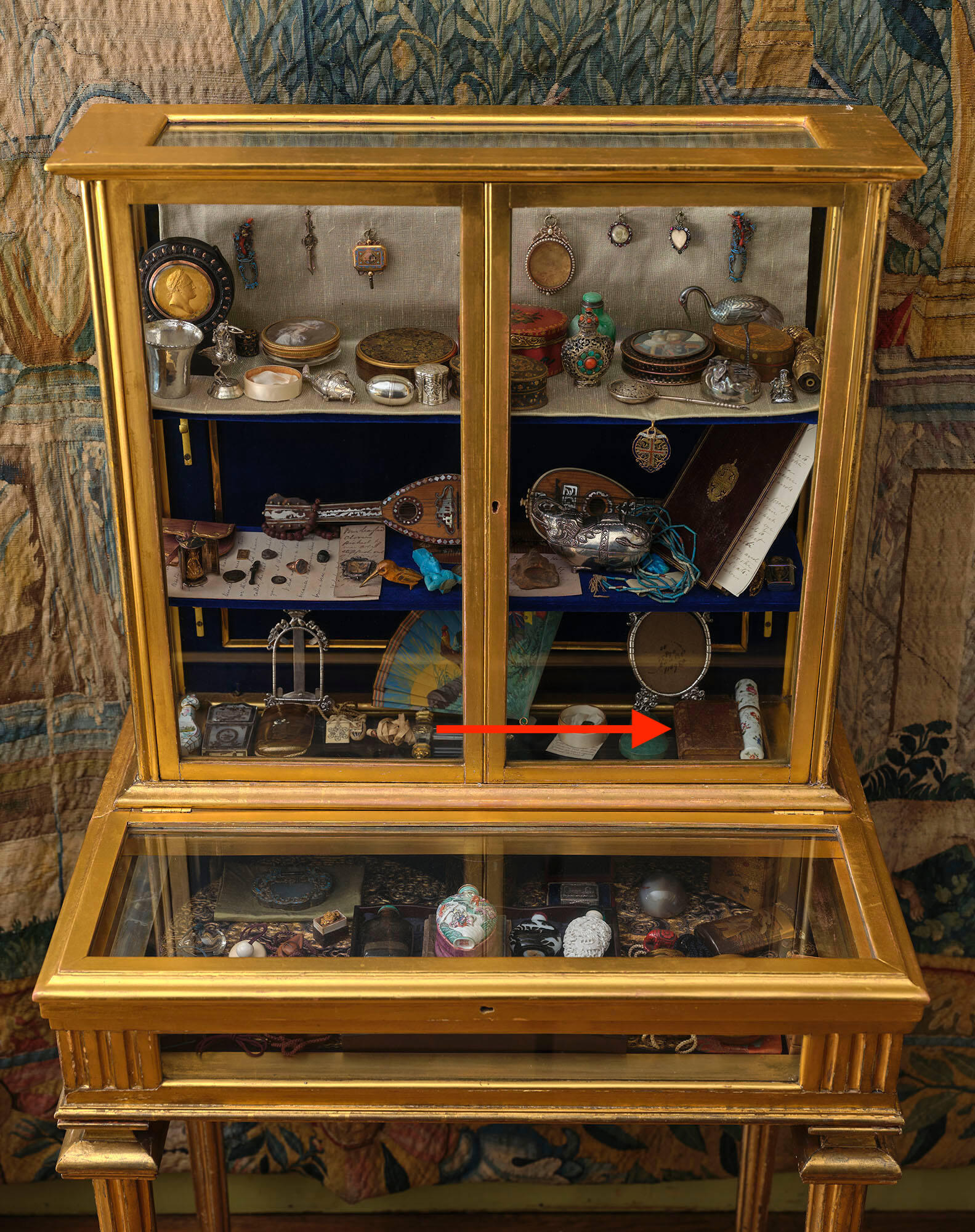
Isabella Stewart Gardner displayed a group of small, curious objects in a vitrine in the Little Salon including gifts from friends and travel souvenirs. One of these objects looks, at first glance, like a small book with a gilded leather cover, but inside is a delightful surprise.
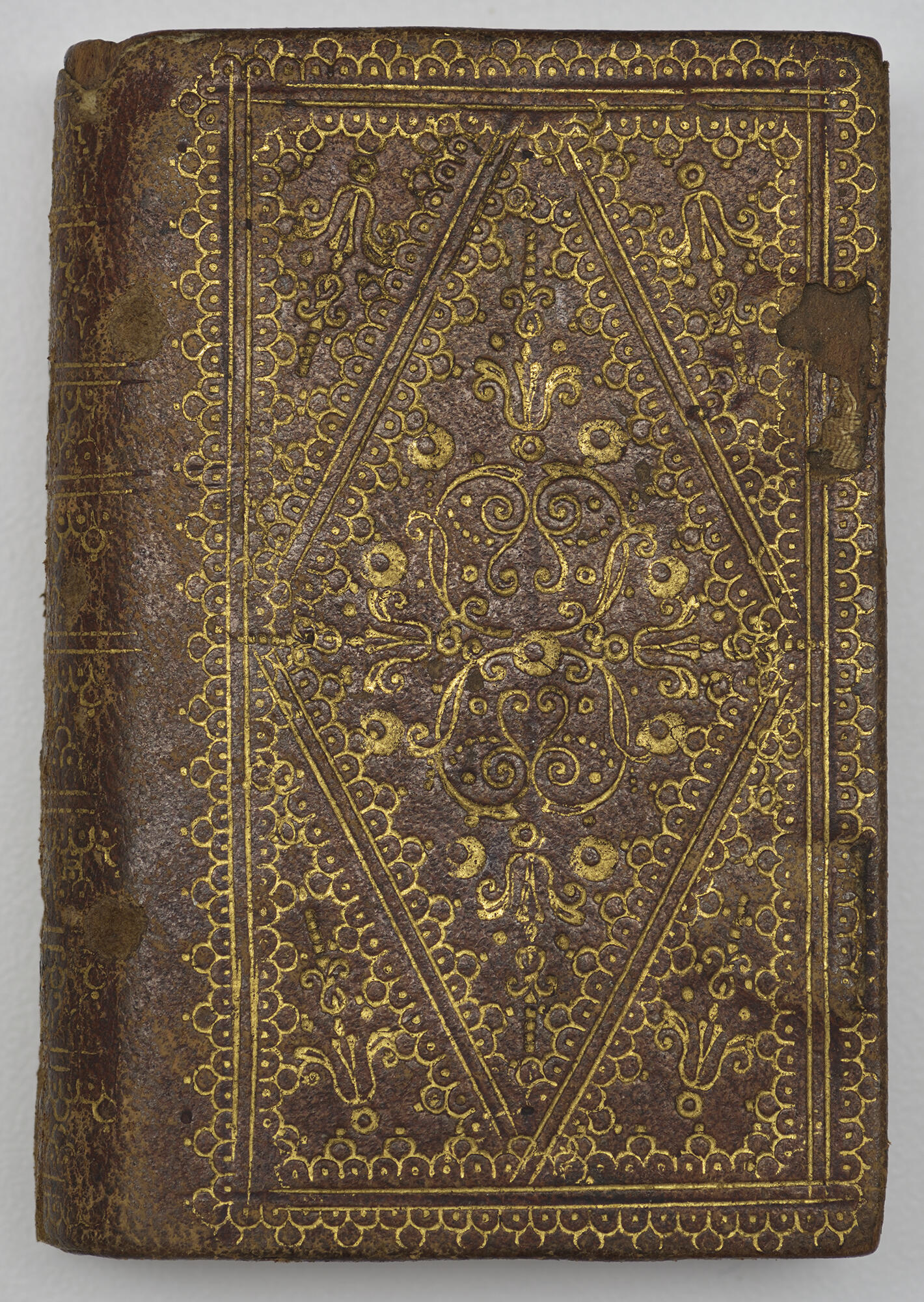
Inside the “book” are two oval compartments. In the left cavity sits a copper plate with a miniature half-length oil portrait of a young woman with brown wavy hair, pale skin, and a bare chest. Her narrow shoulders make her head seem almost too big for her petite frame. When removed from the cavity, the flat copper plate fits perfectly in the palm of your hand.
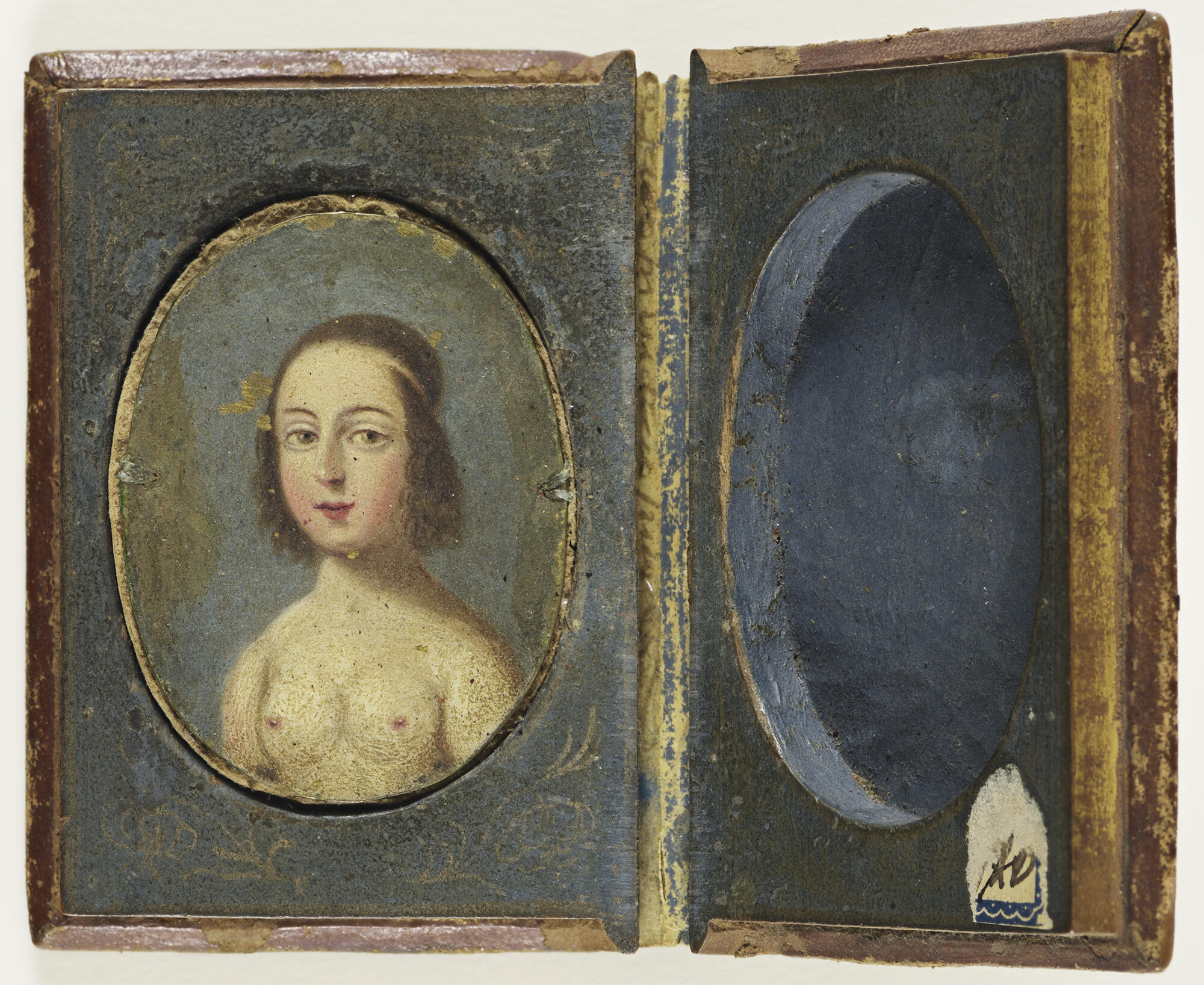
Isabella Stewart Gardner Museum, Boston (U18e124.a-x)
Dutch, Costume Portrait Miniature with Twenty-Three Costume Overlays, 1630–1700. Oil on copper; gilded leather case, 9.5 x 6 x 1.9 cm (3 3/4 x 2 3/8 x 3/4 in.)
The right side of the book holds something even more surprising, 23 painted oval sheets of translucent mica in the same size as the portrait. Mica is a naturally occurring, shimmery mineral, often used in makeup—for instance eyeshadow. Here, it’s been sliced incredibly thin, so it almost looks and feels like delicate plastic. Each sheet is painted with a different hairstyle, hat, mask, or full costume. When placed over the portrait, the young woman instantly transforms into a whole different person, as if we’re orchestrating a dress up party.
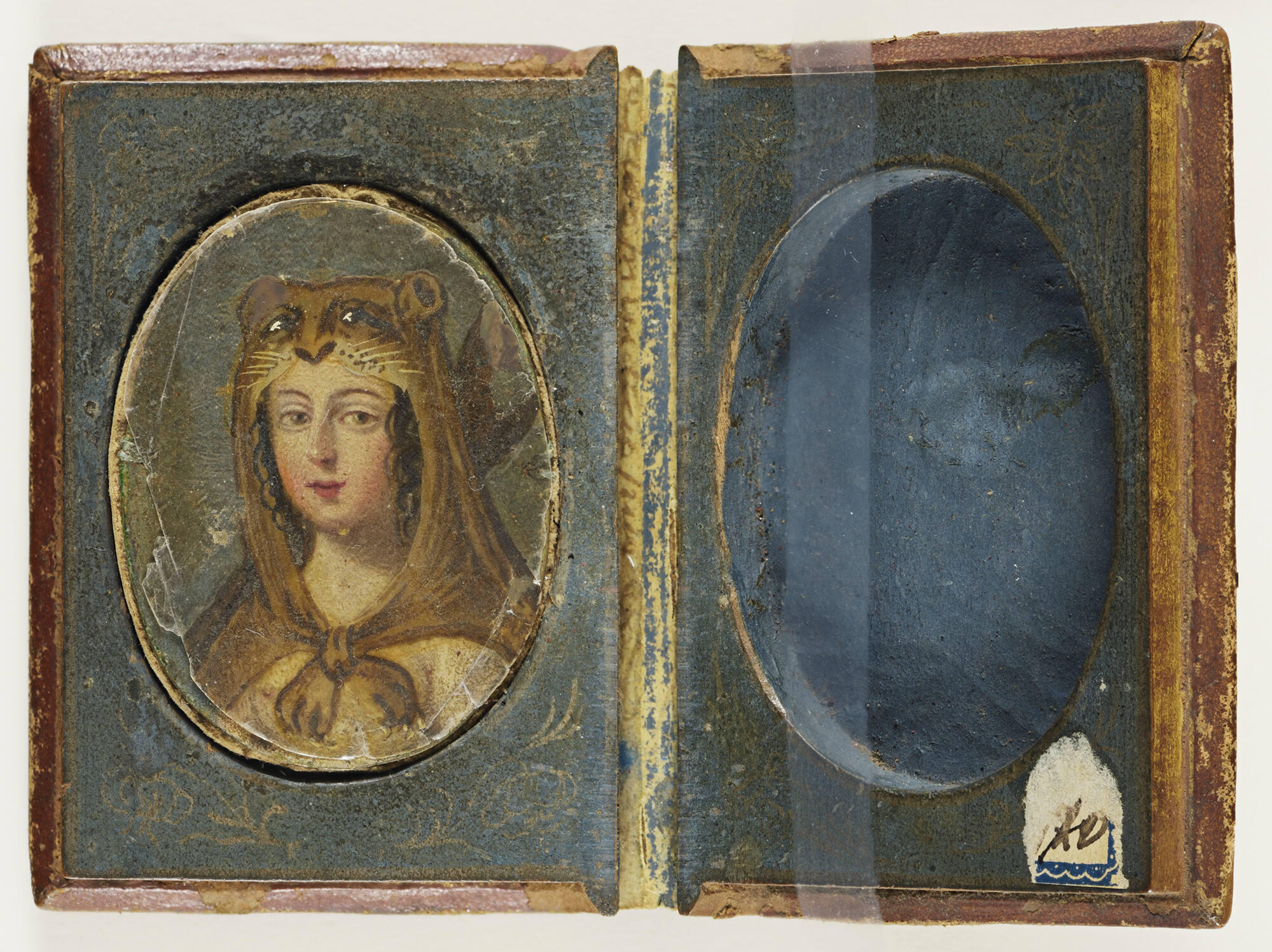
Isabella Stewart Gardner Museum, Boston (U18e124.a-x)
Dutch, Costume Portrait Miniature with a Hercules Costume, 1630–1700. Painted mice overlaid a painted copper portrait, 9.5 x 6 x 1.9 cm (3 3/4 x 2 3/8 x 3/4 in.)
By layering a mica sheet over the portrait, the woman shifts identities in seconds. One moment she wears a Brabantse huik, a type of veil worn in the 1600s, the next she becomes an Eastern European nobleman wrapped in fur, then the mischievous Commedia dell’arte character Pantalone, and even Hermes, the Greek god known for his winged helmet. Each of the 23 sheets reflects a different social world, status, or gender.
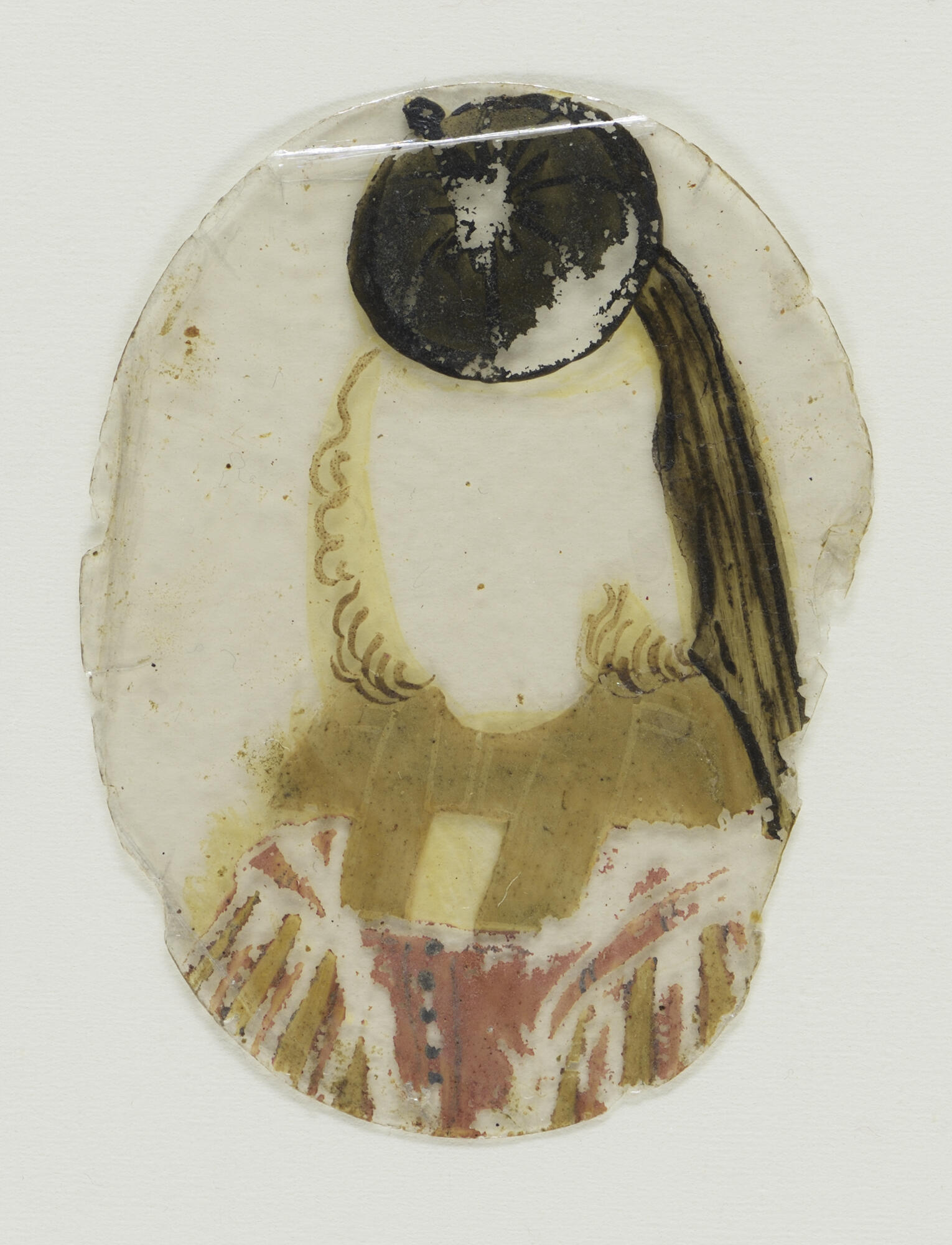
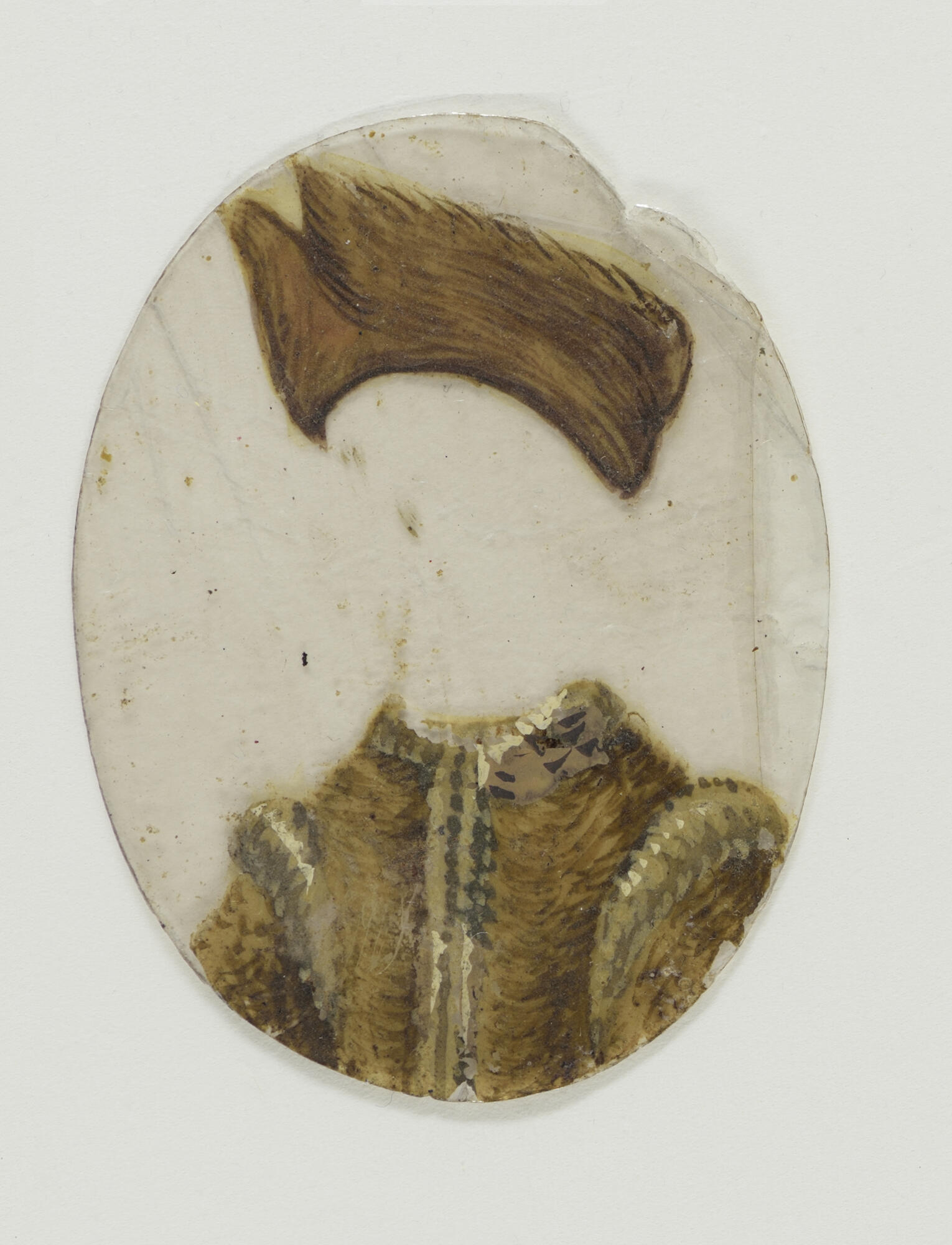
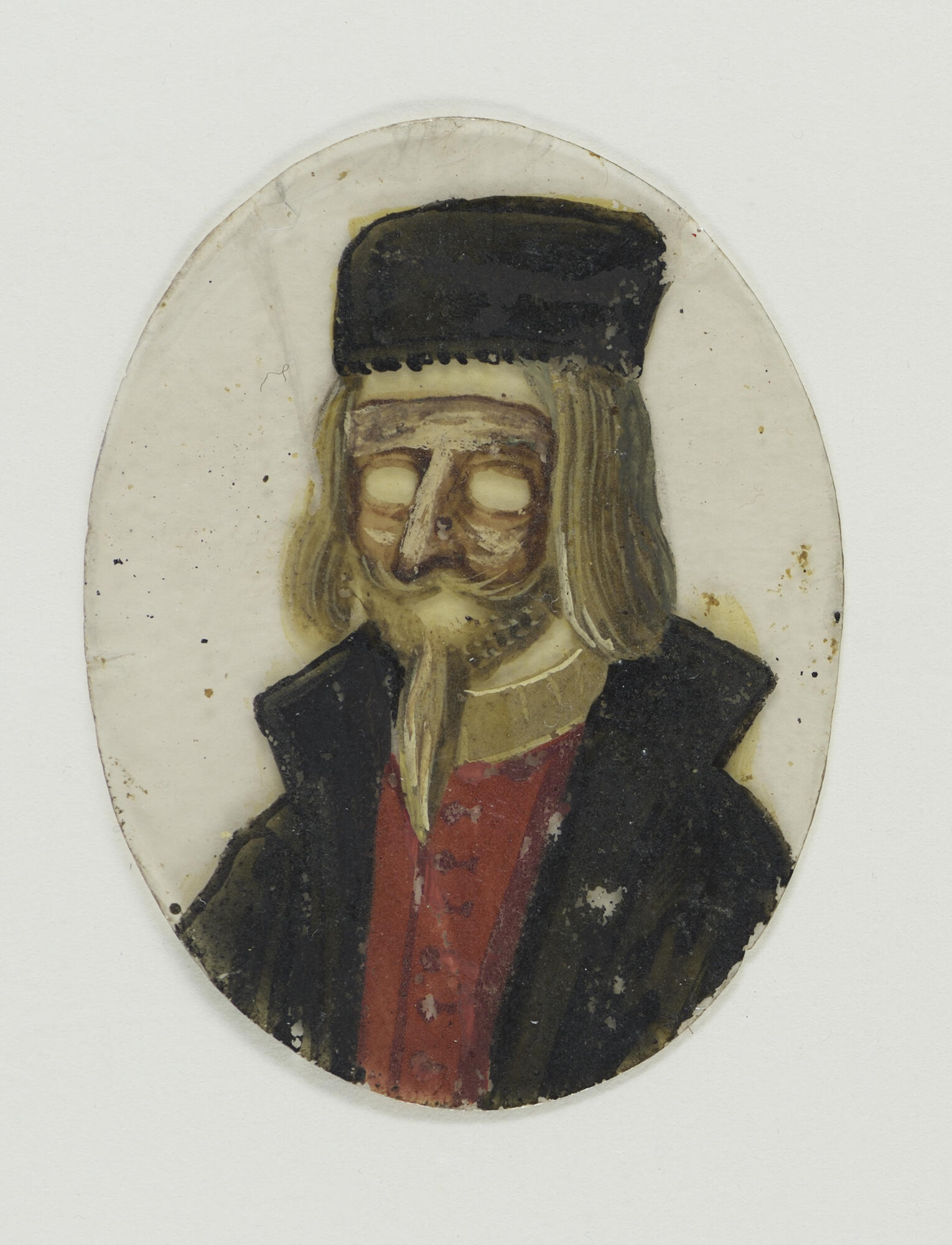
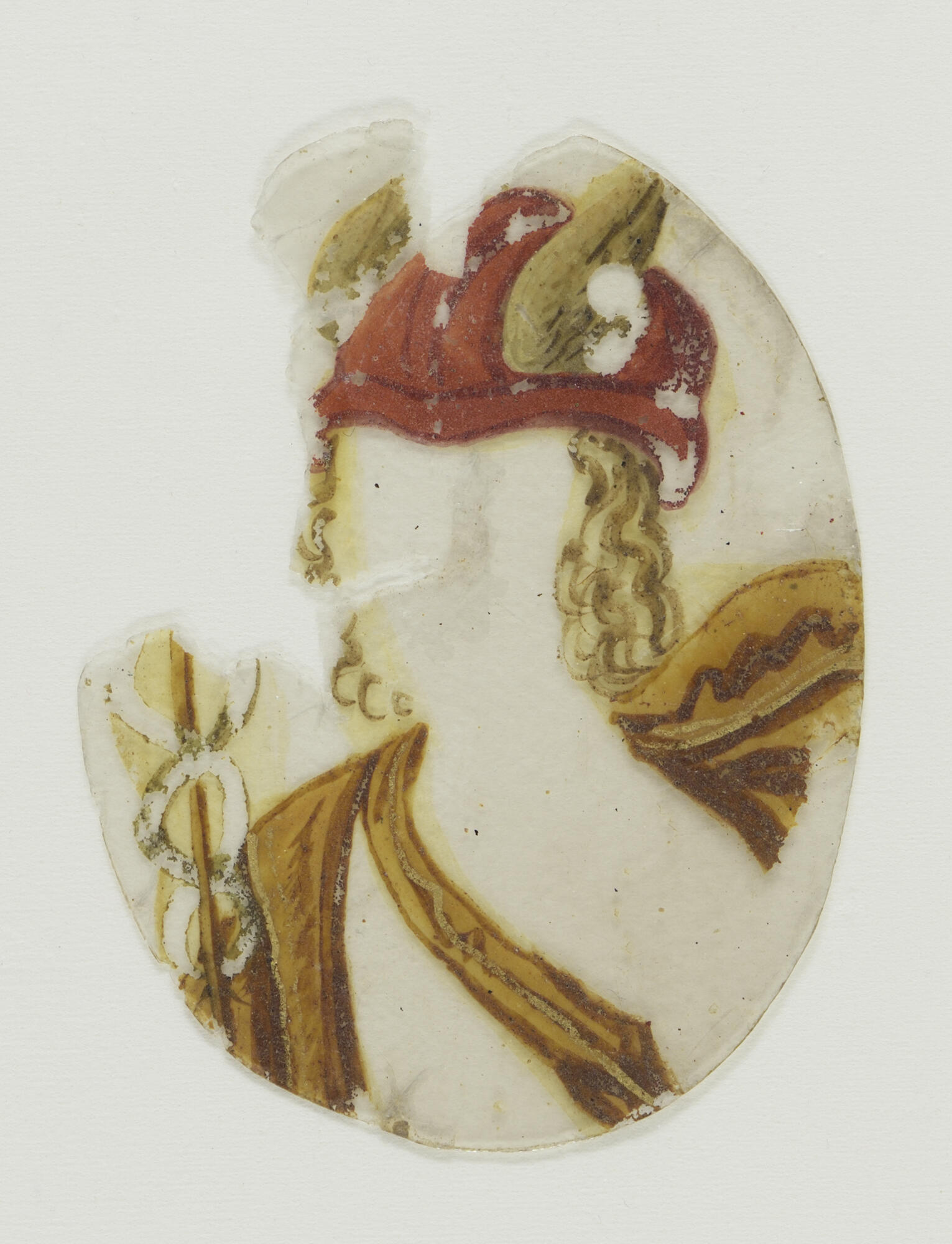
Objects of this kind became popular in northern Europe around the 1630s, and viewers would have recognized the costumes from daily life or the theater. More than a hundred closely related examples survive in collections today, and many of these have similar features, a generalized female figure paired with a set of costumes.
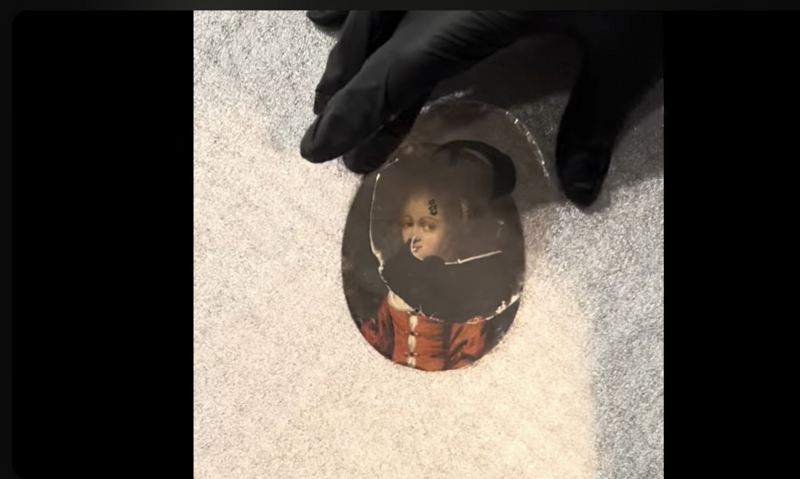
While no makers are known, based on the painting style and costumes most miniatures are associated with the Dutch Republic, which was undergoing remarkable prosperity and change in the 1600s. The nation amassed unprecedented wealth through overseas trade and colonial enterprises, and cities like Amsterdam became a major hub where merchants and goods from around the world came together. It is easy to imagine how encounters with such a wide range of people and clothing styles could have inspired objects like this one. The cultural and material abundance flowing into the Republic during these years is vividly echoed in this miniature: a playful stage on which identities from across Europe, and beyond, could be layered, transformed, and explored.
Unlike the other known examples, Isabella’s miniature stands out in several important ways. The female figure is unclothed, as if presented as a blank canvas onto which the viewer can project new identities by dressing her in different costumes. With 23 surviving overlays, this object preserves more costumes than any other known example of this kind. The book-like cover is also unusual, as comparable objects are typically housed in small leather boxes. Although we do not know who made this particular piece or where and when Isabella acquired it, its distinct features suggest it may have followed a different trajectory than its counterparts.
It might have been purchased during one of Isabella’s many trips to Europe, in which she herself also participated in playful fantastical dress-up. During a trip to Norway in 1867, Isabella was photographed in a bunad, Norwegian folk costume. Bunads have regional stylistic differences, and Isabella is seen wearing a romanticized version of a bunad from Hardanger with some elements from Fana, both towns on Norway’s western coast. In the travel album Isabella compiled from this trip, she devoted two pages to photographs of Norwegians in local dress.
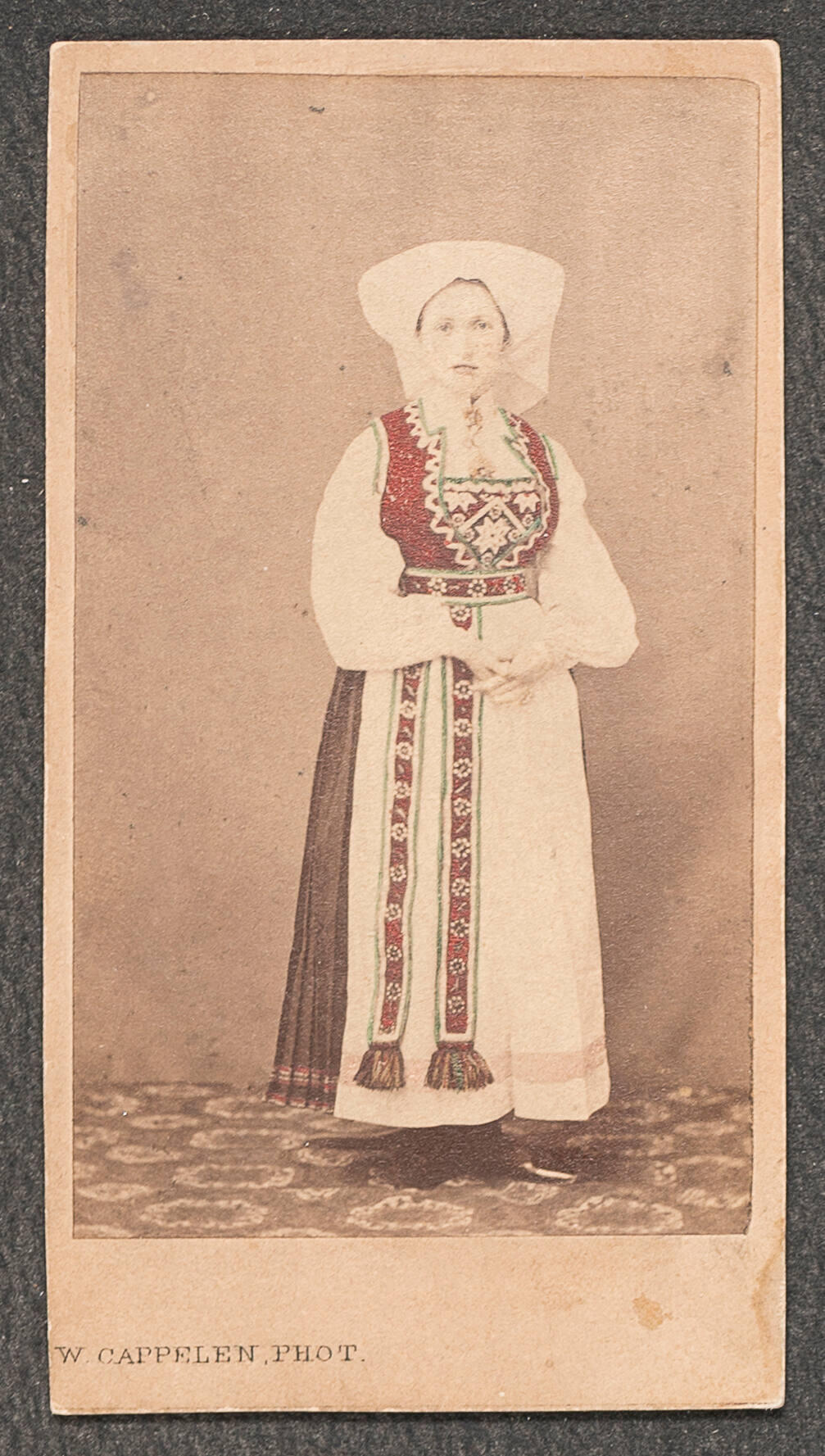
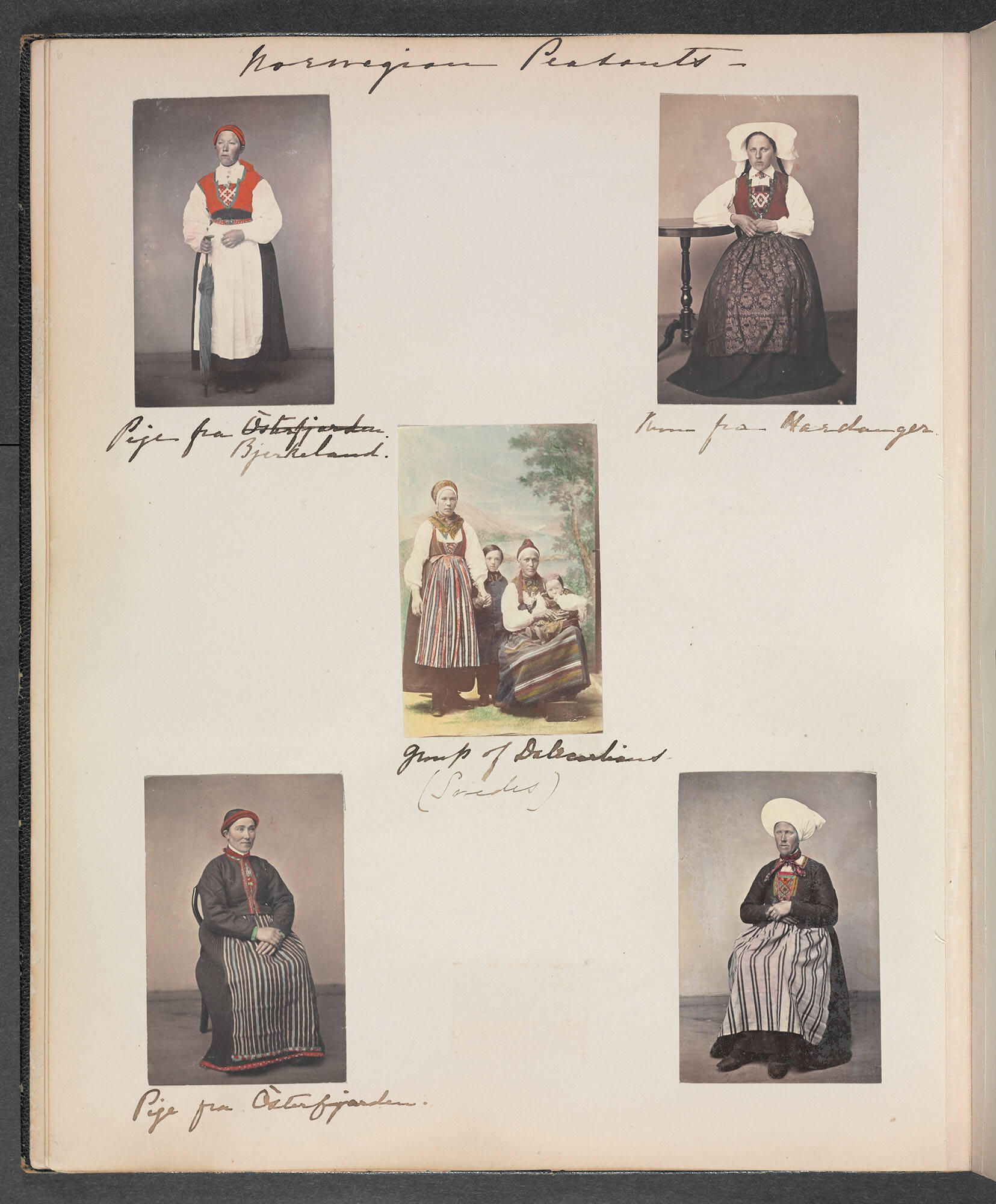
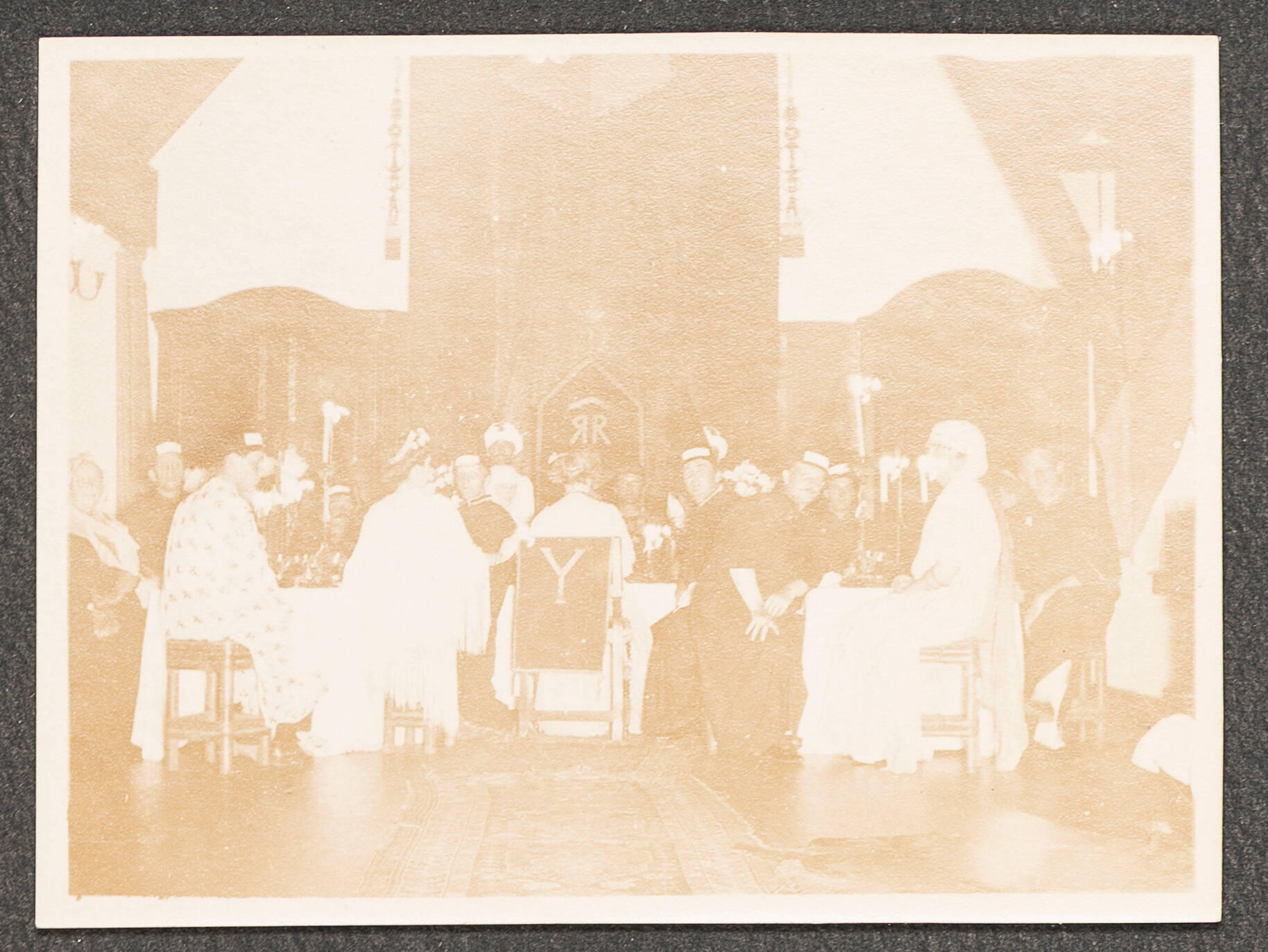
Isabella’s personal love for dress-up and exploring other cultures through costume might help explain how this miniature ended up in her collection. It may have reminded her of “Ysabella,” her royal alter ego. In a photograph at a friend’s costume party, Isabella appears in character as Ysabella seated on a throne draped with purple velvet emblazoned with a gold initial 'Y.' I wonder whether the overlay with the crowned woman depicted with a scepter and peacock might have embodied, or even inspired, Ysabella.
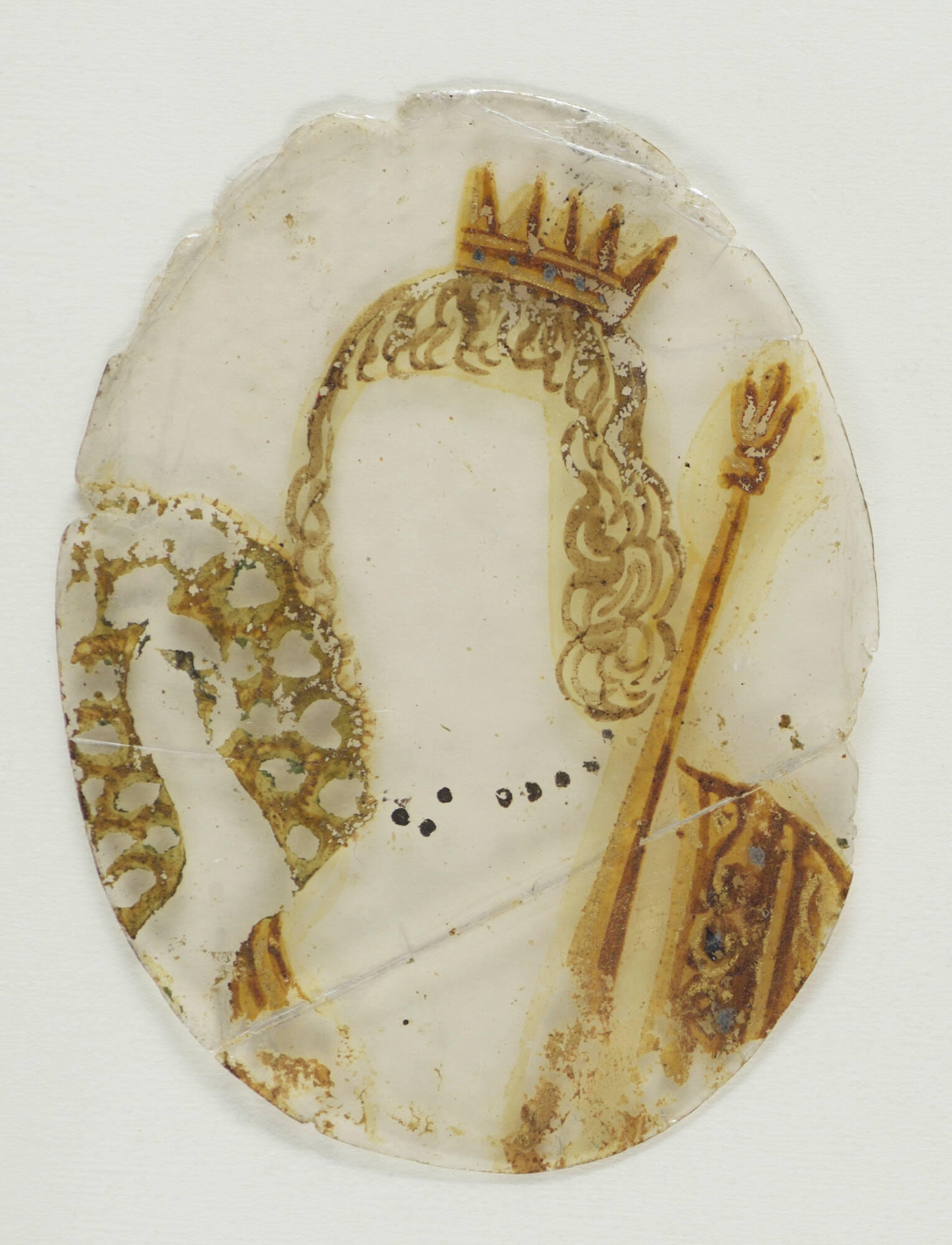
While this object is undeniably fun and playful (who doesn’t love historical dress-up?), it also invites deeper reflection. It encourages us to think about identity, how it can shift, stretch, and be reimagined through clothing, roles, and performance. In this tiny portable portrait, the wearer could explore a whole wardrobe of selves, suggesting that identity has always been a bit more flexible, more creative, and more “make-your-own” than we might expect
You May Also Like

Special Exhibition
Persona: Photography and the Re-imagined Self

Read More on the Blog
Treasure Chest: Isabella's Gilt Vitrine

Read More on the Blog
A. Piatt Andrew, the “A” to Mrs. Gardner's “Y"